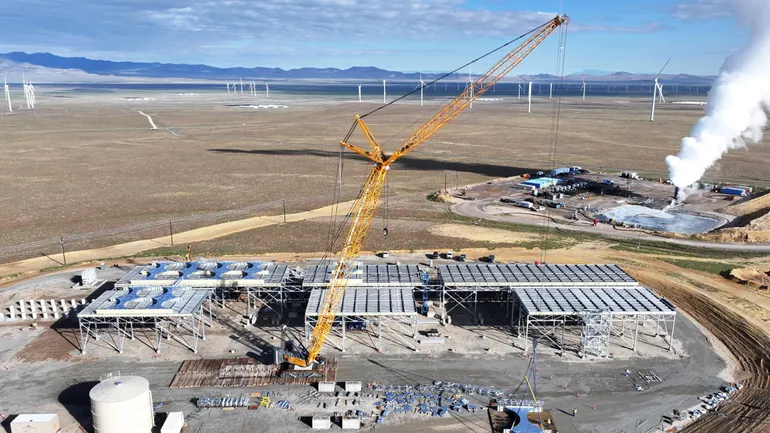
ఉటాహ్లో ఇప్పుడు దీర్ఘకాల భూఉష్ణ పరీక్ష జరుగుతోంది
ఉటాహ్లో జరుగుతున్న నాలుగు నెలల ఫీల్డ్ పరీక్ష, అభివృద్ధి చెందిన భూఉష్ణ శక్తిలో అత్యంత ముఖ్యమైన తెరిచి ఉన్న ప్రశ్నలలో ఒకదాన్ని నిరంతర పరిశీలనలోకి తీసుకువచ్చింది: ఒక enhanced geothermal system కాలక్రమేణా వాణిజ్య విద్యుత్ ఉత్పత్తికి మద్దతు ఇచ్చే విధంగా పనితీరు కొనసాగించగలదా? ఈ నెల ప్రారంభంలో Frontier Observatory for Research in Geothermal Energy, లేదా FORGE వద్ద ప్రారంభమైన ఈ పరీక్ష, చిన్న ప్రయోగాత్మక రన్లకు బదులుగా నిరంతర సర్క్యులేషన్లో ఒక ఇంజినీరింగ్ చేసిన భూఉష్ణ రిజర్వాయర్ ఎలా ప్రవర్తిస్తుందో అంచనా వేయడానికి రూపొందించబడింది.
అదివల్ల ఈ ప్రయత్నం సాధారణ మైలురాయి మాత్రమే కాకుండా మరింత ప్రాముఖ్యతను పొందింది. enhanced geothermal systems, తరచుగా EGS అని సంక్షిప్తీకరించబడతాయి, సహజంగా అనుకూలమైన hydrothermal పరిస్థితులు లేని ప్రదేశాల్లో కూడా భూఉష్ణ విద్యుత్తును అందించగలవు కాబట్టి పెరుగుతున్న దృష్టిని ఆకర్షిస్తున్నాయి. భూమి అడుగున వేడి, నీరు, మరియు పారగమ్యత ఇప్పటికే సరిపోలిన సంప్రదాయ వనరుపై ఆధారపడకుండా, EGS ఉపరితల కింద ఆ పరిస్థితులను ఇంజినీరింగ్ ద్వారా సృష్టించడం లేదా మెరుగుపరచడం లక్ష్యంగా పెట్టుకుంది. ఈ భావన భూఉష్ణ శక్తి భౌగోళిక పరిధిని విస్తరిస్తుంది, కానీ ఈ రిజర్వాయర్లు వాణిజ్య కార్యకలాపాల దిశగా నెట్టబడుతున్నప్పుడు అవి ఎలా పనిచేస్తాయన్న దానిపై అనిశ్చితినీ తెస్తుంది.
FORGE ప్రచారం ఆ అనిశ్చితిలో కొంతను తగ్గించడానికి ఉద్దేశించబడింది. ప్రాజెక్టు నిర్వాహకుల ప్రకారం, కొనసాగుతున్న “extended circulation” పరీక్ష 90 రోజుల పాటు నిరంతర ప్రవాహంలో రిజర్వాయర్ పనితీరును పరిశీలిస్తుంది, మరియు దానిని 120 రోజుల వరకు పొడిగించే అవకాశం ఉంది. ఈ పనిని FORGE నిర్వహిస్తోంది, దీనిని University of Utah నిర్వహిస్తుంది మరియు U.S. Department of Energy నిధులు అందిస్తుంది.
పరిశోధకులు ఏ ప్రశ్నలకు సమాధానాలు వెతుకుతున్నారు
ముఖ్యమైన సాంకేతిక ప్రశ్నలు సారాంశాత్మకమైనవి కావు. కాలక్రమేణా ఎంత వేడి తీయగలమో, నీరు ఇంజినీర్డ్ వ్యవస్థలో ఎలా కదులుతుందో, మరియు కార్యకలాపాలు కొనసాగుతున్నప్పుడు రిజర్వాయర్ ప్రభావాన్ని కోల్పోవడం ప్రారంభిస్తుందో తెలుసుకోవాలనుకుంటున్నారు పరిశోధకులు. FORGE ప్రధాన పరిశోధకురాలు Kristie McLin ఈ పరీక్ష దీర్ఘకాల వాణిజ్య సాధ్యతకు సంబంధించి ఇంకా తగినంతగా అర్థం కాని భిన్నాంశాలను పరిశీలించడానికి ఉద్దేశించబడిందని చెప్పారు, ముఖ్యంగా thermal breakthrough మరియు కాలక్రమేణా water loss పై ఆమె దృష్టి సారించారు.
ఇవి ఏ EGS ప్రాజెక్టుకైనా ప్రధాన ప్రమాదాలు. Thermal breakthrough అంటే ఇంజెక్ట్ చేసిన ద్రవం చాలా త్వరగా ఉత్పత్తి వైపుకు తిరిగి రావడం, తద్వారా భూమి అడుగున అది సేకరించగల వేడి పరిమాణం తగ్గిపోతుంది. Water loss కూడా అంతే కీలకం, ఎందుకంటే సర్క్యులేషన్ను సమర్థవంతంగా కొనసాగించలేని వ్యవస్థ మరింత ఖరీదైనదిగా మారి, పెద్ద స్థాయిలో విస్తరించడం కష్టమవుతుంది. ఈ రెండు సమస్యలు ప్రత్యక్షంగా ప్రాజెక్టు ఆర్థికాలకే సంబంధించినవి, కేవలం శాస్త్రీయ ఆసక్తికే కాదు.
అందుకే దీర్ఘకాల సర్క్యులేషన్ పరీక్ష ముఖ్యమైనది. చిన్న ప్రదర్శనలు ఒక ఇంజినీరింగ్ చేసిన రిజర్వాయర్ పనిచేస్తుందో లేదో చూపగలవు. endurance-శైలి ఆపరేషన్ మాత్రమే అది రోజులు కాకుండా సంవత్సరాల పాటు నిజమైన విద్యుత్ ఆస్తులను మద్దతు ఇవ్వడానికి తగినంత మంచి, స్థిరమైన, మరియు అంచనా వేయగలిగినదిగా ఉందో లేదో వెల్లడించడం ప్రారంభిస్తుంది.
Department of Energy ఆ పరిమితి ప్రాముఖ్యతను హైలైట్ చేస్తూ extended circulation test ను ఒక గణనీయమైన సాధనగా పేర్కొంది, మరియు ప్రపంచవ్యాప్తంగా కొద్దిమాత్రం EGS ప్రాజెక్టులే ఈ దశకు చేరుకున్నాయని తెలిపింది. ఈ framing ఉటాహ్ పనిని, భావన ధృవీకరణ నుండి వాణిజ్యపరంగా సంబంధిత ఆపరేటింగ్ సాక్ష్యం వైపు కదులుతున్న ప్రాజెక్టుల సన్నని గ్లోబల్ సమూహంలో ఉంచుతుంది.
భూఉష్ణ అభివృద్ధికి ఈ క్షణం ఎందుకు ముఖ్యమో
ఈ సమయం గమనార్హం, ఎందుకంటే EGS ఇకపై కేవలం ప్రయోగశాల లేదా pilot-scale కథ మాత్రమే కాదు. అమెరికాలో వాణిజ్య లక్ష్యాలు రూపుదిద్దుకుంటున్నాయి, మరియు పెట్టుబడిదారులు, యుటిలిటీలు, విధాననిర్ణేతలు increasingly తదుపరి తరం భూఉష్ణ శక్తి సాంకేతికంగా ఆకట్టుకునే niche కాకుండా విశ్వసనీయమైన స్వచ్ఛ విద్యుత్ వనరుగా మారగలదని ఆధారాలు కోరుతున్నారు.
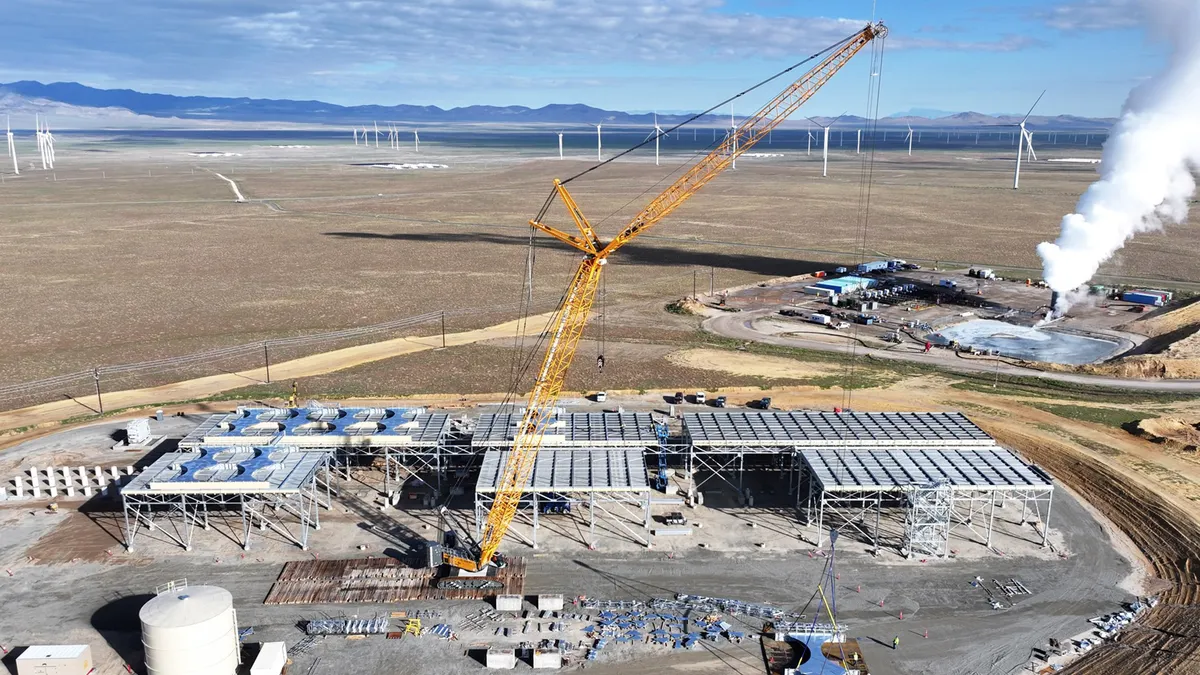
Utility Dive మూల పాఠ్యంలో Beaver County, Utah లోని Fervo Energy యొక్క 500-megawatt Cape Station ప్రాజెక్టును సూచించింది, దీనిని అమెరికాలోని మొదటి commercial-scale EGS ప్రాజెక్టుగా పేర్కొంది మరియు ఈ సంవత్సరం చివర్లో గ్రిడ్కు విద్యుత్ అందించడం ప్రారంభిస్తుందని తెలిపింది. ఆ రాబోయే మైలురాయి భూఉష్ణ శక్తిని దీర్ఘకాల అవకాశమనే స్థితి నుంచి మరింత తక్షణ మౌలిక వసతుల ప్రశ్నగా మార్చింది: తొలి దశ ప్రాజెక్టులు గ్రిడ్కు కనెక్ట్ అవుతున్నప్పుడు, రిజర్వాయర్లు వాణిజ్యపరంగా విశ్వసనీయమైన విధంగా ఉత్పత్తిని కొనసాగించగలవని ఏ ఆధారం ఉంది?
FORGE పరీక్ష ఆ ప్రశ్నకు మాత్రమే సమాధానం ఇవ్వదు, కానీ దాని వెనుక ఉన్న ప్రధాన సాంకేతిక పునాదులలో ఒకటిని అది తాకుతుంది. ఒక ఇంజినీరింగ్ చేసిన ఉపరితల వ్యవస్థ అసహ్యకరమైన నష్టాలు లేకుండా ప్రవాహం మరియు వేడి స్వీకరణను కొనసాగించగలదన్న నమ్మకం అభివృద్ధి కారులకు కావాలి. పనితీరు అంచనాలు విస్తృత కార్యకలాపాలపై ఆధారపడి ఉన్నాయనే ఆధారం ఆర్థికదారులకు కావాలి. భూఉష్ణ శక్తి దాని అత్యంత బలమైన లాభాలలో ఒకటిగా చెప్పబడే దృఢమైన, వాతావరణ-నిరపేక్ష విద్యుత్ ప్రొఫైల్ను అందించగలదా అనే విషయం గ్రిడ్ ప్లానర్లకు తెలుసుకోవాలి.
ఫెడరల్ నిధులతో జరిగిన పరిశోధన నుండి ప్రైవేట్-సెక్టార్ విస్తరణ వరకు
FORGE పాత్ర ఈ రంగానికి ఇంకా ప్రజా పరిశోధనే ఎంతమేరకు పునాది వేస్తోందో చూపిస్తుంది. University of Utah నిర్వహణలో, ఫెడరల్ నిధులతో నడిచే ఈ స్థలం, ప్రైవేట్ ప్రాజెక్టులు మొత్తం ప్రమాదాన్ని భరించే ముందు కఠినమైన సాంకేతిక ప్రశ్నలను అధ్యయనం చేయగల proving ground గా పనిచేస్తుంది. ఇది శక్తి సాంకేతికతలో పరిచితమైన నమూనా: ప్రభుత్వం మద్దతిచ్చిన పరిశోధన సదుపాయాలు ఒక రంగాన్ని అనిశ్చిత ప్రారంభ దశల నుంచి ముందుకు నడిపిస్తాయి, ఆ తర్వాత వాణిజ్య అభివృద్ధి కర్తలు ఆ జ్ఞానాన్ని పెట్టుబడికి అనుకూలమైన ప్రాజెక్టులుగా మారుస్తారు.
ప్రస్తుతం జరుగుతున్న ఈ పరీక్ష మార్కెట్ ఉత్సాహం మరియు అమలు ప్రమాదం మధ్య తేడాను గుర్తించడానికి ప్రయత్నిస్తున్న సమయంలో జరుగుతోంది. మూల పాఠ్యంలో Fervo Energy మే నెలలో పబ్లిక్ అయిందని, దాని స్టాక్ ప్రారంభ గరిష్ఠ స్థాయితో పోల్చితే 56% పడిపోయిందని తెలిపింది. అలాగే, రెండో త్రైమాసిక ఆదాయ చర్చలో 2027కి సంబంధించిన transmission-related curtailment సమస్యలను కంపెనీ వెల్లడించిందని, దాంతో విశ్లేషక నోట్లో 2027 పూర్తి-సంవత్సర ఆదాయ అంచనాను తగ్గించారని కూడా పేర్కొంది. ఇవి నేరుగా రిజర్వాయర్ శాస్త్రానికి సంబంధించినవి కాకపోయినా, వాణిజ్య భూఉష్ణ రంగం పెరుగుతున్న కొద్దీ ఉపరితలానికి క్రింద మరియు మౌలిక వసతుల పరిమితులు రెండింటినీ ఎదుర్కొంటుందనే విషయాన్ని చూపిస్తాయి.
అందుకే endurance testing మరింత ముఖ్యమవుతుంది. అనిశ్చితిని తగ్గించే స్పష్టమైన మార్గం ఉన్నప్పుడు పెట్టుబడిదారులు దాన్ని సహించగలరు. FORGE పని ఆ మార్గంలోని ఒక భాగం. ఇది భూఉష్ణ వాగ్దానాలపై ఉన్న విస్తృత దావాలను, ప్రవాహం, వేడి, నష్టాలు, మరియు స్థిరత్వంపై చిన్న, కొలిచే ప్రశ్నలుగా మారుస్తుంది.
దృఢమైన స్వచ్ఛ-శక్తి పోటీదారుడికి కీలక పరీక్ష
Enhanced geothermal ఆసక్తిని పొందింది, ఎందుకంటే ఇది solar మరియు wind ఎల్లప్పుడూ ఒంటరిగా అందించలేని స్థిరత్వంతో తక్కువ కార్బన్ విద్యుత్తును అందించగలదు. కానీ ఆ వాగ్దానం, దీర్ఘకాలం తమ స్వంత ఆర్థిక వ్యవస్థను దెబ్బతీయకుండా పనిచేయగల ఇంజినీరింగ్ చేసిన రిజర్వాయర్లలో పునరావృత పనితీరుపై ఆధారపడి ఉంటుంది. అందువల్ల ఉటాహ్లోని ఈ సర్క్యులేషన్ ప్రచారం విస్తృత వ్యూహాత్మక ప్రాముఖ్యత కలిగిన ఒక సాంకేతిక stress test.
ప్రాజెక్టు thermal breakthrough, water loss, మరియు continuous-flow behavior గురించి ఉపయోగకరమైన డేటాను ఇస్తే, EGS ఆశాజనక ప్రారంభ deployments నుండి మరింత పరిపక్వ commercial buildout దశకు వెళ్లగలదా అనే దానిని నిర్వచించడంలో సహాయపడుతుంది. ఇది గట్టి బలహీనతలను బయటపెడితే, ఆ సమాచారం కూడా విలువైనదే, ఎందుకంటే ఇంకా ఇంజినీరింగ్ శ్రమ మరియు మూలధనం ఎక్కడ పెట్టాలో స్పష్టత ఇస్తుంది.
ప్రస్తుతం అత్యంత ముఖ్యమైన అభివృద్ధి ఏమిటంటే, ఈ ప్రశ్నలు నెలల పాటు ఫీల్డ్లో పరీక్షించబడుతున్నాయి; కేవలం మోడలింగ్ లేదా చర్చ మాత్రమే కాదు. అధునాతన శక్తిలో endurance అనేది ఆశయం వాస్తవాన్ని కలిసే స్థలం. ఉటాహ్ భూఉష్ణ పరీక్ష, enhanced geothermal systems ఆ మార్పుకు ఎంత దగ్గరగా ఉన్నాయో తెలుసుకోవడానికి రూపొందించబడింది.
ఈ వ్యాసం Utility Dive నివేదికపై ఆధారపడింది. మూల వ్యాసాన్ని చదవండి.
Originally published on utilitydive.com




