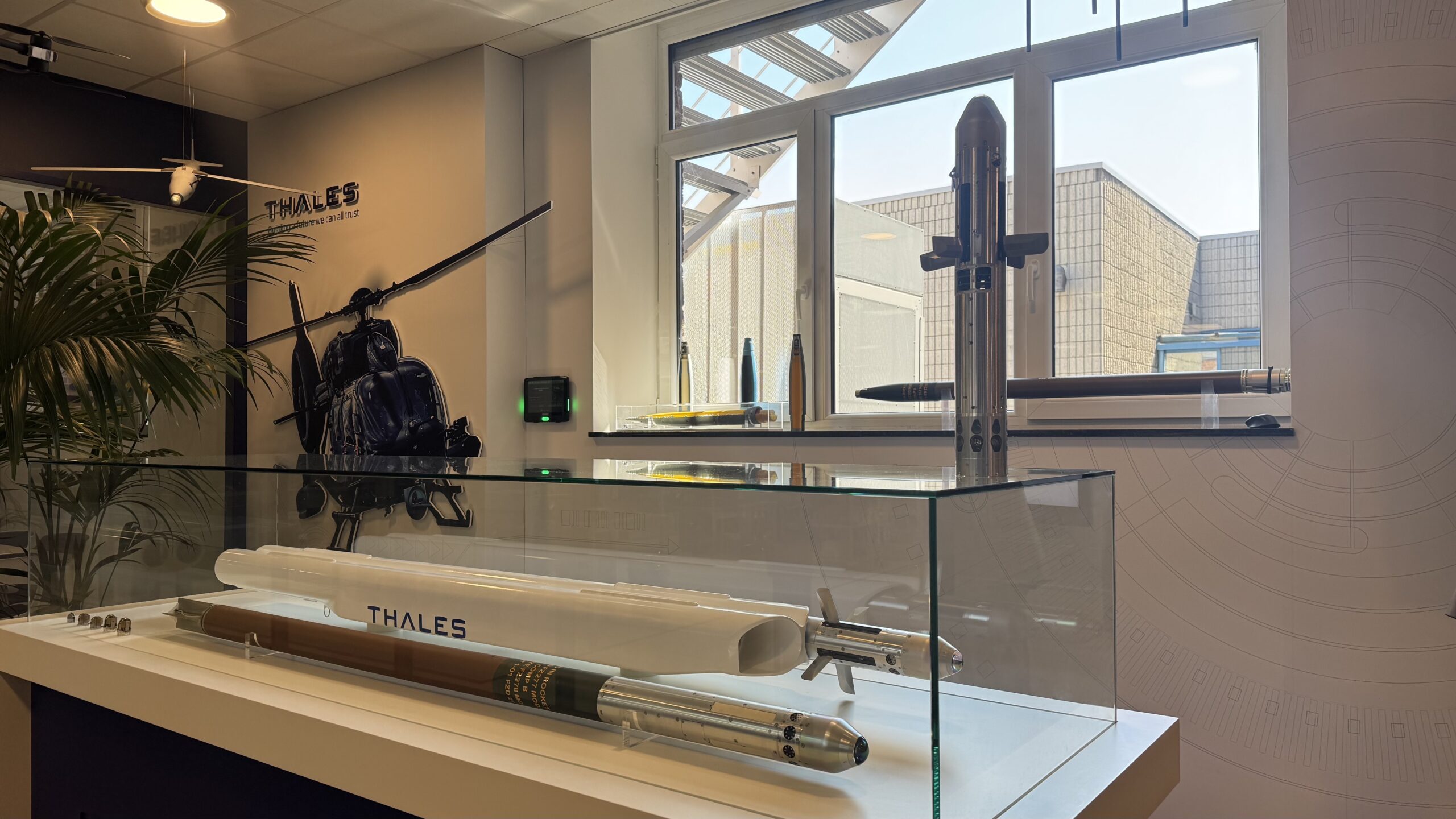
Thales ட்ரோன் அச்சுறுத்தலுக்காக ஒரு வழிநடத்தப்பட்ட ராக்கெட்டை மேம்படுத்தியுள்ளது
Thales தனது 70 மிமீ லேசர்-வழிநடத்தப்பட்ட ராக்கெட்டான LGR275 Proxy-யின் புதிய பதிப்பை அதிகாரப்பூர்வமாக அறிமுகப்படுத்தியுள்ளது; இதில் குறிப்பாக எதிர்-ட்ரோன் பணிகளுக்காக வடிவமைக்கப்பட்ட LiDAR அருகாமை சென்சர் சேர்க்கப்பட்டுள்ளது. இந்த அமைப்பு பாரிசில் நடைபெற்ற Eurosatory கண்காட்சியில் பொதுமக்களுக்கு வெளிப்படுத்தப்பட்டது, ஆனால் இச் சென்சர் ஐரோப்பாவிலும் மத்திய கிழக்கிலும் நடைபெற்று வரும் மோதல்களில் இருந்து கிடைத்த பாடங்களுக்கு பதிலாக உருவாக்கப்பட்டதாக நிறுவன அதிகாரிகள் தெரிவித்தனர்.
இந்த மாற்றம் நவீன வான்பாதுகாப்பில் உள்ள ஒரு பரந்த போக்கை பிரதிபலிக்கிறது: பாரம்பரிய இலக்குகளை மையமாகக் கொண்டு உருவாக்கப்பட்ட ஆயுதங்கள், சிறிய, வேகமான மற்றும் அதிக எண்ணிக்கையிலான மனிதரில்லா வானியல் அமைப்புகளை சமாளிக்கும் கடினமான சவாலுக்காக மாற்றப்படுகின்றன. அந்த சூழலில், அருகாமை உணர்தல் நேரடி தாக்கத் துல்லியத்துக்கு இணையான முக்கியத்துவம் பெற முடியும்.
ராக்கெட்டில் என்ன மாற்றம் செய்யப்பட்டது
பழைய பதிப்புகளைப் போலவே, புதுப்பிக்கப்பட்ட ராக்கெட் இன்னும் வழிநடத்தலுக்காக லேசர் டிசைனேஷனை பயன்படுத்துகிறது. புதிய அம்சம் வழிகாட்டி கிட் பின்னால் பொருத்தப்பட்டுள்ள சென்சர் ஆகும். Thales அதிகாரிகளின்படி, ராக்கெட் இலக்கிற்கு நெருங்கும் போது LiDAR அலகு செயல்பட்டு, தூரத்தை அளவிட லேசர் துடிப்புகளைப் பயன்படுத்துகிறது.
இது முக்கியமானது, ஏனெனில் ட்ரோன்களை துல்லியமாகத் தாக்குவது கடினமாக இருக்கலாம்; குறிப்பாக நேரடி மோதலை மட்டும் நம்புவதற்குப் பதிலாக இலக்குக்கு அருகிலான விளைவு நடைமுறையில் அதிக பயனுள்ளதாக இருக்கும் சூழ்நிலைகளில். இந்த சேர்க்கை அந்த அமைப்பை பொதுப்பயன் வழிநடத்தப்பட்ட ராக்கெட்டாக விடாமல், ஒரு பிரத்யேக counter-UAS மாற்றமாக effectively மாற்றுகிறது.
மேம்பாடு ஏன் விரைவுபடுத்தப்பட்டது என Thales கூறுகிறது
இரண்டு ஆண்டுகளுக்கு முன்பு இந்தத் தேவை விவாதத்தில்கூட இல்லை என்பதால், இந்த அம்சம் வேகமாக உருவாக்கப்பட்டது என்று நிறுவத்தின் அதிகாரிகள் Breaking Defenseக்கு தெரிவித்தனர். Thales Belgium மற்றும் Luxembourg நாட்டுத் தலைவரான Alain Quevrin, நிறுவனம் தற்போதைய பயன்பாட்டில் உள்ள பலவீனங்களை கண்டறிந்து, அதற்கேற்ப மேம்பாட்டை விரைவுபடுத்தியதாக கூறினார்.
அவர் மழை உள்ளிட்ட லேசர் டிசைனேஷனின் வானிலை சார்ந்த வரம்புகளையும் சுட்டிக்காட்டி, புதிய சென்சரை வளர்ச்சியடைந்து வரும் தொழில்நுட்ப முன்னேற்றத்தின் ஒரு பகுதியாக விவரித்தார். இதன் பொருள், ராக்கெட் தனது தற்போதைய வழிநடத்தல் முறையை கைவிடுகிறது என்பதல்ல; மாறாக, இப்போது செயல்பாட்டாளர்கள் எதிர்கொள்ளும் உண்மை நிலைகளில் அமைப்பு மேலும் பயனுள்ளதாக இருக்க Thales முயல்கிறது என்பதாகும்.
அடுக்கடுக்கான பாதுகாப்பு அணுகுமுறையின் ஒரு பகுதி
LGR275 Proxy, SkyDefender எனப்படும் Thales-இன் பரந்த அடுக்கடுக்கான வான்பாதுகாப்பு வழங்கலுக்குள் இடம் பெறுவதற்காக வடிவமைக்கப்பட்டுள்ளது. அந்த இடமமைப்பு முக்கியமானது. எதிர்-ட்ரோன் பாதுகாப்பு, ஒரே ஒரு ஆயுதத்தை நம்புவதற்குப் பதிலாக, தூரங்கள், செலவுகள் மற்றும் இலக்கு வகைகள் முழுவதும் சென்சர்களையும் இடைமறிப்பிகளையும் இணைப்பதையே அதிகமாக சார்ந்துள்ளது.
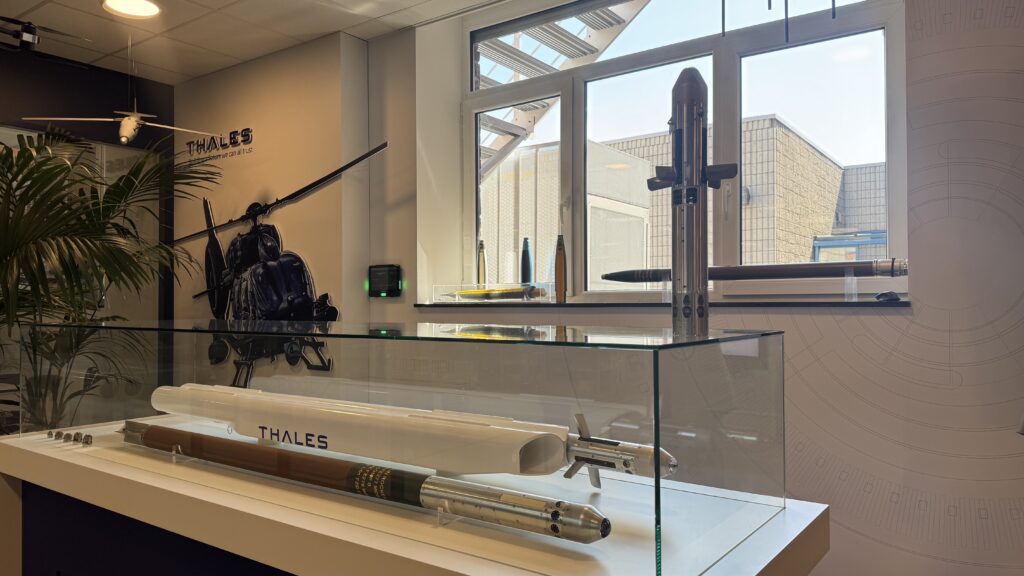
70 மிமீ வழிநடத்தப்பட்ட ராக்கெட் அந்த கட்டமைப்பில் ஒரு குறிப்பிட்ட இடத்தை வகிக்கிறது: இது ஒப்பிடும்போது சுருக்கமான, குறிப்பிட்ட தேவைக்காக ஏற்றவாறு வடிவமைக்கப்பட்ட விருப்பத்தை வழங்குகிறது; செலவு, எதிர்வினை வேகம் மற்றும் கையிருப்பு கிடைப்புத்தன்மை முக்கியமான இடங்களில் இது ஈர்க்கக்கூடியதாக இருக்கலாம். Thales இந்த மேம்படுத்தப்பட்ட ராக்கெட்டை நீண்டகாலக் கருத்தாக்கமாக அல்ல, உடனடி தேவைக்கான நடைமுறைத் தீர்வாகத் தெளிவாக நிலைப்படுத்துகிறது.
உற்பத்தியும் அதிகரிக்கப்படுகிறது
நிறுவனம் வடிவமைப்பை மட்டும் மாற்றவில்லை. உற்பத்தியை விரிவுபடுத்தவும் முயல்கிறது. Thales Belgium அதிகாரிகள், 2028க்குள் ஆண்டுக்கு 20,000 வழிநடத்தப்பட்ட ராக்கெட்டுகளை தயாரிக்க எதிர்பார்ப்பதாகவும், இது சராசரியாக நாளுக்கு 100க்கு அருகில் இருக்கும் என்றும் தெரிவித்தனர். இந்த உயர்வை தற்போதைய மோதல் இயக்கங்களுடன், குறிப்பாக மத்திய கிழக்கில் உள்ள நிலைமைகளுடன், அதிகாரிகள் இணைத்தனர்; மேலும் சில மாதங்களுக்கு முன்பு விவாதிக்கப்பட்ட எண்ணிக்கைகளுடன் ஒப்பிடும்போது உற்பத்தி திட்டமிடல் இரட்டிப்புக்கும் அதிகமாகிவிட்டதாக கூறினர்.
இந்த உற்பத்தி முயற்சி தனக்கே முக்கியமான தகவலை அளிக்கிறது. வரையறுக்கப்பட்ட தொகுதி உற்பத்தியிலிருந்து நீண்டகால, அதிக அளவு தேவைக்கான தயார்நிலைக்கு பாதுகாப்பு நிறுவனங்கள் எவ்வளவு வேகமாக நகர வேண்டியுள்ளது என்பதை இது காட்டுகிறது. Thales Belgium நிர்வாக இயக்குநர் Thomas Colinet, நிறுவனம் மத்திய கிழக்கை பெருமளவில் தயாரிக்கப்பட்ட, செலவுச்செலுத்தக்க தீர்வுகளுடன் ஆதரிக்கத் தயாராகி வருவதாகவும், ஆர்டர்கள் வரும் போது கையிருப்பு தயாராக இருக்க “make to stock” நிலைப்பாட்டிற்கு நகர்வதாகவும் கூறினார்.
இந்த அறிவிப்பு ஏன் முக்கியம்
புதிய ராக்கெட் முக்கியமானது அது முற்றிலும் புதிய ஆயுத வகையை அறிமுகப்படுத்துவதால் அல்ல; மாறாக, நிலைபெற்ற குண்டுகள் ட்ரோன் யுகத்தால் எவ்வாறு மறுவடிவமைக்கப்படுகின்றன என்பதை அது காட்டுகிறது. சிறிய வான்வழி அச்சுறுத்தல்கள் பல மரபு வான்பாதுகாப்பு அமைப்புகளில் உள்ள இடைவெளிகளை வெளிப்படுத்தியுள்ளன; இதனால் வழங்குநர்கள் வேகம், மலிவு மற்றும் தாக்க வாய்ப்பை மேம்படுத்த போதிய உணர்வு நுண்ணறிவை ஒன்றிணைக்க வேண்டிய கட்டாயம் ஏற்பட்டுள்ளது.
அருகாமை-மைய LiDAR திறனைச் சேர்ப்பது அந்த செயல்பாட்டு அழுத்தத்துக்கான நேரடி பதிலாகும். இது விரைவாக வழங்கப்பட்டு, ஏற்கனவே உள்ள தயாரிப்பு குடும்பங்களில் ஒருங்கிணைக்கக்கூடிய மாற்றங்களுக்கு சந்தை அதிகமாக மதிப்பு அளிக்கிறது என்பதைக் குறிக்கிறது.
வேகமாக நகரும் துறை
counter-UAS துறை மிக வேகமாக வளர்ந்து வருகிறது, மேலும் Thales-இன் இந்தப் புதுப்பிப்பு அந்த வேகத்துடன் பொருந்துகிறது. செயல்பாட்டாளர்கள் இப்போது கிடைக்கக்கூடிய அமைப்புகளை விரும்புகிறார்கள், பல ஆண்டுகள் கழித்து கிடைக்க வேண்டியவற்றை அல்ல; மேலும் உற்பத்தியாளர்கள் தொழில்நுட்ப பதிலளிக்கும் திறனையும் உற்பத்தி அளவையும் அதிகரிக்க அழுத்தத்தில் உள்ளனர். எனவே LGR275 Proxy-யின் புதிய சென்சர், பெரிய தொழில்துறை மாற்றத்தின் ஒரு பகுதியாகவே புரிந்துகொள்ளப்பட வேண்டும்: ட்ரோன்கள், பெருமளவு மற்றும் அவசரம் ஆகியவற்றால் வரையறுக்கப்பட்ட அச்சுறுத்தல் சூழலுக்கு தற்போதைய ஆயுதங்களை மாற்றியமைத்தல்.
இந்த கட்டுரை Breaking Defense செய்தி அறிக்கையை அடிப்படையாகக் கொண்டது. மூல கட்டுரையைப் படிக்கவும்.
Originally published on breakingdefense.com