Twelve grains, a distant-water clue
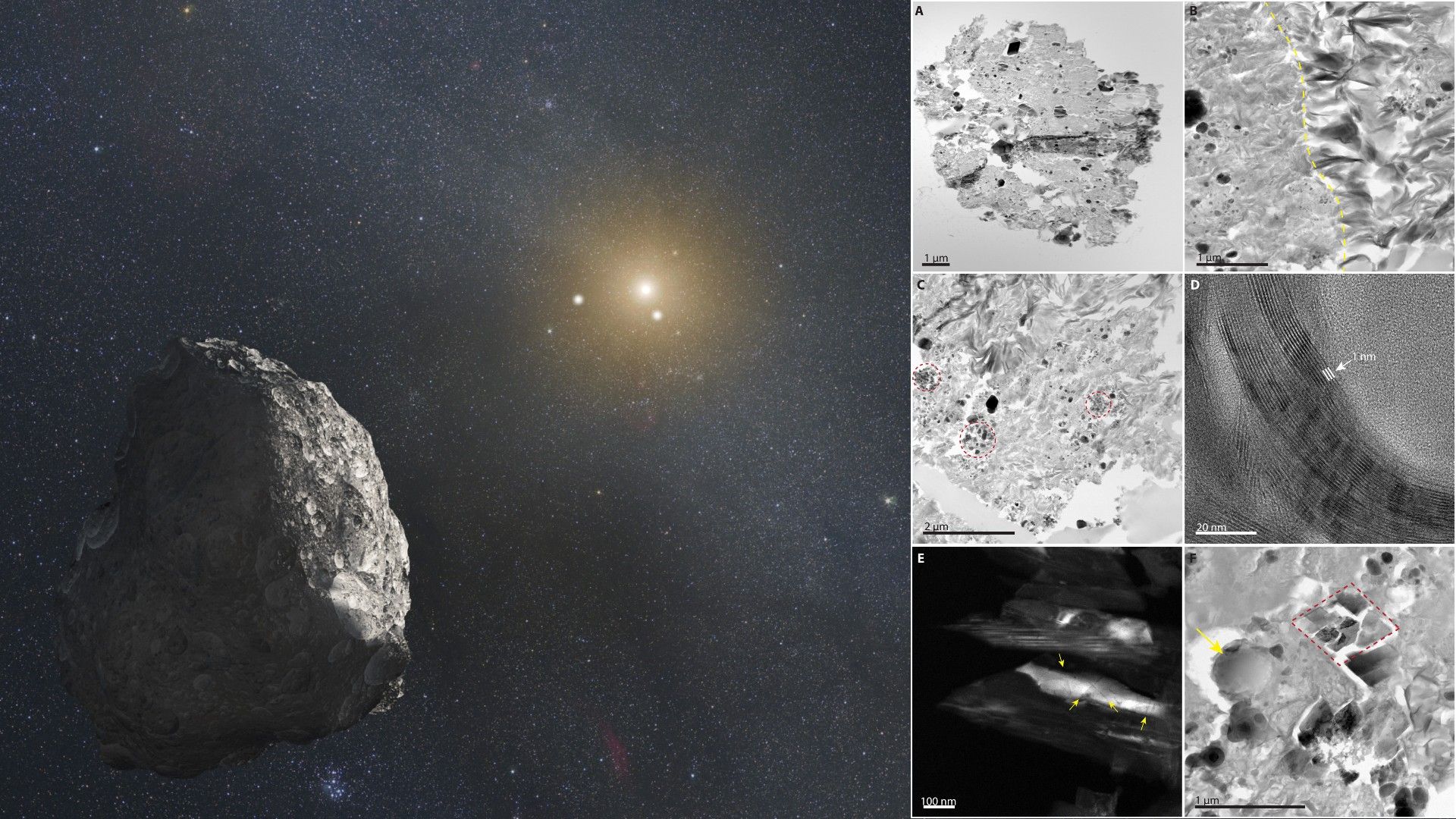
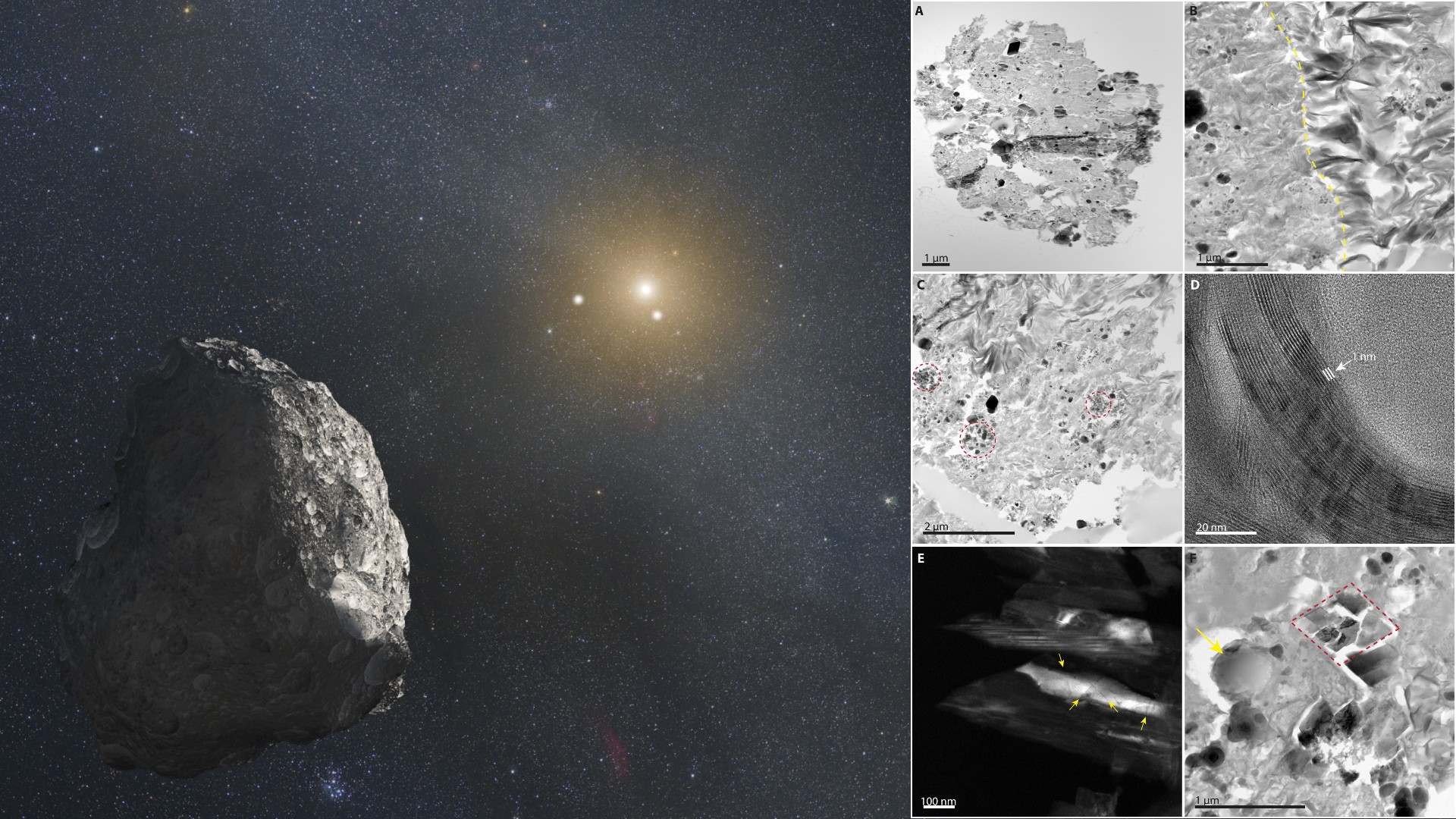
A small collection of dust particles recovered high above Earth may offer a new window into the chemistry of the outer solar system. Scientists analyzed 12 grains captured in the stratosphere by NASA’s ER-2 research aircraft and found mineralogical evidence that the particles interacted with water enriched in heavy oxygen isotopes.
The finding matters because the grains are described as having arrived from the distant Kuiper Belt, the region beyond Neptune that contains icy bodies and other remnants from the solar system’s early history. Although the sample is tiny, its composition preserves information about where water-bearing material existed and how it may have changed before becoming part of the outer solar system’s small bodies.
For planetary scientists, water is more than a familiar chemical compound. Its isotopic makeup can act as a record of origin and processing. Differences in the number of neutrons carried by atoms of the same element can survive in materials long after the environments that created them have changed. That makes isotope measurements a useful tool for reconstructing the distribution of matter during the formation of planets roughly 4.5 billion years ago.
What makes this water “heavy”
Water is made from hydrogen and oxygen, but both elements come in multiple isotopic forms. The usual oxygen isotope, oxygen-16, has eight protons and eight neutrons. Oxygen-17 and oxygen-18 contain the same number of protons but additional neutrons. Water that incorporates these heavier oxygen isotopes has a different isotopic signature from water dominated by oxygen-16.
The article distinguishes this phenomenon from the more commonly discussed form of heavy water involving deuterium, a heavy isotope of hydrogen. In this case, the significance lies in oxygen isotopes. The grains’ mineralogy indicates alteration by water containing heavy oxygen isotopes, suggesting that such water was present in the material from which the particles originated.
That observation does not by itself provide a complete map of the outer solar system’s water. It does, however, point to a potentially important reservoir of isotopically heavy water in the solar system’s far reaches. Establishing whether that reservoir was widespread, where it formed, and how long it persisted could refine models of planetary growth.

Why dust can inform planet-formation models
Planet formation depended on the movement and mixing of gas, ice, rock and dust in the young solar system. The location of water-bearing materials is especially important because water can influence the chemistry and physical growth of planetary building blocks. If outer solar system material retained a distinctive heavy-oxygen signature, scientists can use it to test ideas about how matter was transported or separated as the planets emerged.
The Kuiper Belt is particularly useful for this work because it lies far from the Sun and contains objects that can preserve ancient material. Dust from that region provides a rare, accessible sample of material associated with the solar system’s distant outskirts. Instead of requiring a mission to retrieve a sample directly from a Kuiper Belt object, researchers were able to study particles collected from Earth’s stratosphere.

The samples were examined with microscopy that revealed features of their mineralogy. Those features are central to the conclusion: they show alteration associated with water carrying heavier oxygen isotopes. The result connects microscopic structures within individual grains to a much larger question about the early distribution of water across the solar system.
A small sample with a large research agenda
Twelve particles cannot settle every question about the source, scale or history of heavy water beyond Neptune. The result instead creates a focused set of questions for future measurements. Researchers can look for comparable isotopic signals in additional dust grains, compare them with materials from other solar system environments, and assess how the signatures fit into models of early planetary assembly.
The value of the work is its ability to link a difficult-to-reach region with laboratory evidence collected near Earth. The dust grains are small enough to be carried through the stratosphere, yet their mineral records may retain traces of water chemistry from the solar system’s outskirts.
As scientists seek to understand how planets formed, the key issue is not only whether water existed, but where distinct kinds of water were stored and how they moved. These 12 grains suggest that water enriched in heavy oxygen isotopes may have been an important part of that story at the edge of the solar system.
This article is based on reporting by Space.com. Read the original article.

Originally published on space.com