A rechargeable power system built for the realities of the lunar surface
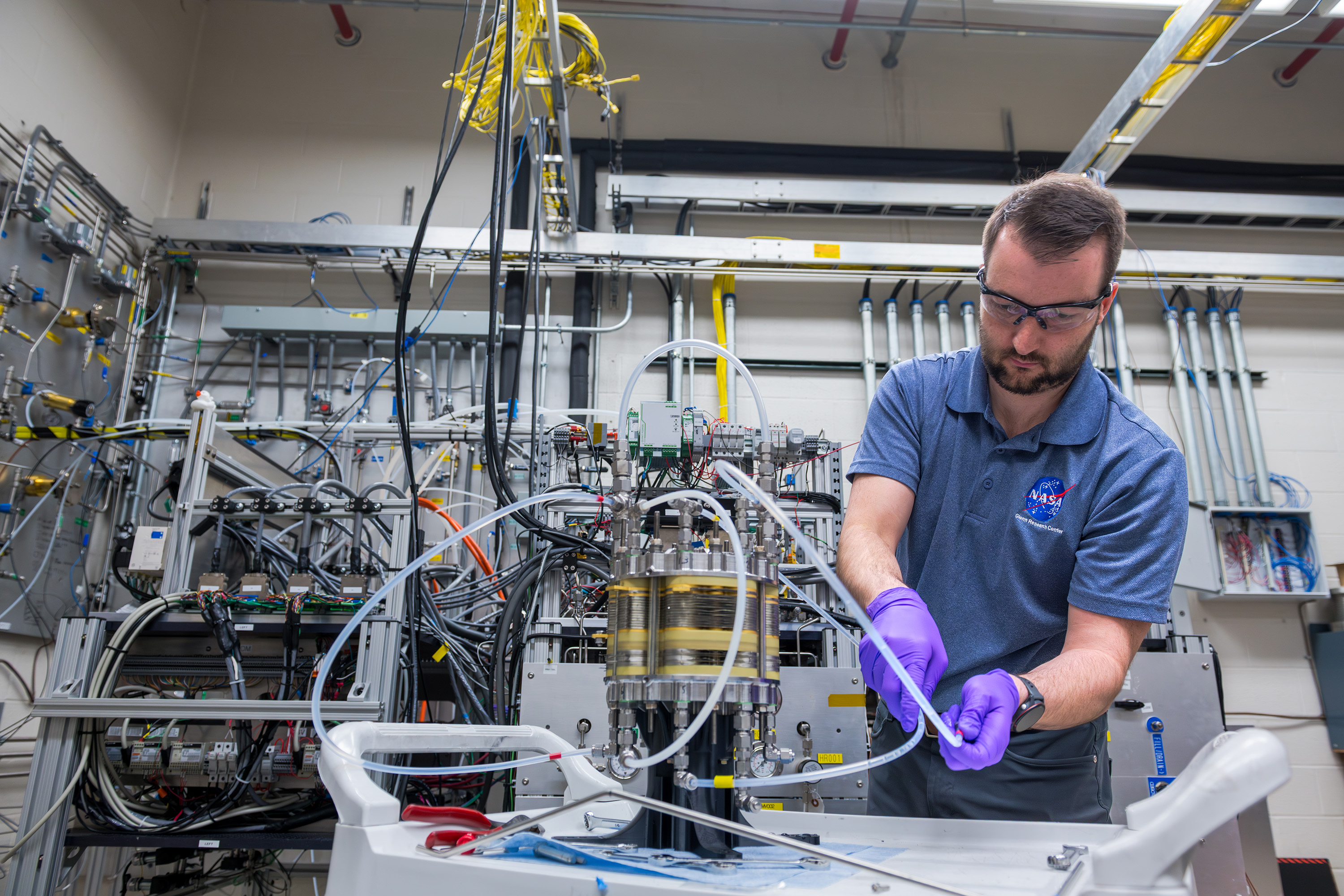
NASA is moving into a new round of testing for a regenerative fuel cell system that could become a key part of how future Moon missions store and deliver power. Engineers at NASA’s Glenn Research Center in Cleveland are preparing to operate the full system in a major milestone test campaign, evaluating technology that is designed to work like a rechargeable battery while using hydrogen, oxygen, and water as part of a closed cycle.
The concept is straightforward in principle but strategically important. When power is needed, the system combines hydrogen and oxygen to produce water, heat, and electricity. When it is time to recharge, it splits the water back into hydrogen and oxygen. NASA sees that loop as a potentially strong fit for the Artemis program, which aims to support a longer-term human presence on the Moon.
The appeal is especially clear on the lunar surface, where power is not just a convenience but a survival requirement. Habitats, rovers, and surface systems will need reliable energy storage that can keep working through extreme conditions, including the cold and the darkness of the Moon’s roughly two-week-long nights.
Why NASA is interested in this approach
According to NASA, the regenerative fuel cell system can weigh less while storing the same amount of energy as comparable battery systems. That is a meaningful advantage for space missions, where mass directly affects launch cost, mission design, and operational flexibility.
The system’s recharge capability also adds another benefit: it could help astronauts use local power resources more efficiently without constantly needing replacement supplies from Earth. For lunar operations, where resupply is expensive and logistically complex, technologies that stretch what is already on hand can have outsized value.
NASA engineer Kerrigan Cain described regenerative fuel cells as an ideal technology for habitats, exploration with rovers, and other systems envisioned under Artemis. That framing places the technology not as a niche experiment, but as a candidate building block for broader surface infrastructure.

What makes this test campaign important
The current work is the product of more than five years of development. NASA Glenn designed and assembled the system and completed initial testing in 2025 to understand its basic operation and make modifications. The next phase goes further by operating the complete system and, for the first time, storing the hydrogen and oxygen generated during recharge.
That matters because integrated system behavior often reveals challenges that component-level tests do not. Thermal management, gas handling, system efficiency, reliability, and control behavior all become more meaningful once a full power-storage loop is operating as intended. NASA says the setup contains nearly 270 sensors and about 1,000 components, underscoring the complexity of the system under test.
The hardware itself is substantial, roughly as long as a sedan and about as tall as a person. In the lab, it is far from a flight-ready package. But the point of this phase is to gather performance data, identify engineering tradeoffs, and improve confidence in whether the concept can support future mission requirements.
Why lunar nights are such a hard problem
The Moon’s environment creates a particularly difficult power challenge. Solar energy may be plentiful during daylight, but surviving the long night requires storage systems capable of delivering power for extended periods in harsh thermal conditions. Conventional batteries can do some of that work, but mass and endurance become critical constraints.
That is where regenerative fuel cells could be useful. If they can store large amounts of energy with less mass than comparable battery systems, they may offer a better fit for missions that need continuous operation through long darkness. The technology could also support mission architectures in which energy generation and storage are treated as an integrated surface utility rather than a collection of isolated devices.
NASA’s interest in the system also highlights a broader truth about lunar exploration: building a sustained presence is as much an energy challenge as a transportation challenge. Launch vehicles and landers can deliver people and hardware, but long-duration operations depend on dependable surface power.
A stepping stone for Artemis and beyond
NASA explicitly links the work to both Moon and Mars missions, though the immediate relevance is lunar. Artemis is pushing the agency and its partners toward technologies that can support longer stays, more capable equipment, and more routine operations away from Earth. Reliable energy storage is central to that transition.
The regenerative fuel cell effort therefore sits at the intersection of exploration hardware and infrastructure planning. It is not about a single dramatic landing or mission event. It is about whether NASA can build systems that keep crews and machines working day after day in places where every kilogram and every watt matter.
That makes this test campaign easy to overlook but strategically significant. If the system performs well, NASA would have a stronger case for a power technology that could lighten energy storage, increase recharge flexibility, and support sustained activity on the lunar surface. For Artemis, that would mean progress toward something more durable than short visits: the foundations of an operational foothold.
This article is based on reporting by NASA. Read the original article.
Originally published on nasa.gov