Artemis II sets a new distance mark for human spaceflight
NASA said the four astronauts aboard Artemis II passed the previous record for the farthest distance humans have traveled from Earth on April 6, 2026, six days into the mission. According to the agency, the crew reached 248,655 miles from Earth at 12:56 p.m. CDT, surpassing the benchmark set by Apollo 13 in 1970.
The milestone is more than a symbolic number. Artemis II is the first crewed mission in NASA’s Artemis program, and the agency is using it as a high-profile test flight around the Moon before future attempts to return astronauts to the lunar surface. NASA said Orion will travel about 252,756 miles from Earth at its farthest point before beginning the trip home.
Apollo’s legacy, Artemis’ next step
The previous distance record belonged to Apollo 13, a mission remembered both for its emergency and for pushing deep into cislunar space. By overtaking that mark, Artemis II links today’s lunar campaign directly to the most ambitious era of human exploration while also making clear that NASA is trying to build a new operating cadence beyond low Earth orbit.
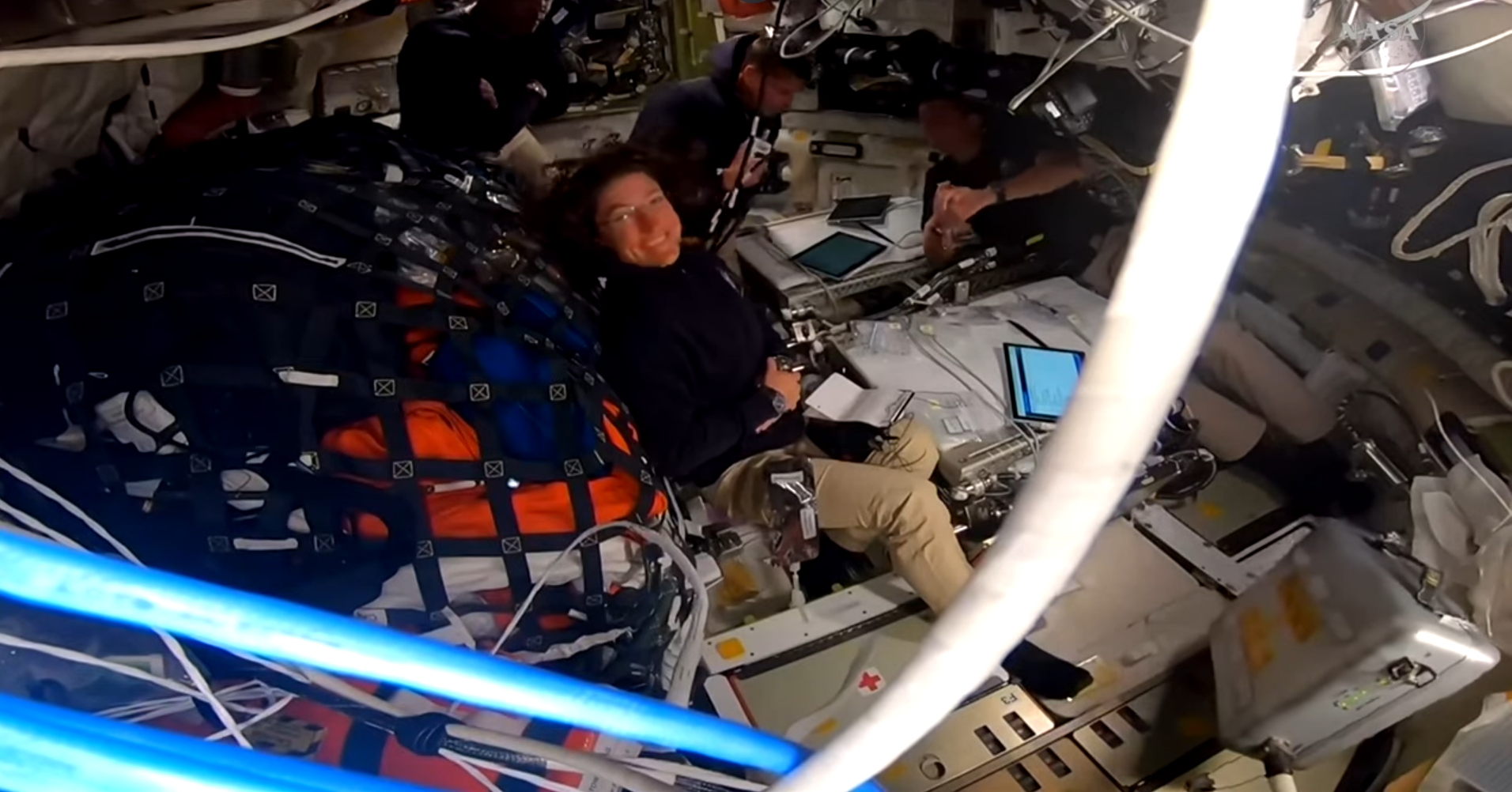
NASA identified the Artemis II crew as Reid Wiseman, Victor Glover, Christina Koch, and Canadian Space Agency astronaut Jeremy Hansen. The agency said the crew continued taking pictures of the Moon as Orion moved away from Earth. That detail matters because Artemis II is not just a ceremonial flyby. It is a systems test conducted with people on board, designed to gather operational experience during a mission profile that carries astronauts far beyond the distance routinely achieved in modern human spaceflight.

Why the mission matters now
NASA framed the accomplishment as part of a broader effort to return astronauts to the Moon and establish a sustained presence there. In the agency’s release, acting associate administrator Lori Glaze said the mission is tied to the promise of going back to the lunar surface “this time to stay” and establishing a Moon Base. That language reflects the long-term ambition behind Artemis: not just a repeat of Apollo-style visits, but a more durable exploration architecture.
That larger objective helps explain why Artemis II is structured as a crewed test mission rather than a landing attempt. NASA launched Orion atop the Space Launch System from Kennedy Space Center on April 1, 2026. The agency said the spacecraft then performed burns to leave Earth orbit and set course for the Moon. Every major phase of that sequence is part of proving the transportation stack, the spacecraft, and the mission operations needed for later flights.
In that sense, the new distance record is significant because it is attached to a practical test. It demonstrates that Orion and its crew are operating in the deep-space environment required for NASA’s next lunar phase. Distance alone does not define mission success, but it is a visible indicator that the spacecraft is reaching the regime it was built for.
A mission built around firsts
NASA also highlighted the crew’s historic character. The agency noted updates to the release concerning statements about crew firsts, underscoring how much public attention is attached to who is aboard this flight as well as where it is going. Artemis II is carrying both U.S. astronauts and a Canadian astronaut on a mission around the Moon, reinforcing the multinational shape of the current lunar effort.
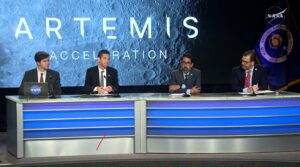
The mission’s public messaging has emphasized that point. After the record was surpassed, NASA said the crew offered brief and emotional remarks from Orion. Hansen’s comments, as quoted by the agency, explicitly connected the moment to the achievements of earlier human spaceflight crews. The framing is deliberate: Artemis is being presented as both continuation and reset, honoring Apollo while opening a new chapter meant to support future surface missions.

Record-setting does not replace mission objectives
It is easy for a record like “farthest humans from Earth” to dominate headlines, but NASA’s own description shows that Artemis II should be understood as an operational mission first. Orion’s trip to the Moon, its path around it, and its return are all central to validating hardware and procedures under real mission conditions. The crew’s collection of lunar imagery during the outbound leg also signals the mission’s observational and public-engagement roles, even if the core purpose is flight test and demonstration.
The update NASA made later on April 6 also shows how closely the mission is being tracked. The agency revised figures related to Orion’s closest approach to the Moon and its farthest distance from Earth, a reminder that even widely shared milestone missions can involve changing numbers as trajectory details are refined.
The broader message from Artemis II
For NASA, the most important outcome is likely not the record itself but what the record represents: a crewed U.S.-led lunar mission is no longer hypothetical. Artemis II has moved humans beyond the Apollo 13 distance mark while carrying out the first crewed flight of the Artemis era. That gives the program a concrete achievement at a moment when long-horizon exploration efforts are often judged by whether they can translate plans into visible progress.
The mission is also a test of political and institutional continuity. NASA is asking governments, partners, and the public to view Artemis as a stepwise campaign. Passing the Apollo 13 mark does not complete that campaign, but it gives it a powerful image and a measurable milestone. In spaceflight, symbols matter because they help sustain support; technical demonstrations matter because they make the next mission possible. Artemis II, at least on this measure, delivered both at once.
This article is based on reporting by NASA. Read the original article.
Originally published on nasa.gov