Apollo’s mark has finally fallen
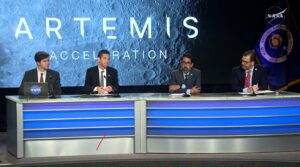
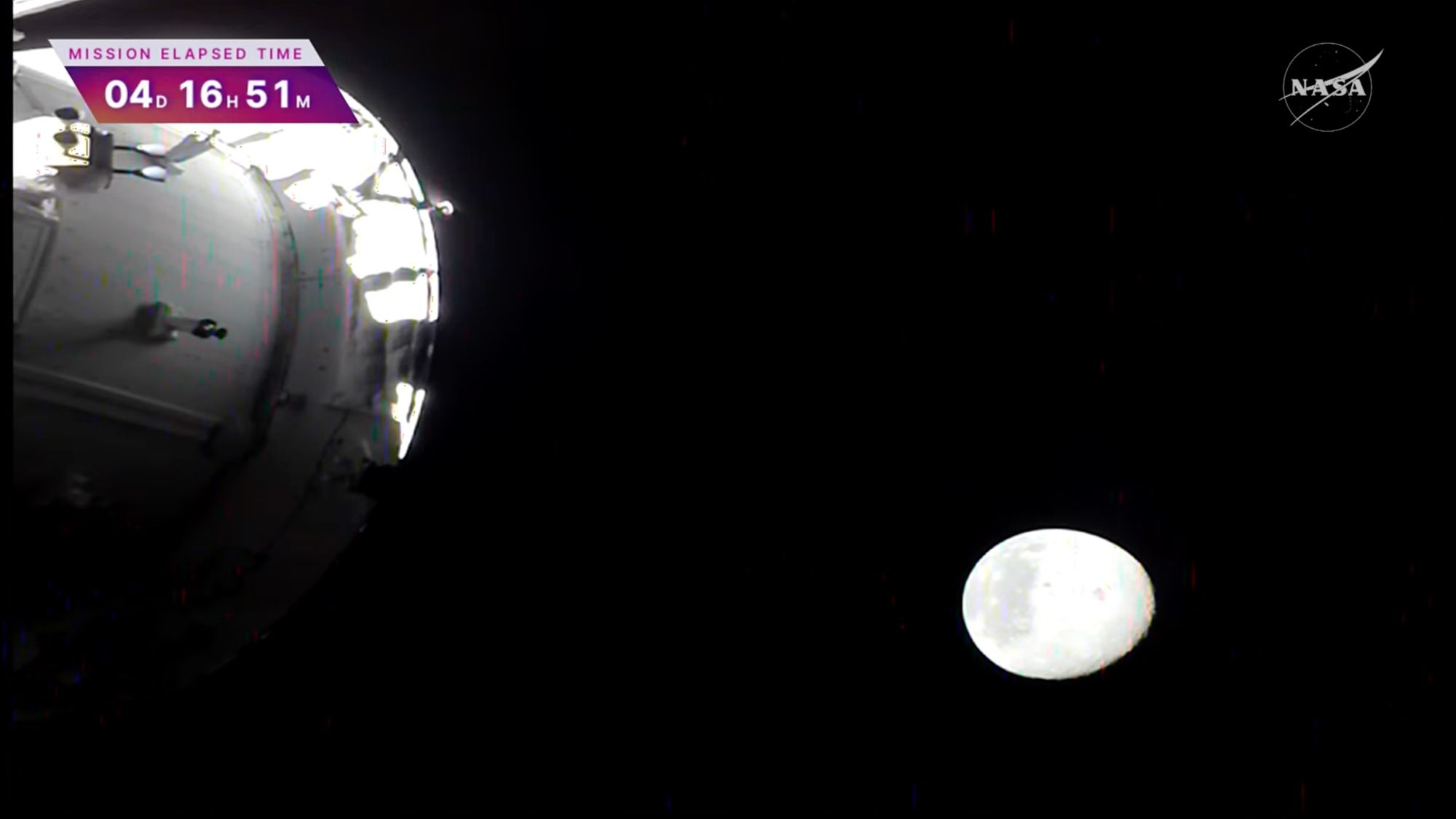
NASA’s Artemis II mission has passed one of the most resonant milestones in human spaceflight: distance from Earth. According to Space.com, the four astronauts aboard Orion broke the record set by Apollo 13 when the spacecraft reached 248,655 miles from Earth on April 6 as it began looping around the far side of the moon.
The new maximum distance cited by NASA officials is about 252,760 miles. On paper, that is a numerical record. In historical terms, it is something larger. For more than half a century, the farthest humans had ever traveled from their home planet was still tied to the Apollo era. Artemis II has now moved that boundary, confirming that human deep-space flight is no longer only a memory preserved in archival footage and national mythology.
Why this record matters
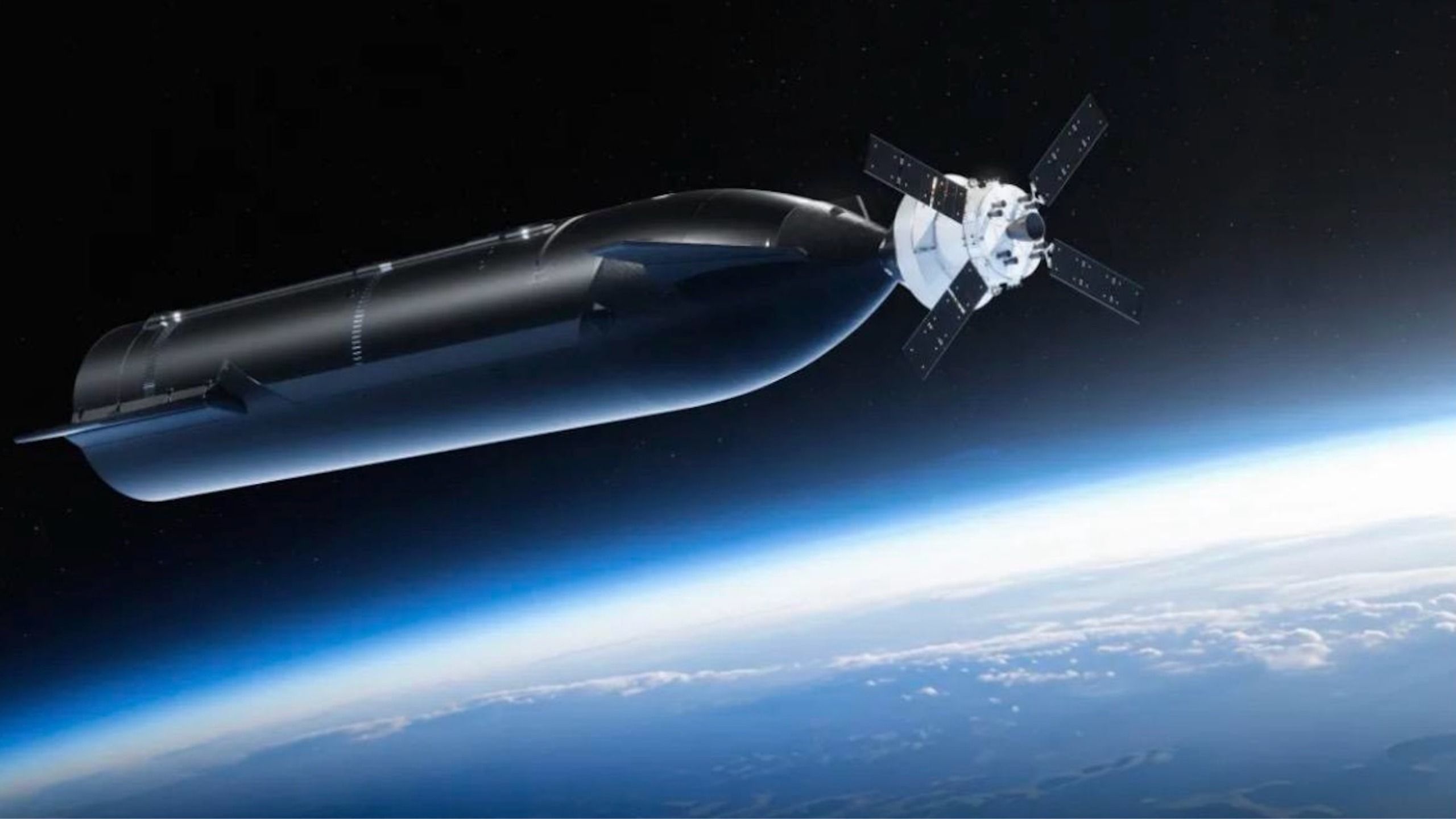
Distance records in space can sound ceremonial, but this one is operationally meaningful. Artemis II is not just reenacting a symbolic loop around the moon. It is testing the Orion spacecraft and the wider lunar exploration architecture in the environment where future crewed missions will have to perform reliably. Every mile beyond low Earth orbit is a test of communication, navigation, spacecraft systems, and the crew’s ability to operate far from immediate rescue.
The old record belonged to Apollo 13, a mission remembered not for a triumphant landing but for survival under crisis. That history gives the new record an added layer of significance. The Artemis crew is surpassing Apollo’s farthest reach not during an accident, but as part of a planned return to deep-space human operations.

The moon has become a proving ground again
Space.com notes that the previous record had stood since April 15, 1970. That date alone shows the scale of the hiatus. For decades, human spaceflight achievements continued in orbit, on space stations, and through international cooperation, but not in terms of raw distance from Earth. Artemis II restores the moon as the key proving ground for the next era of exploration.
That shift matters politically and technologically. A successful mission around the moon demonstrates that NASA and its partners can once again send humans into the harsher and less forgiving domain beyond Earth orbit. It also reinforces the moon’s role as the staging area for broader ambitions in exploration, science, and eventually sustained operations.
A moment built for public memory
The report adds an emotional element: Apollo 13 commander Jim Lovell, before his death in August last year, recorded a congratulatory message for the Artemis II crew. That detail connects the record not only through numbers, but through generations. Human spaceflight is one of the few technological endeavors where national programs can still draw a direct line between pioneers and current crews in a way the public immediately understands.
That continuity helps Artemis in a practical sense. NASA’s moon program is technically demanding and politically expensive. Record-setting moments create visible milestones that can be shared beyond aerospace circles. They turn a complex mission architecture into a single clear fact: humans have now gone farther than ever before.
More than a nostalgic victory lap
It would be easy to treat the record as a nostalgia-driven media moment, especially because Artemis necessarily invites comparison with Apollo. But that interpretation misses the point. The value of Artemis II is not that it repeats Apollo’s path. It is that it proves modern systems can take crews back into deep space after a gap of more than 50 years.
Orion is a contemporary spacecraft operating in a different technological, political, and industrial environment than Apollo. Artemis itself is built through a more distributed model involving NASA, commercial contractors, and international partners. The record therefore reflects not just continuity with the past, but the emergence of a new exploration model.
What this means for the program
The practical impact of the milestone is indirect but important. Artemis needs moments that show measurable progress. Breaking the human distance record is one of those moments. It signals that the mission is not merely underway, but succeeding at a level visible to both engineers and the public.
That does not settle every challenge ahead. Artemis must still convert flight milestones into a durable cadence of missions, landings, and infrastructure. But records like this create confidence that the foundational systems can operate where they are meant to operate: in cislunar space, with humans aboard.
The boundary has moved again
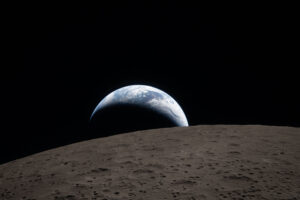
For decades, the outer edge of human travel remained frozen in time, a relic of the Apollo years. On April 6, 2026, that edge moved. Artemis II’s crew passed beyond the farthest point any humans had ever reached and, in doing so, turned a long-dormant ambition back into a present-tense reality.
That alone does not complete the moon return. It does, however, mark a clean dividing line between the era when deep-space human flight was something history had already achieved and the era in which it is being actively rebuilt.
This article is based on reporting by Space.com. Read the original article.
Originally published on space.com