Human Spaceflight Runs on Uncelebrated Systems
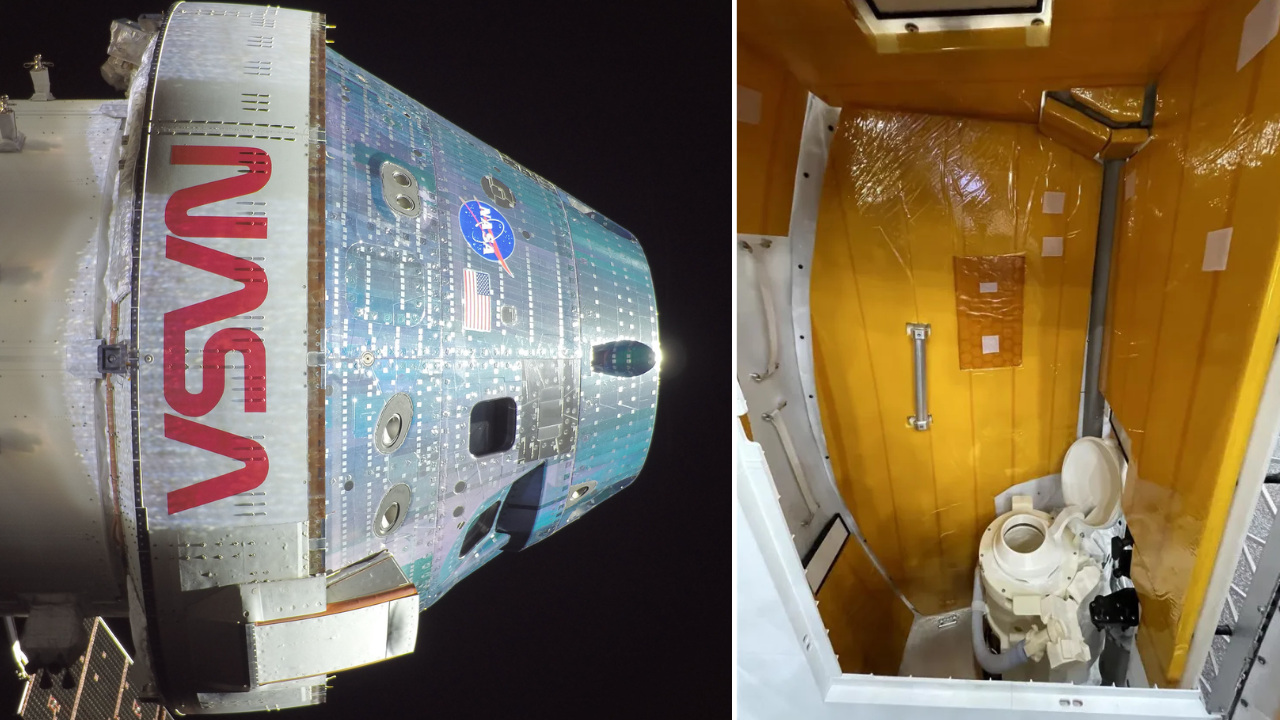
NASA’s Artemis 2 mission is historic for obvious reasons: it is carrying astronauts around the moon for the first human lunar flyby in more than 53 years. Yet one of the most discussed pieces of hardware aboard Orion is not a propulsion system, guidance package, or life-support milestone. It is the spacecraft toilet.
That may sound like novelty coverage, but the attention is revealing. In long-duration crewed missions, the systems that receive the least glamour can become the clearest reminders of what deep-space travel actually demands. A moon mission is not only about launch vehicles and navigation precision. It is also about whether a crew can live, work, and solve problems inside a sealed vehicle with little margin for inconvenience and even less room for failure.
What Happened on Artemis 2
According to Space.com, Orion’s toilet became part of the mission story from the outset when its urine function went offline. The report says the issue was fixed by mission specialist Christina Koch with help from Mission Control. Since then, the onboard bathroom has remained a recurring topic as the crew moved through the mission.
Space.com frames the toilet as an unlikely breakout star of Artemis 2, partly because the subject is inherently relatable and partly because the mission itself invites comparison with earlier eras of lunar exploration. The article notes that Artemis 2 astronauts have a private space toilet, a marked contrast with Apollo crews, who relied on plastic bags for waste collection.
That comparison matters. It illustrates how progress in crewed exploration is measured not only by destination but by livability. A system that preserves privacy and routine may seem secondary on the ground, but in space it becomes part of mission performance.

The Engineering Lesson Behind the Humor
Coverage of space toilets often drifts into comic relief, but the engineering stakes are straightforward. Crew systems must function reliably in microgravity, under time pressure, and without the option of roadside repair. When a subsystem fails, the immediate consequence may be discomfort or disruption rather than catastrophe, but the broader signal is still serious: every component aboard a spacecraft sits inside a tightly managed operational ecosystem.
In that sense, the Artemis 2 toilet story is less about bathroom mechanics than about mission resilience. A malfunction happened. The crew and ground teams responded. The issue was corrected. That is the real takeaway. It shows that human lunar missions remain exercises in constant systems management, where even minor failures have to be addressed quickly and methodically.
Space.com’s reporting also captures something important about public engagement. People often connect more easily to concrete daily-life details than to abstract mission architecture. A toilet problem aboard a moon-bound spacecraft instantly translates the enormity of space travel into human terms.
Why Artemis 2 Is Different From Apollo
The article’s comparison with Apollo-era waste handling highlights a quiet but meaningful evolution in mission design. Modern human spaceflight places greater emphasis on habitability, privacy, and sustained crew wellbeing. That shift reflects the demands of contemporary missions, which increasingly aim not just to visit space but to operate there more routinely and for longer periods.
Apollo was designed for fast, high-risk, highly constrained exploration under the pressure of the Cold War. Artemis is still complex and risky, but it is being developed in an era that expects more usable operational infrastructure. The spacecraft must support a crew in ways that look less improvised and more sustainable.
Even small comforts matter in that framework. Reduced friction in day-to-day living can support concentration, morale, and workflow. On a short mission that effect may be modest. Across a broader lunar campaign, it becomes part of the architecture of repeatability.

The Public Story of Artemis Is Expanding
NASA’s Artemis program is often discussed through launch timelines, rocket readiness, lunar ambitions, and geopolitical symbolism. Those are the right headline themes. But stories like this broaden the picture. They remind audiences that exploration programs are built from thousands of interlocking details, many of them deeply ordinary.
That ordinariness is not a distraction from the mission. It is evidence that Artemis is a crewed program, not merely a technical demonstration. Astronauts are not passengers strapped to a machine for a symbolic loop around the moon. They are living inside a spacecraft that has to support bodily needs, privacy, troubleshooting, and the rhythms of a working mission.
The fact that the toilet became a recognizable subplot may therefore help NASA as much as it invites jokes. It humanizes the mission. It underscores how far crew systems have come since Apollo. And it gives the public a practical window into why long-range spaceflight is hard.
From Lunar Spectacle to Operational Reality
Artemis 2 is, at one level, a spectacular return to human lunar flight. At another, it is a live test of whether Orion can support a crew across the full texture of a real mission. That texture includes navigation and communication, but it also includes maintenance, improvisation, and mundane functions that cannot be ignored because the destination is inspiring.
Spaceflight history is full of examples where uncelebrated components shaped mission outcomes. Consumables, seals, valves, sanitation systems, and environmental controls rarely lead headlines until they stop working. When they do, they reveal the true nature of exploration: success depends on everything, not just the parts that appear in posters and launch broadcasts.
The Artemis 2 toilet story fits squarely in that tradition. It is amusing, but it is also clarifying. The moonshot is never only about reaching the moon. It is about carrying human beings there and back in conditions they can actually endure.
Why This Small Story Carries Real Weight
For all the humor surrounding it, the prominence of Orion’s toilet is a useful reminder of what the Artemis era is trying to build. NASA is not simply recreating Apollo. It is assembling a more modern approach to human deep-space operations, one where mission hardware must serve both engineering goals and human needs.
That makes the story more than a curiosity. It is a visible example of the practical, often overlooked systems that determine whether ambitious exploration can mature into something repeatable. Artemis 2 may be remembered for its route around the moon, but the public fascination with its bathroom hardware reveals a deeper truth: when humans go farther into space, every detail of living goes with them.
This article is based on reporting by Space.com. Read the original article.
Originally published on space.com