The Power of Heavy Lifting
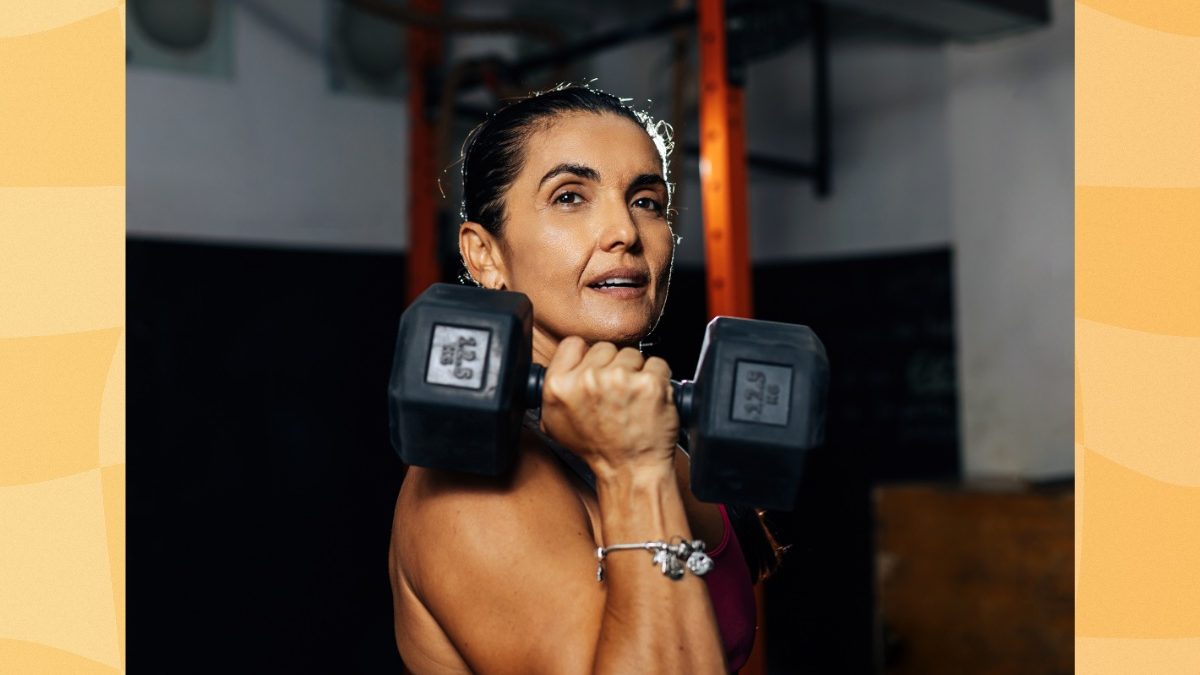
For decades, older adults have been encouraged to engage in gentle exercise like walking or stretching. But a new study suggests that adding heavy weightlifting to the routine could yield remarkable benefits, particularly for women over 60. The research, published in a leading science journal, found that lifting at least 50 kilograms (about 110 pounds) twice a week significantly improved muscle mass, mobility, and balance in older women.
The findings challenge the conventional wisdom that heavy resistance training is unsafe or unnecessary for seniors. Instead, they highlight the potential of strength training to combat age-related muscle loss, known as sarcopenia, which can lead to frailty, falls, and loss of independence.
What the Study Found
Researchers recruited a group of women aged 60 and older and divided them into two groups. One group followed a supervised weightlifting program that involved lifting at least 50 kilograms twice a week, while the control group maintained their usual activities. After several months, the weightlifting group showed significant improvements in lean body mass, lower-body strength, and functional mobility tests, such as standing from a chair and walking speed.
Importantly, the women also experienced better balance, a key factor in preventing falls—a major health risk for older adults. The study's authors noted that the improvements were not just statistically significant but also clinically meaningful, suggesting that heavy lifting could translate into real-world benefits.
Why 50 Kilograms?
The threshold of 50 kilograms was chosen based on previous research indicating that this level of resistance is sufficient to stimulate muscle growth and strength gains in older populations. It is important to note that this weight is not arbitrary; it represents a challenging but achievable load for most women with proper training and supervision.
For context, 50 kilograms is roughly the weight of a large suitcase or a small adult. Lifting this amount twice a week, with exercises like squats, deadlifts, or leg presses, can effectively target major muscle groups.
Safety and Supervision
While the results are encouraging, experts emphasize that starting a heavy lifting program should be done under the guidance of a qualified trainer or physical therapist, especially for those with pre-existing health conditions. Proper form and gradual progression are essential to prevent injury.
The study's participants were closely monitored, and the program was tailored to their abilities. This suggests that with appropriate support, even women who have never lifted weights before can safely incorporate heavy resistance training into their lives.

Implications for Healthy Aging
The findings add to a growing body of evidence that resistance training is one of the most effective interventions for maintaining physical function in later life. Unlike aerobic exercise, which primarily benefits cardiovascular health, weightlifting directly addresses muscle and bone strength, which are critical for mobility and independence.
For older women, who are at higher risk of osteoporosis and fractures, the benefits of weightlifting extend beyond muscle. Heavy lifting can also improve bone density, reducing the risk of fractures from falls.
A Simple Prescription
The study offers a clear, actionable message: lifting 50 kilograms twice a week could be a simple yet powerful prescription for healthier aging. This is particularly relevant in an era where healthcare systems are looking for cost-effective ways to promote healthy longevity.
Public health campaigns have long promoted physical activity, but they often focus on moderate-intensity aerobic exercise. This research suggests that resistance training should be equally emphasized, especially for older adults.
What This Means for You
If you are an older woman—or know one—consider incorporating heavy lifting into your routine. Start with lighter weights and gradually increase to 50 kilograms as your strength improves. Work with a professional to ensure proper technique and to design a program that fits your individual needs.
The benefits are clear: more lean muscle, better mobility, and improved balance. These are not just numbers on a chart; they translate to a higher quality of life, allowing you to continue doing the activities you love well into your later years.
Looking Ahead
Future research will likely explore the optimal frequency, intensity, and duration of resistance training for older adults, as well as its long-term effects on health outcomes. But for now, the message is simple: it's never too late to start lifting.
As the global population ages, finding effective ways to maintain physical function is more important than ever. This study provides a compelling case for making heavy weightlifting a standard part of healthy aging guidelines.
This article is based on reporting by New Scientist. Read the original article.

Originally published on newscientist.com