Aging in Cross-Resolution
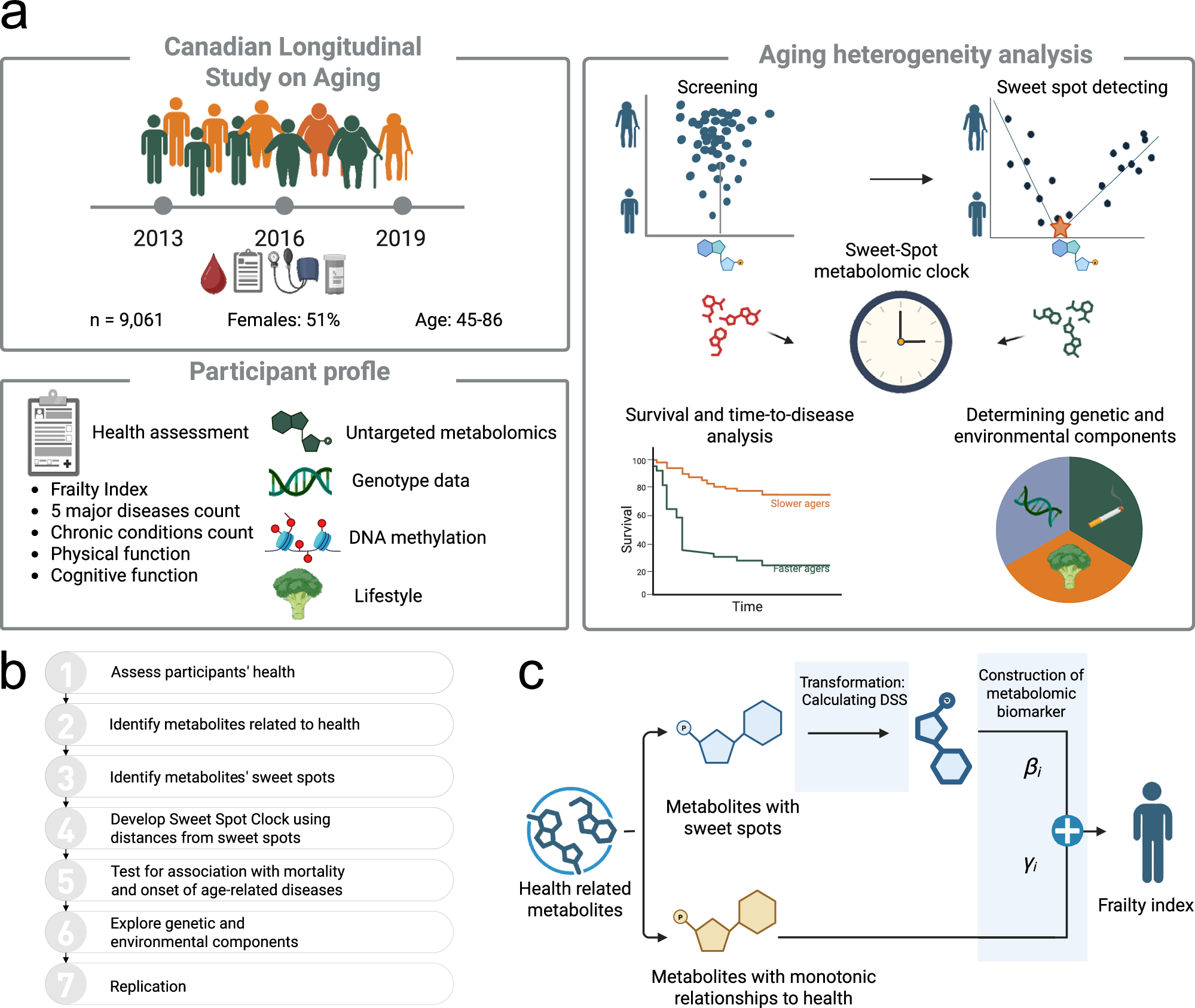
Aging is a complex, multifactorial process that manifests at the molecular, cellular, and physiological levels. While scientists have long cataloged age-associated shifts using individual molecular layers, a truly integrated understanding is only beginning to emerge with advances in high-throughput technologies and long-term cohort studies. On September 6, 2026, a new study published in the prestigious journal Science (Volume 393, Issue 6815) presents findings from a longitudinal population cohort that tracked both gene expression and metabolomics over time. The paper, titled "Longitudinal dyn...
Why a Longitudinal, Population-Level Approach?
Cross-sectional studies take a snapshot of many individuals at different ages at one time point, but they are prone to confounding effects from birth cohorts, geography, or lifestyle changes that differ across generations. Longitudinal designs follow the same individuals across a time span, allowing researchers to directly observe how molecular profiles change within each person as they age. This makes it easier to distinguish true aging trajectories from inter-individual variability, which is a major source of noise in many biological studies.
The study’s population-level scale increases statistical power and helps capture the broad range of aging experiences seen across diverse demographics. With repeated sampling, the researchers could potentially map non-linear trajectories, such as exponential rises in certain disease-linked metabolites or gene expression regulatory shifts during the later years of life.

Power of Multi-Omics Integration
By combining gene expression (the set of RNA transcripts in a tissue or blood sample) and metabolomics (the comprehensive profile of small-molecule metabolites), the study connects genotype-level regulatory switches with downstream functional chemistry. Gene expression tells researchers which genes are active in a system, but mRNA levels do not always translate directly to protein abundance or enzymatic activity. Metabolomics provides a closer readout of the actual physiological state, capturing the consequences of gene regulation plus environmental inputs like diet, gut microbiome activity, and medication use.
Integrating these layers is not trivial. Transcriptomic datasets are high-dimensional, and metabolomics data contain an enormous variety of chemically distinct molecules. The combination requires sophisticated statistical and computational modeling to correct for batch effects, drift in instrument calibration, and variability introduced by sample storage. Moreover, because the study participants are humans living freely in the community, factors such as time of day, recent meals, and acute illness can transiently alter measurements. The authors’ ability to identify a signal amidst this noise depends on careful sample collection protocols and robust normalization methods.
Toward Molecular Aging Signatures
This publication aligns with a growing effort to define "molecular aging clocks" that go beyond chronological age. A transcriptomic or metabolomics-based clock might capture inter-individual differences in the rate of biological aging, offering a more personal measure than simply counting birthdays. Such clocks could in the future help clinicians identify individuals at elevated risk for age-related diseases before symptoms develop, and they might serve as surrogate endpoints for interventions intended to slow aging.
The research also may highlight specific metabolic pathways that consistently become dysregulated with age. When these pathways are verified and causal connections are tested in animal models or cellular experiments, they could become attractive targets for pharmacological agents or lifestyle interventions. For example, if particular amino acid or lipid molecules fluctuate in sync with gene expression networks related to inflammation, those nodes may hold the key to mitigating age-related chronic inflammation.

Context of the Publication
Volume 393, Issue 6815 of Science represents a snapshot of some of the most exciting discoveries in September 2026. The appearance of a dense longitudinal multi-omics study in this journal signals a strong peer-review endorsement of the work’s rigor and significance. In recent years, Science has increasingly published research that integrates large-scale molecular profiling with human health outcomes, and this study fits squarely within that trend.
While the abstract alone does not reveal every result, the accompanying full text (available on the journal’s website) will allow researchers to inspect the cohort demographics, the number of sampling time points, the analytical pipeline, and the detailed statistical models. Peer reviewers typically demand rigorous reporting in such wide-reaching studies, so the published method section will likely be a rich resource for other groups planning similar longitudinal omics efforts.
Challenges for Longitudinal Omics
Even with well-executed longitudinal monitoring, there are inherent limitations to studying aging in a human population. The follow-up period may be long but not life-long; thereby, the study may miss the extreme tail of aging and the physical changes that occur in one’s final months. Furthermore, the cohort may not fully represent the demographic diversity of the entire global population. Yet such limitations are a normal feature of any biomedical research program. Scientists often use large community cohorts like this one to generate hypotheses that are later validated in cells, model organisms, and eventually in other independent human cohorts.
One emerging approach is to share the summarized data and model outputs with the wider research community, allowing different laboratories to compare and contrast findings with their own datasets. If the authors of this new report have made their data available in accessible repositories, other teams may soon attempt to replicate and extend the findings.

Implications for Precision Health
Ultimately, the promise of unraveling aging through multi-omics lies in the possibility of earlier intervention. If a person’s biological age is detectable through a simple blood test measuring gene expression panels and circulating metabolites, clinicians might be able to recommend personalized lifestyle changes, dietary tweaks, or medications well before chronic conditions set in. The recent surge in anti-aging drug trials taking this approach means there will be a rising demand for reliable biomarkers of aging. Studies such as this one will form the foundational evidence for those biomarkers.
In many ways, this work is an important reminder that aging is not a single molecular event but a coordinated shift involving nearly every layer of biological regulation. The combination of gene expression and metabolomics from the same participants over time offers one of the clearest vistas yet onto this coordinated process. As data continue to accumulate and methods improve, these longitudinal cohort studies promise to advance how society understands, monitors, and ultimately seeks to influence the aging process at its most fundamental, molecular core.
This article is based on reporting by Science (AAAS). Read the original article.
Originally published on science.org