Airborne sodium can change how hydrogen flames look
Hydrogen is often presented as a potential lower-emissions substitute for natural gas in some heating and cooking applications. But the fuel creates a safety challenge familiar to engineers: its flame may be difficult to see. New research described by the University of Adelaide indicates that the visibility of a hydrogen flame can vary markedly under otherwise similar burner conditions, depending on tiny amounts of sodium present in the surrounding air.
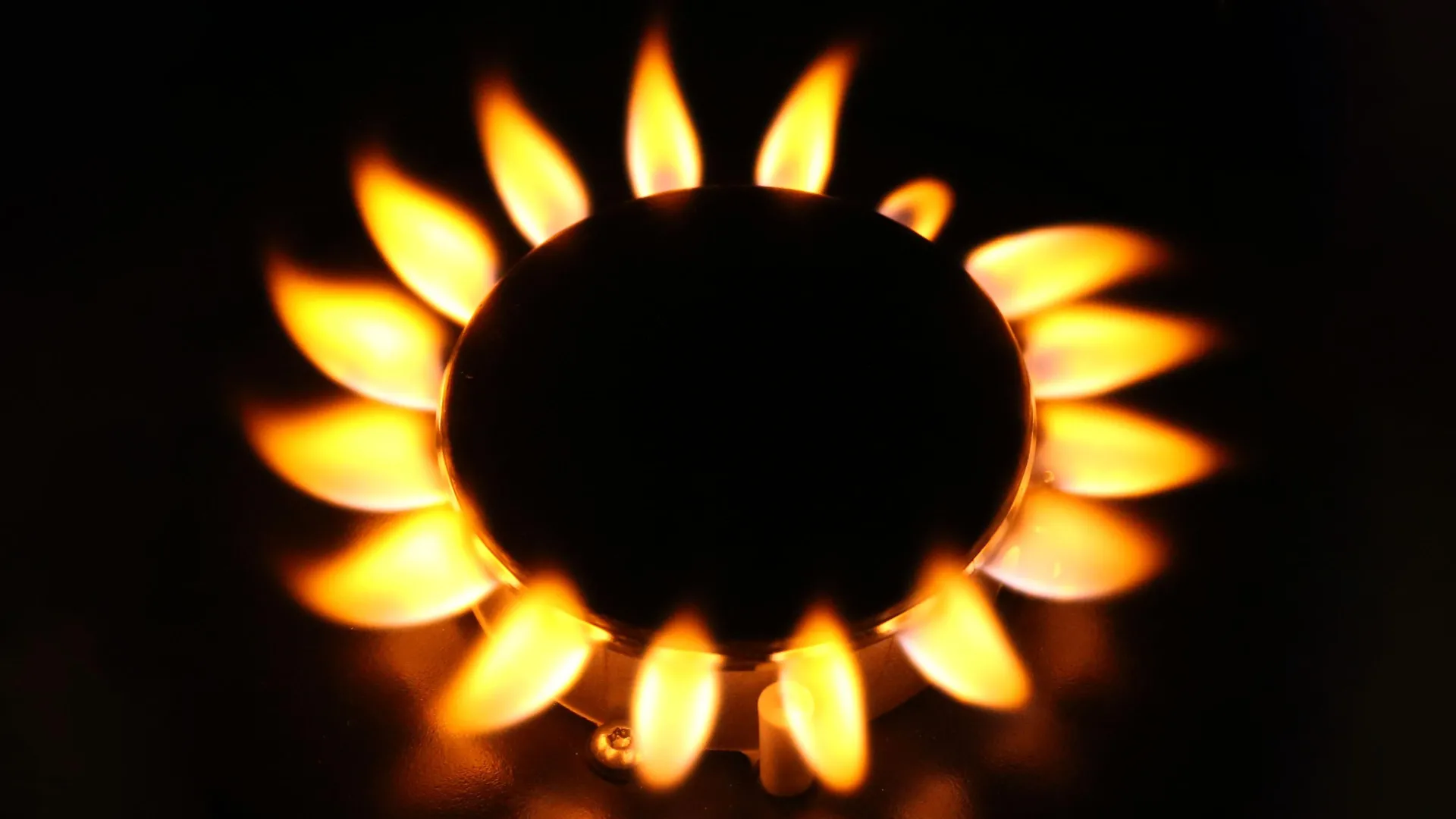
According to the research summary, a hydrogen flame can appear bright orange on one day and nearly invisible on another. The change is not necessarily a sign that the burner setting has changed. Instead, it can be driven by microscopic sodium-bearing particles in the air around the flame. Sea salt carried inland by wind is cited as one potential source of that sodium.
The finding matters because visual checks are a common, intuitive way for people to judge whether a gas burner is operating. If flame appearance varies with environmental conditions, then relying on color or brightness alone could be unreliable for future hydrogen appliances.
Why the flame can shift from orange to hard to see
The researchers combined controlled laboratory work with outdoor testing around Adelaide to study how ordinary environmental conditions affect hydrogen combustion. Their conclusion is that sodium in the ambient air has an outsized effect on the flame’s visible appearance.
When sodium concentrations are present in the air, hydrogen flames can take on a noticeable orange glow. When those concentrations fall, the same flame can become much more difficult to detect visually. The supplied research summary does not suggest that the burner has stopped operating when the orange color disappears; rather, it says visibility can change even while the burner continues under the same conditions.
That distinction is central to appliance safety. A clearly visible orange flame may give users an immediate cue that a burner is lit. A much less visible flame may not. The work therefore shifts attention from whether a hydrogen flame is intrinsically visible to the more practical question of whether it will remain visible across changing local conditions.
Implications for hydrogen appliances
The research points toward safety systems that do not depend on a user seeing a flame. The University of Adelaide says engineers may need specialized detection technologies for hydrogen-powered stoves, ovens and related household equipment. Such systems could detect whether combustion is occurring regardless of how the flame looks that day.
This is particularly relevant as hydrogen is considered for roles now filled by natural gas. Any broad deployment in homes would require appliances that work consistently across weather, geography and indoor environments. A design that assumes a visible flame could behave differently near the coast, inland, or during changes in airborne particles.
Professor Paul Medwell, identified as the lead researcher from the university’s School of Electrical and Mechanical Engineering, said that understanding hydrogen flames under real-world conditions is important if household users are to have confidence in the technology. The reported work does not eliminate the visibility issue; it gives appliance designers a clearer explanation for why it can vary.
What the findings do and do not establish
The results offer a focused insight into flame appearance, rather than a complete assessment of hydrogen’s role in buildings. They show that ambient sodium can influence visibility and that this variation should be accounted for in safety engineering. They do not, based on the supplied material, establish which detection technology should be used in every appliance or determine when hydrogen will replace natural gas.
Still, the work illustrates a broader challenge in bringing energy technologies from controlled demonstrations to everyday use. Performance must be evaluated not just in stable test conditions, but in the variable environments where people cook, heat spaces and operate equipment. For hydrogen, that includes atmospheric details as small as particles carried in the air.

A design problem hidden in plain sight
The practical message is straightforward: flame color is not a dependable universal indicator of a hydrogen burner’s state. The same appliance may present very different visual cues as environmental sodium changes. Dedicated sensors and other safeguards could therefore be more important than an appliance’s visible flame characteristics.
For developers of hydrogen-ready appliances, the research provides a specific environmental variable to account for. For policymakers and consumers, it is a reminder that lower-emissions fuels bring new engineering questions alongside their potential benefits. A safe transition would depend not only on producing and distributing hydrogen, but also on designing household systems that perform predictably when the conditions around them do not.
This article is based on reporting by Science Daily. Read the original article.
Originally published on sciencedaily.com