An experimental strategy for localized cancer treatment
Researchers in Japan have reported an early-stage approach that aims to make cancer treatment more selective by using a chemical produced within tumor cells to create anticancer compounds on site.
The work, led by Katsunori Tanaka at the RIKEN Pioneering Research Institute, focuses on carbon monoxide. Although carbon monoxide is widely known as a poisonous gas, it is also produced naturally in the body, including by many types of cancer cells. The researchers sought to exploit the relatively high amounts associated with tumors as a chemical trigger.
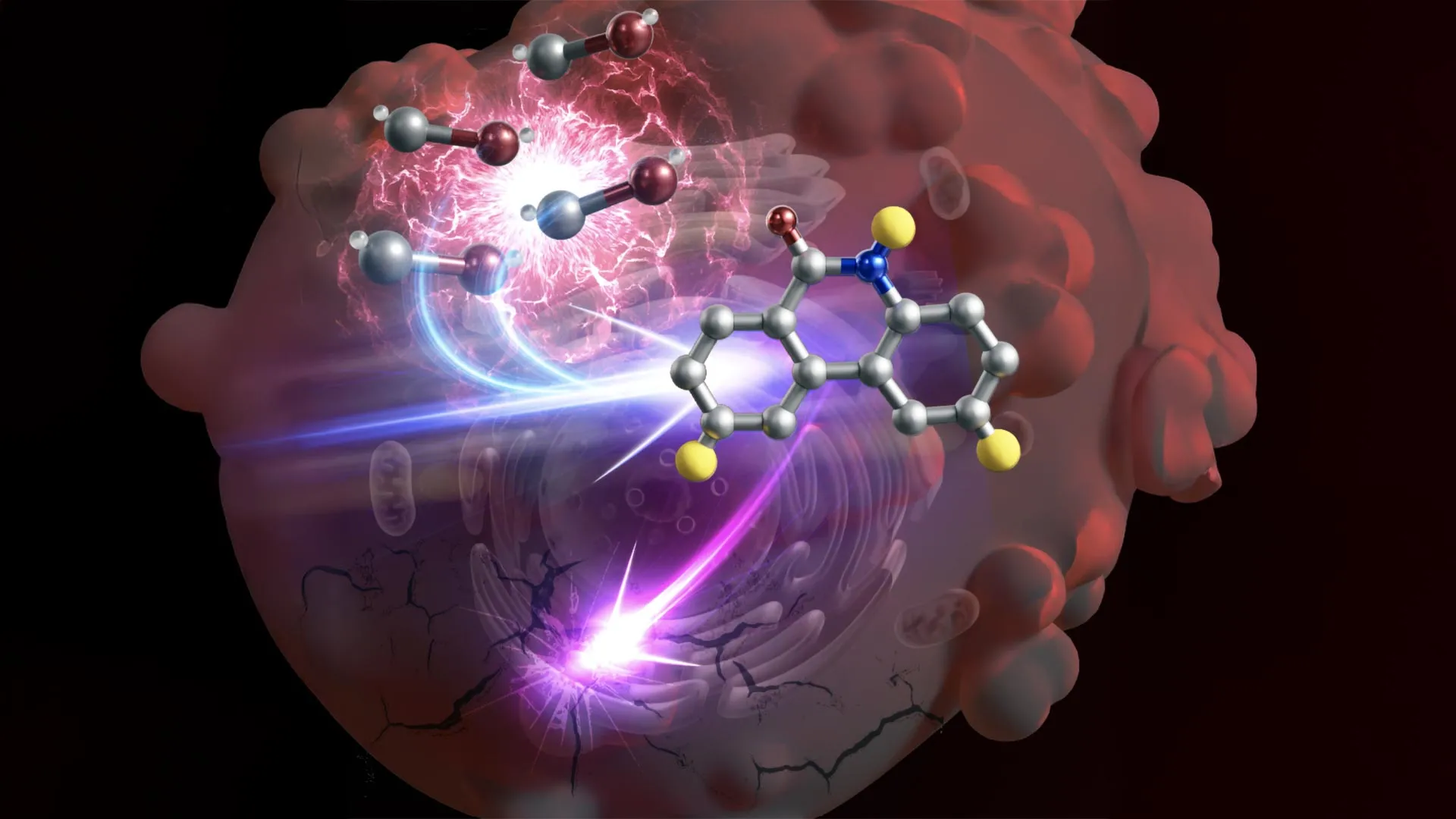
Rather than delivering an already active toxic drug throughout the body, the proposed method starts with a specially designed compound intended to remain comparatively harmless until it reaches the chemical environment of a cancer cell. There, carbon monoxide released by the tumor cell is used to manufacture an anticancer compound inside the cell itself.
Turning a tumor-associated signal into a trigger
The central challenge in cancer therapy is familiar: malignant cells must be damaged or eliminated while healthy tissue is spared as much as possible. Conventional chemotherapy can cause serious side effects because cytotoxic effects are not always confined to tumors.
Tanaka’s team is pursuing a different sequence. Instead of relying entirely on where a drug travels after it is administered, the strategy seeks to control where the active drug is formed. Its intended selectivity comes from a feature of the tumor environment: cancer cells can generate unusually high levels of carbon monoxide.
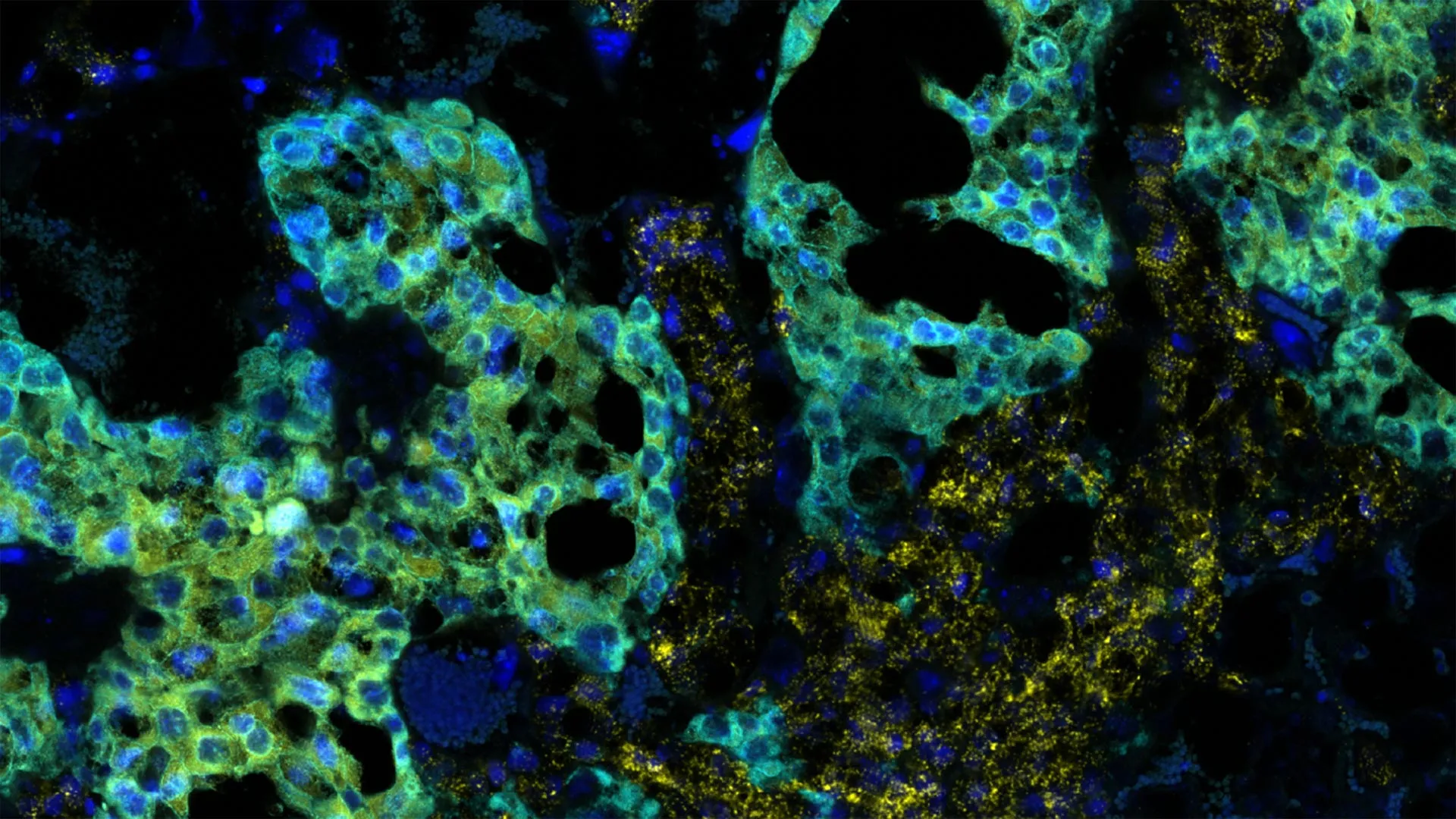
In laboratory experiments described by the researchers, a designed compound triggered drug production inside cancer cells without producing the same toxic substances in healthy cells. That distinction is the key early result. It suggests that carbon monoxide could potentially serve not only as a biological feature of tumor cells, but also as a reagent in a treatment system.
Why carbon monoxide is of interest
Carbon monoxide is associated with hazardous emissions from sources such as gasoline engines. In biology, however, the molecule can also be generated naturally. The RIKEN researchers note that many cancer cells produce it, and that tumors may produce it in unusually high amounts.
That difference could make carbon monoxide useful for identifying a tumor-specific chemical environment, provided it can be detected and harnessed reliably. The team’s approach is built around that possibility: a compound is designed to react in a way that creates an active anticancer agent where the relevant carbon monoxide is present.
The concept belongs to a broader effort to develop treatments that are activated locally rather than being fully active everywhere in the body. A local-activation design could, in principle, reduce exposure of healthy tissues to toxic agents. But the new report remains a laboratory result, not a demonstrated therapy in patients.
What the research does and does not show
The findings are promising because they outline a route to converting a substance made by cancer cells into part of the mechanism used against them. The investigators demonstrated the approach in early laboratory experiments and published the work in Nature Communications.
That is an important scientific milestone, but it is not evidence that the method is ready to replace chemotherapy or treat cancer in people. The supplied report characterizes the technique as early stage and says it could eventually provide a safer alternative by limiting the harmful effects associated with conventional cancer treatments.
Much remains to be established before that possibility can be evaluated. A treatment concept must be shown to work reliably across relevant cancer types, reach tumors effectively, generate enough active drug under real biological conditions and avoid unintended effects. It would also need to demonstrate an acceptable safety profile in further preclinical work and, eventually, in carefully designed human trials.
A shift from drug delivery to drug construction
The research reframes a familiar treatment problem. In standard drug delivery, scientists often try to direct a therapeutic compound to the right cells while minimizing exposure elsewhere. In the RIKEN approach, the additional idea is to carry a precursor and use chemistry inside the cancer cell to construct the active agent there.
Such a system may offer a useful way to think about precision treatment: not simply putting more drug near a tumor, but making the biology of a tumor participate in generating the drug. The promise depends on whether the chemical trigger is sufficiently distinct between cancerous and healthy cells.
For now, the result is best viewed as a proof-of-concept for a tumor-responsive chemical strategy. It identifies carbon monoxide produced by cancer cells as a potential resource rather than merely a feature to observe. If future studies can preserve that selectivity outside the laboratory, the approach could add to efforts to make anticancer treatment more targeted and less damaging to healthy tissue.
This article is based on reporting by Science Daily. Read the original article.
Originally published on sciencedaily.com