A decades-old amphibian mystery gains a likely explanation
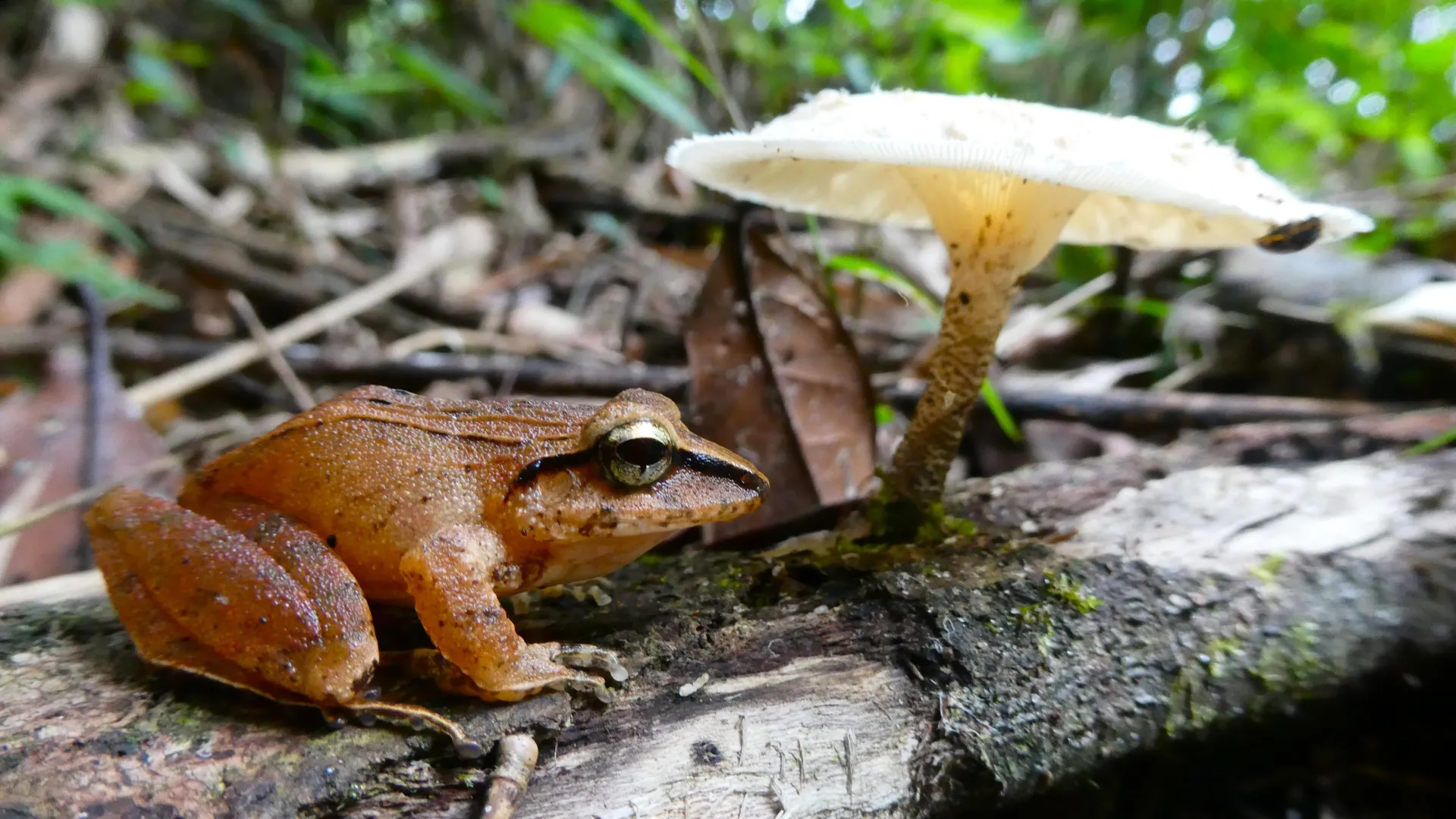
Scientists have found new evidence that a fungal disease was probably behind dramatic frog declines recorded in Brazil’s Atlantic Forest nearly 50 years ago. The research focuses on the Boracéia Biological Station, where amphibian populations fell sharply between 1979 and 1982 and left researchers without a definitive explanation.
The suspected cause is chytridiomycosis, an infectious disease caused by the microscopic fungus Batrachochytrium dendrobatidis, commonly called chytrid. The findings, published in Molecular Ecology, were produced by researchers at the Smithsonian’s National Zoo and Conservation Biology Institute and Pennsylvania State University.
The result does not merely revisit an old ecological puzzle. It adds to the evidence that emerging disease played a central role in amphibian losses that occurred before scientists had identified the pathogen itself. Chytrid was formally described only in 1999, long after many declines had already taken place.
Why historical declines are hard to solve
Brazil’s Atlantic Forest is one of the world’s richest regions for amphibian diversity, but it has also been the site of striking population changes. Researchers documented severe declines at Boracéia in the late 1970s and early 1980s. Previous explanations included climate change and periods of unusually extreme weather.
Untangling those possibilities is difficult because the relevant events unfolded decades ago, before disease surveillance could routinely test for chytrid. The new work addresses that gap with evidence indicating that a fungal disease was spreading through the affected region during the period of decline.
Lead researcher Jack Boyette, a graduate fellow at the Smithsonian’s Center for Conservation Genomics and a doctoral candidate at Penn State, described many historic amphibian die-offs as enduring cases in wildlife epidemiology. In effect, scientists are trying to reconstruct an outbreak after the affected populations have changed, records have become sparse and the pathogen was not yet recognized by science.

A disease with global consequences
Chytridiomycosis has been associated with amphibian losses around the world. The fungus is believed to have originated in Asia before spreading internationally during the 1970s and 1980s, according to the research summary. By the time it was identified, hundreds of amphibian species worldwide had been pushed toward extinction and some had already disappeared.
The Boracéia findings strengthen the case that disease, rather than environmental conditions alone, was an important factor in this particular episode. That distinction matters for conservation. Climate and habitat pressures demand one set of responses; infectious threats require another, including pathogen monitoring, biosecurity and efforts to understand why some populations persist while others collapse.
The study’s most encouraging observation is that many frog populations in the area have since rebounded. The researchers say that pattern suggests the animals developed greater tolerance to a disease that once posed a much more acute threat.
Recovery does not mean the risk has vanished
A rebound is not the same as a final resolution. A population that survives an epidemic may still face renewed pressure if environmental conditions change, if new pathogen strains arrive or if already stressed habitats become less suitable for recovery. For amphibian conservationists, the lesson is to avoid treating an apparent return as proof that the underlying disease has disappeared.
The study also illustrates the value of revisiting historic wildlife records with modern methods. Old observations can look incomplete when they are first collected, yet they can become newly informative when paired with advances in genomics, disease ecology and statistical reconstruction.
For Brazil’s Atlantic Forest frogs, the research provides a more coherent account of a long-unexplained decline. It shifts the balance of evidence toward chytrid as the hidden killer and offers a reason for cautious optimism: some populations appear to have endured, and perhaps adapted, after one of the most consequential wildlife disease events of the late twentieth century.
This article is based on reporting by Science Daily. Read the original article.

Originally published on sciencedaily.com