The Supreme Court redraws a key line around location data
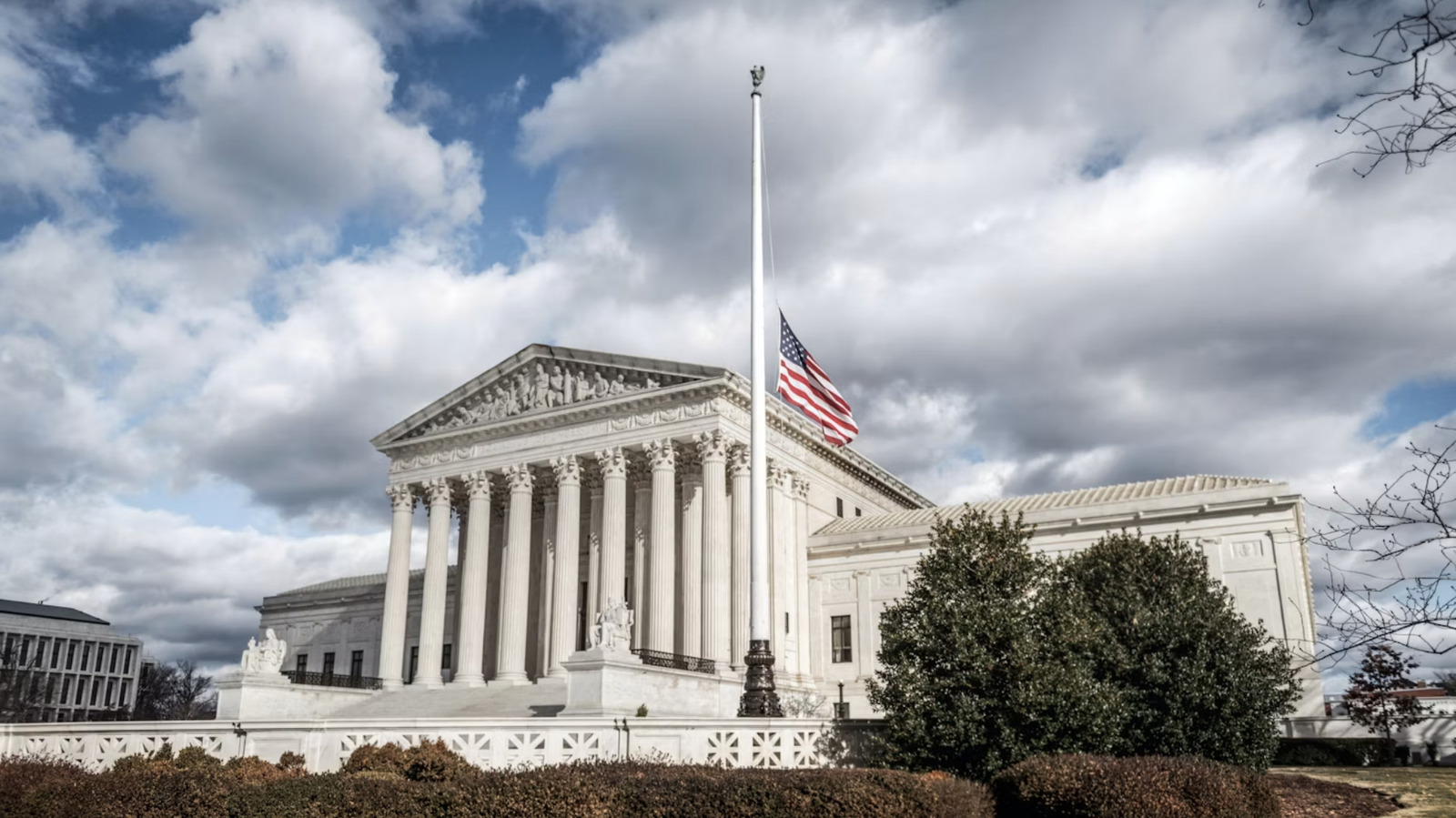
The U.S. Supreme Court has issued a major privacy ruling that restricts law enforcement use of geofence warrants, a surveillance technique that asks technology companies to identify devices present near a crime scene during a specific window of time. In a 6-3 decision, the court said individuals have a reasonable expectation of privacy in their cellphone location information, placing new constitutional limits on a tool that has become increasingly important in digital investigations.
The ruling matters because geofence searches reverse the traditional order of suspicion. Instead of investigators first identifying a suspect and then seeking records tied to that person, police can ask a company to search a large pool of location data to find everyone who was in a defined area. That approach has drawn criticism from privacy advocates for sweeping in people who are not suspected of wrongdoing. The court’s decision now sharply narrows that practice.
According to the source report, Justice Elena Kagan said geofence warrants violate the Fourth Amendment’s ban on unreasonable searches. The decision means law enforcement agencies will have to obtain an actual search warrant to compel a technology company to turn over geofence location data. That is a meaningful shift because search warrants require probable cause, while geofence warrants, as described in the report, do not.
Why geofence warrants became so controversial
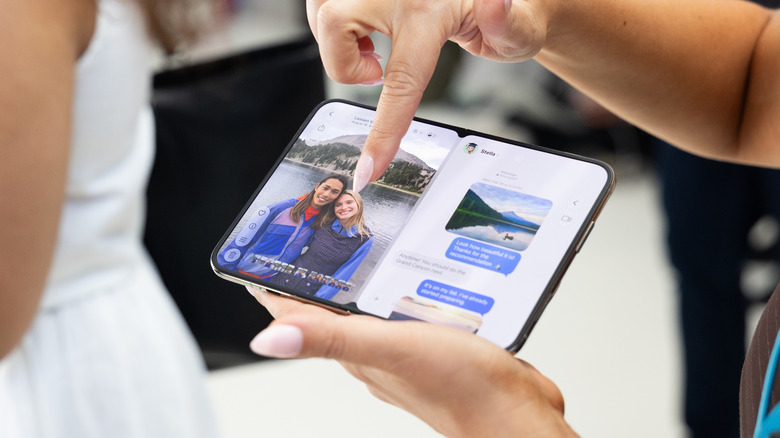
Geofence requests emerged as a powerful investigative shortcut in the smartphone era. Because many phones continuously generate location signals through system services and apps, large technology platforms can retain records that show which devices were present in particular places at particular times. For police, that can be useful when a case has no obvious suspect. For civil-liberties critics, it creates the possibility of mass search by default.
The case behind the ruling illustrates both sides of that argument. It involved a Virginia bank robbery in which a man stole $195,000. The investigation reportedly stalled until detectives served Google with a geofence warrant seeking location information for cellphone users near the bank during the hour before and after the crime. Google did not fully hand over all of the data initially identified, instead providing police with three of the 19 people tagged as being near the bank. One of those three was the culprit, and Okello Chatrie later confessed.
That outcome helped make the case a difficult one politically and legally. Supporters of geofence searches could point to a serious crime solved through digital evidence. Opponents could point to the larger constitutional question: whether the government may require a private company to search through the records of many people first and only sort out suspicion later. Chatrie’s attorneys argued that such searches invert the Fourth Amendment by allowing the government to search first and develop suspicions afterward.

The broader privacy principle
The court’s ruling appears to endorse a stronger principle around location privacy. Cellphone location data is uniquely revealing because it can place a person not only at one moment in time, but within patterns of movement, association, and routine. A dataset built for commercial or technical purposes can therefore become a detailed map of daily life when accessed by the state.
The government’s position, as summarized in the source material, was that this information should not receive constitutional protection because users effectively choose to share it by not disabling system-wide geotracking services and background app tracking. The court rejected that view strongly enough to produce a clear majority. That is significant beyond this case because it suggests the justices were not persuaded by the argument that practical use of modern phones amounts to blanket consent for state access.
In effect, the ruling recognizes that the default operation of a smartphone should not erase privacy expectations. That does not make location evidence unavailable to investigators. It means access must meet a stricter legal threshold. A warrant based on probable cause is still a substantial investigative tool. What changes is that companies cannot be forced as easily to trawl through broad stores of location data on behalf of the government.
Immediate and longer-term effects
One immediate consequence is operational. Police departments and prosecutors that relied on geofence requests will need to reassess investigative procedures. Cases built around broad location sweeps may face tougher scrutiny, while future requests to technology companies will have to be framed within the more demanding standards attached to a real search warrant.
There are still open questions. The source report says it is not yet clear how the decision will affect past cases that used geofence warrants. It also says the ruling is not expected to change Chatrie’s sentence. That limits the direct personal effect in the case that brought the issue to the court, but it does not reduce the ruling’s broader legal importance. A constitutional boundary has now been drawn around a fast-growing form of digital evidence gathering.
The decision also adds pressure on technology companies to think about how they store, govern, and respond to location data requests. Firms that hold these records sit at the center of a recurring conflict between public safety demands and privacy obligations. Even when companies resist or narrow requests, they remain the gatekeepers of highly sensitive information. A clearer constitutional standard may simplify some future disputes, but it will not remove the strategic importance of location-data policy inside the tech sector.
A digital rights case with national implications
This ruling stands out because it reaches beyond one surveillance method. It signals that courts are still actively defining how longstanding constitutional protections apply to the mechanics of modern computing. Geofence warrants were attractive precisely because they turned ordinary commercial data into a broad investigative net. The Supreme Court has now said that convenience does not override the privacy interest attached to that information.
For privacy advocates, that makes the decision a notable win. For law enforcement, it is a constraint that will require more targeted justification when seeking location records. For the public, it is a reminder that some of the most important privacy fights no longer center on what people say or search, but on the constant trail of signals their devices emit simply by being carried through the world.
- The Supreme Court ruled 6-3 that people have a reasonable expectation of privacy in cellphone location information.
- The decision restricts geofence warrants and requires a true search warrant with probable cause for access to that data.
- The case stemmed from a Virginia bank robbery investigation that used Google location data to identify people near the scene.
This article is based on reporting by Engadget. Read the original article.
Originally published on engadget.com

![These are my favorite iPhone 18 Pro & Pro Max cases so far [Video] - 9to5Mac](https://9to5mac.com/wp-content/uploads/sites/6/2026/09/Cases.jpg?quality=82&strip=all&resize=1200,628)