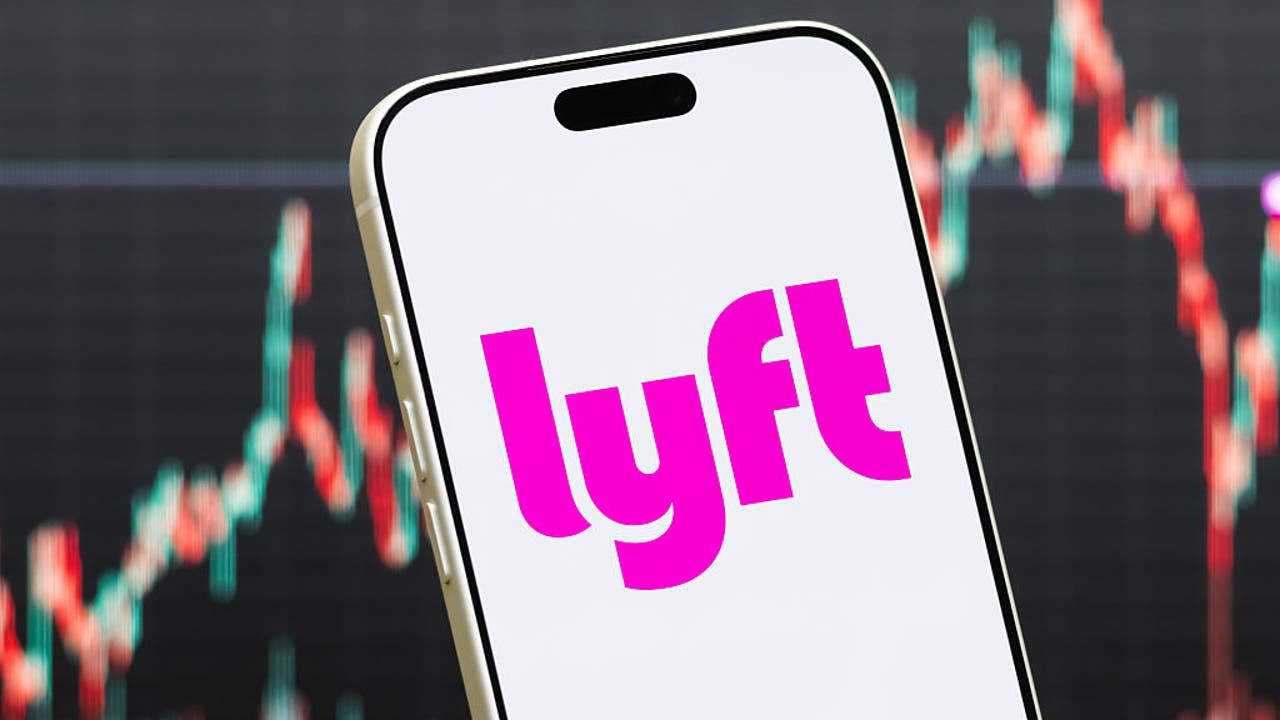
The ride-hailing platform Lyft has agreed to pay $272.5 million to settle a worker classification lawsuit brought by the state of California, according to reporting from Engadget. The case, filed in 2020, named both Lyft and Uber and alleged that the companies misclassified employees as contractors. The agreement stands as one of the more consequential financial resolutions to emerge from a legal dispute that has shaped how gig economy businesses operate in the most populous state in the country.
The core question in the case was never limited to a single company. California challenged a business model built on the premise that drivers are not workers on a payroll but independent operators who use an app to connect with paying riders. The state argued in 2020 that this arrangement denied drivers the protections and benefits that employment status normally carries. Lyft's decision to settle for $272.5 million is the latest chapter in that argument.
What the lawsuit alleged
California's 2020 action accused both Lyft and Uber of misclassification — treating drivers as independent contractors when, in the state's view, they functioned as employees. The distinction is not a matter of labels. It determines who pays payroll taxes, who carries workers' compensation insurance, whether minimum wage and overtime rules apply, and whether drivers can access unemployment benefits or employer-subsidized health coverage.
Because the suit named two of the largest ride-hailing companies in the world, it quickly became a test of how far states can go in redefining the contractor relationship at the heart of the gig economy. A settlement of this size signals that the dispute carried real financial exposure for the companies involved, and that litigation risk alone could reshape how platforms structure their relationships with the people who do the work.

Why worker classification carries such weight
For companies, the contractor model is far cheaper to operate. For workers, the trade-off is more complicated, which is why the issue has proved so durable and so polarizing.
- Employment status: Employees generally receive a defined set of legal protections, including minimum wage guarantees, overtime pay, and protection against unlawful deductions.
- Benefits access: Health coverage, paid leave, and retirement contributions are typically tied to employment rather than to independent contracting arrangements.
- Safety nets: Unemployment insurance and workers' compensation are usually funded through employer contributions, and they are generally unavailable to independent contractors.
- Cost shifting: Contractors often absorb expenses such as fuel, maintenance, insurance, and vehicle depreciation that an employer would otherwise cover.
- Flexibility: Platforms argue that contractor status preserves the scheduling freedom that draws many drivers to the work in the first place.
Those trade-offs explain why classification fights rarely stay confined to a courtroom. They touch tax revenue, labor law, insurance markets, and the daily economics of hundreds of thousands of workers.
What is still unknown
The headline figure — $272.5 million from Lyft — is clear. Many of the mechanics behind the agreement are not. It is not yet established publicly how the payment will be structured, over what period it would be made, or precisely which claims it resolves. The original lawsuit involved both Lyft and Uber, and the reported settlement addresses Lyft's portion of the dispute, leaving open how the remaining elements of the case proceed.
That uncertainty matters for drivers who may be watching for a direct remedy. Class action resolutions and state enforcement actions can distribute funds in very different ways, and the timing can stretch well beyond the announcement of an agreement. Anyone expecting an immediate payout should treat the reported number as a settlement commitment rather than a completed distribution.

The broader fight over gig work
California's 2020 lawsuit was one front in a much larger conflict. Across the country and around the world, regulators, courts, and legislatures have spent years debating whether app-based work resembles traditional employment or a genuinely new category that sits outside it.
Labor advocates argue that the contractor label is often applied to work that is tightly directed by a platform, from assigned tasks to performance metrics and deactivation policies. Platform companies counter that drivers value the ability to log on and off at will, and that converting them to employees would strip away that flexibility while raising prices for riders.
Both arguments have found traction in different venues, which is why the question keeps returning. Each settlement, ruling, or new rule creates a precedent that the next case must reckon with. Lyft's agreement adds another data point to that accumulating record.
What it could mean for drivers and riders
For drivers, the most direct consequence of any classification settlement is financial — either through direct compensation or through changes to how they are engaged. For riders, the effects tend to arrive indirectly, in the form of pricing, availability, and the operational choices platforms make when their labor costs shift.
It is too early to say whether this agreement will prompt broader changes to how Lyft contracts with drivers in California or elsewhere. Companies facing large settlements sometimes adjust practices to reduce future exposure; they also sometimes absorb the cost and continue operating as before. The reported figure is large enough that it may factor into strategic decisions, but the source material does not establish what operational changes, if any, will follow.

Key takeaways
- Lyft has agreed to pay $272.5 million to settle a worker classification lawsuit.
- The case was filed by the state of California in 2020 and named both Lyft and Uber, alleging employees were misclassified as contractors.
- Classification determines access to minimum wage, overtime, unemployment insurance, workers' compensation, and employer-provided benefits.
- Details of payment structure, timing, and allocation have not been publicly established.
- The settlement lands amid a long-running national and international debate over the status of gig economy workers.
The agreement does not resolve that debate. It does, however, put a price on one state's attempt to enforce its own answer, and it gives both platforms and their critics a new benchmark for what the fight over contractor status is worth.
This article is based on reporting by Engadget. Read the original article.
Originally published on engadget.com