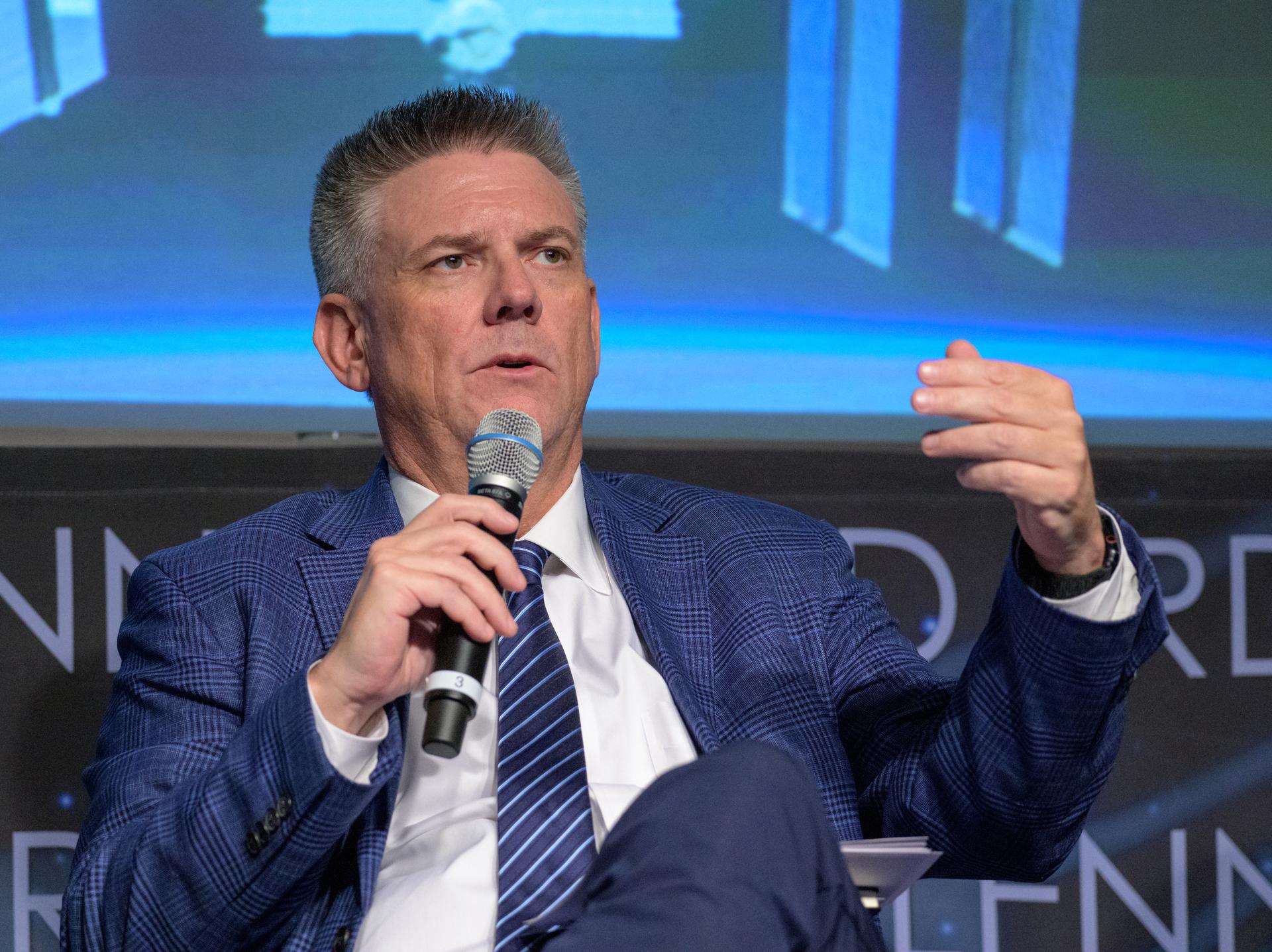
महत्त्वाच्या कार्यात्मक क्षणी NASA मधील नेतृत्वबदल
NASA ने ब्रायन ह्यूजेस यांना वरिष्ठ संचालक, लॉन्च ऑपरेशन्स म्हणून नियुक्त केले आहे, ज्यामुळे ते एजन्सीत परत येत असून अमेरिकेत नागरी, व्यावसायिक, आणि राष्ट्रीय सुरक्षा मोहिमांसाठी वाढत चाललेल्या लॉन्च गतीचे केंद्रबिंदू बनतात. फ्लोरिडातील केनेडी स्पेस सेंटरमध्ये तैनात राहून आणि वॉशिंग्टनमधील NASA मुख्यालयाला अहवाल देत, ह्यूजेस केवळ केनेडीच नव्हे तर व्हर्जिनियातील वॉलॉप्स फ्लाइट फॅसिलिटीमधील लॉन्च ऑपरेशन्सचाही देखरेख करतील.
वरकरणी ही एक वरिष्ठ कर्मचाऱ्यांची नेमणूक आहे. प्रत्यक्षात, NASA च्या लॉन्च पायाभूत सुविधांमध्ये किती बदल झाला आहे याचे ते लक्षणही आहे. संस्था आता केवळ अधूनमधून होणाऱ्या सरकारी मोहिमांनी ठरवलेल्या वातावरणात काम करत नाही. ती आता सार्वजनिक आणि खासगी क्रियाकलापांचा मिलाफ असलेल्या, वाढत्या लॉन्च वारंवारतेच्या, आणि व्यावसायिक कंपन्या, राष्ट्रीय सुरक्षा घटक, स्थानिक प्राधिकरणे, आणि संघीय नेतृत्व अशा व्यापक भागधारकांनी बनलेल्या स्पेसपोर्ट परिसंस्थेचे व्यवस्थापन करत आहे.
NASA च्या मते, ह्यूजेस उद्यम-स्तरीय नेतृत्व, धोरणात्मक दिशा, आणि लॉन्च पायाभूत सुविधांचे कार्यात्मक निरीक्षण देतील. हा शब्दप्रयोग महत्त्वाचा आहे. ही फक्त पॅड लॉजिस्टिक्स किंवा लॉन्च-डेसच्या प्रक्रियापुरती मर्यादित संकुचित तांत्रिक भूमिका नाही. ही एक क्रॉस-कटिंग व्यवस्थापन भूमिका आहे, ज्याचा उद्देश पायाभूत सुविधा, धोरणात्मक प्राधान्ये, आणि आंतर-संस्थात्मक संबंधांचे समन्वयन करणे हा आहे, अशा काळात जेव्हा अवकाश क्षेत्र वेगाने पुढे जात असून अधिक गजबजत आहे.
ही नेमणूक केवळ व्यक्तीपुरती का नाही
एजन्सीने ह्यूजेसच्या भूमिकेला NASA च्या स्पेसपोर्ट्सना आधार देणाऱ्या भागधारकांमधील अधिक चांगल्या समन्वयाशी, लॉन्च वारंवारतेत वाढीसोबत, आणि राष्ट्राध्यक्षांच्या राष्ट्रीय अवकाश धोरणाच्या अंमलबजावणीच्या समर्थनाशी थेट जोडले आहे. ही तीन उद्दिष्टे अमेरिकेतील लॉन्च ऑपरेशन्सची सध्याची वास्तविकता दाखवतात. स्पेसपोर्ट्सना आता अधिक वापरकर्त्यांना सेवा द्यावी लागते, अधिक वारंवार होणाऱ्या क्रियाकलापांचे व्यवस्थापन करावे लागते, आणि राष्ट्रीय पायाभूत सुविधांकडून अपेक्षित असलेली विश्वासार्हता न गमावता हे सर्व करावे लागते.
त्यामुळे लॉन्च ऑपरेशन्स हे केवळ प्रशासकीय काम न राहता एक धोरणात्मक कार्य बनते. केनेडी आणि वॉलॉप्समधून अधिक मोहिमा जात असताना, वेळापत्रक, पायाभूत तयारी, सुरक्षा व्यवस्थापन, आणि आंतर-एजन्सी समन्वय हे सर्व अधिक कठीण होते. प्रमुख लॉन्च स्थळांवर थेट अधिकार असलेली नेतृत्वाची भूमिका NASA ला ही गुंतागुंत हाताळण्यात मदत करू शकते, विशेषतः व्यावसायिक वाढ आणि सरकारी मिशन गरजा दोन्ही वेगाने वाढत असताना.
NASA प्रशासक Jared Isaacman यांनी ही नेमणूक ह्यूजेसच्या ऑपरेशनल कौशल्य, धोरणात्मक नेतृत्व, आणि उच्च सरकारी पातळ्यांवरील सार्वजनिक सेवेचा मिलाफ म्हणून मांडली. एजन्सीच्या निवेदनात त्यांना केवळ विद्यमान व्यवस्था टिकवणारा नव्हे, तर लॉन्च ऑपरेशन्सचे भविष्य घडविण्यास मदत करणारा व्यक्ती म्हणून सादर केले आहे. अमेरिकेच्या अवकाश कृतीतील व्यापक बदलाशी हे जुळते, जिथे प्रश्न आता लॉन्च मागणी वाढेल का हा नसून, संस्थांनी त्या मागणीला कसे जुळवून घ्यायचे हा आहे.

ह्यूजेसकडे व्हाइट हाऊस, नगरपालिका, आणि लष्करी अनुभव आहे
ह्यूजेस यांनी अलीकडे NASA च्या चीफ ऑफ स्टाफ म्हणून काम पाहिले, जिथे संस्थात्मक प्राधान्ये आणि निर्णयप्रक्रिया पुढे नेण्यात त्यांनी मदत केली, असे NASA म्हणते. NASA पूर्वी, त्यांनी व्हाइट हाऊसमध्ये धोरणात्मक संवादांसाठी डेप्युटी नॅशनल सिक्युरिटी अॅडव्हायझर म्हणून काम केले, ही राष्ट्रीय सुरक्षा विषयांवरील धोरण आणि संदेशवहनाशी संबंधित भूमिका होती. त्यांनी जॅक्सनव्हिलच्या शहर प्रशासनातही काम केले, जिथे त्यांनी 7,000 पेक्षा जास्त कर्मचाऱ्यांच्या कार्यबलावर देखरेख केली आणि सार्वजनिक सुरक्षा, पायाभूत सुविधा, आणि आपत्कालीन व्यवस्थापन यांचा समावेश असलेल्या अब्जावधी डॉलरच्या अंदाजपत्रकाचे व्यवस्थापन केले.
कारकिर्दीच्या सुरुवातीला, ह्यूजेस हे जॅक्सनव्हिलचे माजी महापौर Lenny Curry यांचे चीफ ऑफ स्टाफ होते, आणि आर्थिक विकासावर लक्ष केंद्रित करणाऱ्या Downtown Investment Authority चे मुख्य कार्यकारी अधिकारी म्हणूनही त्यांनी काम केले. ते अमेरिकन एअर फोर्सचे माजी सैनिक आहेत, ज्यांनी गल्फ वॉर दरम्यान मध्य पूर्वेवरील ऑपरेशन्समध्ये KC-135 एअरक्रू सदस्य म्हणून सेवा दिली.
एकूणच, ही पार्श्वभूमी पारंपरिक एरोस्पेस अभियांत्रिकीपेक्षा मोठ्या संस्था चालवणे, भागधारकांना संरेखित करणे, आणि उच्च-परिणामी ऑपरेशन्सचे व्यवस्थापन यांच्याशी अधिक संबंधित आहे. NASA चे वर्णन नेमके हेच मिश्रण हवे आहे, हे स्पष्ट करते. लॉन्च वातावरणात, जिथे क्षेत्रांमधील समन्वयावर अवलंबून राहावे लागते, नेतृत्वाचा अनुभव तांत्रिक विशेषीकरणाइतकाच महत्त्वाचा ठरू शकतो, विशेषतः उद्यम-स्तरीय देखरेखीभोवती बांधलेल्या भूमिकेत.
केनेडी आणि वॉलॉप्स हे मोठ्या संक्रमणाचा भाग आहेत
केनेडी स्पेस सेंटर हे अमेरिकन अवकाश कृतीतील सर्वात दृश्यमान केंद्रांपैकी एक राहिले आहे, नागरिक आणि व्यावसायिक लॉन्च ऑपरेशन्समध्ये त्याची मध्यवर्ती भूमिका आहे. वॉलॉप्स, जरी सार्वजनिक प्रोफाइलमध्ये लहान असले तरी, एक महत्त्वाचे कार्यात्मक ठिकाण आहे. ह्यूजेसकडे दोन्हींची थेट जबाबदारी देऊन NASA अधिक एकात्मिक स्पेसपोर्ट व्यवस्थापन पद्धतीला बळ देत असल्याचे दिसते.
एजन्सीचे निवेदन या नेमणुकीला एका व्यापक प्रवाहात ठेवते: तिच्या पायाभूत सुविधांमधील लॉन्च क्रियाकलापांचा वाढता पोर्टफोलिओ. ही ओळ सूचित करते की बदल एखाद्या एकाच घटनेची प्रतिक्रिया नसून सातत्यपूर्ण मागणीसाठी केलेल्या दीर्घ पुनर्रचनेचा भाग आहे. लॉन्च वारंवारता वाढत असताना, कार्यात्मक आव्हान फक्त अधिक रॉकेट्स हाताळणे एवढेच नसते. त्यात ग्राउंड सिस्टिम्स, सहाय्यक सेवा, स्थानिक समन्वय, नियामक अनुपालन, आणि अनेक मिशन प्रकारांना कोणतीही कोंडी न होऊ देता जुळवून आणण्याची क्षमता यांचाही समावेश असतो.
NASA साठी लॉन्च पायाभूत सुविधा आता अन्वेषण धोरण, औद्योगिक क्षमता, आणि राष्ट्रीय स्पर्धात्मकता यांच्या संगमावर आहे. जर लॉन्च वारंवारता ही धोरणात्मक गतीची मोजमाप असेल, तर स्पेसपोर्ट ऑपरेशन्सची गुणवत्ता ही राष्ट्रीय क्षमतेचा प्रश्न बनते. त्यामुळे उद्यम-व्याप्ती असलेली वरिष्ठ संचालक भूमिका म्हणजे लॉन्च ऑपरेशन्सना आता कार्यकारी-स्तरीय लक्ष आवश्यक आहे, याची कबुली आहे.

NASA च्या पुढील टप्प्यासाठी संकेत
ह्यूजेस यांची नेमणूक कोणतेही नवीन रॉकेट, नवीन अंतरिक्षयान, किंवा नवीन मिशन आर्किटेक्चर जाहीर करत नाही. पण NASA कुठे ताण वाढत असल्याचे मानते, याबद्दल ती अर्थपूर्ण गोष्ट सांगते. संस्था अशा प्रणालींवर नेतृत्वाचे लक्ष देत आहे, ज्या मोठ्या प्रमाणावर क्रियाकलाप शक्य करतात. हार्डवेअर किंवा उड्डाण वेळापत्रकांमध्ये ते दिसण्यापूर्वी संस्थात्मक बदल अनेकदा अशा प्रकारेच दिसतो.
NASA चे सूत्र सोपे आहे: समन्वय मजबूत करणे, वारंवारता वाढवणे, आणि अवकाशात अमेरिकन नेतृत्व सुरू ठेवण्यास मदत करणे. या वाक्यरचनेमागे संपूर्ण क्षेत्रात सामायिक असलेले एक व्यावहारिक आव्हान आहे. अवकाश महत्त्वाकांक्षा ही जमिनीवरील संघटनावर अवलंबून असते. पॅड, सुविधा, वेळापत्रक, देखरेख, आणि स्थानिक अंमलबजावणी यांना लॉन्चसारखी झगमगाट नसली, तरी त्यांच्याशिवाय लॉन्च अर्थव्यवस्था ठप्प होते.
या मूलभूत घटकांवर केंद्रित भूमिकेत ह्यूजेस यांना परत आणून NASA सूचित करत आहे की लॉन्च पायाभूत सुविधा व्यवस्थापन आता एक मुख्य धोरणात्मक चिंता आहे. स्पेसपोर्ट्सचा वापर वाढत असताना आणि सरकारी व खासगी ऑपरेटर्समधील दुवे अधिक घट्ट होत असताना, ही चिंता येत्या वर्षांतही केंद्रस्थानी राहण्याची शक्यता आहे.
हा लेख NASA च्या वार्तांकनावर आधारित आहे. मूळ लेख वाचा.
Originally published on nasa.gov