
प्रक्षेपणापलीकडे पाहण्याचा मुद्दा
व्यावसायिक अंतराळ उद्योग अजूनही प्रगतीचे मोजमाप प्रक्षेपणाची वारंवारता, रॉकेटचा आकार, आणि उपयोजनाच्या प्रमाणावर करण्याकडे झुकतो. SpaceNews मध्ये मांडलेला नवीन रोडमॅप सांगतो की हा दृष्टिकोन खूपच अरुंद आहे आणि वाढीवरील पुढची मर्यादा आता भूस्थळीपेक्षा कक्षीय अधिक आहे. प्रस्तावित उत्तर म्हणजे space-to-space, किंवा S2S, अर्थव्यवस्था, जी उपग्रहांची सेवा, आधीच कक्षेत असलेल्या संसाधनांचे एकत्रीकरण, आणि वापराच्या ठिकाणाजवळ पायाभूत सुविधा निर्माण करणे यांवर केंद्रित आहे.
हा युक्तिवाद एका व्यावहारिक निरीक्षणापासून सुरू होतो: आजच्या अंतराळ-अर्थव्यवस्थेतील बहुतेक मूल्य उपग्रह निर्माण करतात, रॉकेट नाही. तरीही लो अर्थ ऑर्बिटमधील सक्रिय वस्तूंची संख्या झपाट्याने वाढत आहे, आणि लेखात सांगितल्याप्रमाणे एकूण संख्या दर दोन वर्षांनी दुप्पट होते. त्या वेगामुळे गर्दी निर्माण होते, जी केवळ प्रक्षेपणवाढीने सोडवता येत नाही.
आर्थिक समस्येच्या रूपात कक्षीय गर्दी
वाहतूक वाढत गेली की, धडक टाळण्यासाठी उपग्रहांना अधिक हालचाली कराव्या लागतात. त्या हालचाली प्रणोदक खर्च करतात, संचालन खर्च वाढवतात, आणि मोहिमेचे आयुष्य कमी करतात. याचा परिणाम म्हणजे वाढती अकार्यक्षमता. स्टेशन-कीपिंगसाठी अधिक इंधन जळणे म्हणजे अधिक बदल्या, कन्स्टेलेशन्स पुन्हा भरायला अधिक प्रक्षेपण, आणि आयुष्याच्या शेवटी अधिक टाकून दिलेले हार्डवेअर.
सध्या प्रमुख प्रतिसाद म्हणजे मोहिमा संपल्यावर उपग्रहांना डीऑर्बिट करणे. रोडमॅपचा युक्तिवाद आहे की यामुळे आधीच प्रक्षेपणाचा खर्च पेललेले हार्डवेअर आणि महत्त्वाची खनिजे नष्ट होतात. त्या चौकटीत, कक्षीय गर्दी ही केवळ अवशेष किंवा सुरक्षिततेची समस्या नाही. ती संसाधन-व्यवस्थापनाचीही समस्या आहे, जी अंतराळ वातावरणाला एकमार्गी लॉजिस्टिक्स चेन म्हणून वागवल्यामुळे निर्माण होते.
प्रस्तावित तीन-भागी S2S मॉडेल
- Capture, Service, and Transport: इंधन भरणे, लॉजिस्टिक्स, आणि दुरुस्तीसाठी.
- Satellite Recycling: अवशेष एकत्र करणे आणि साहित्य फीडस्टॉकमध्ये प्रक्रिया करण्यासाठी.
- In-Space Manufacturing: कक्षीय साहित्यापासून नवीन हार्डवेअर तयार करण्यासाठी.
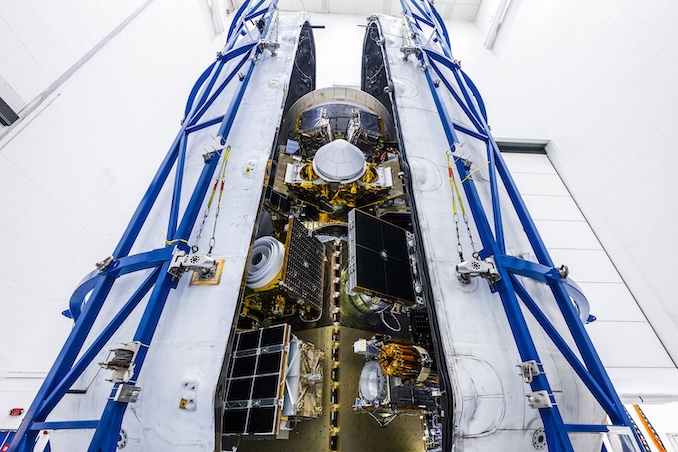
या प्रस्तावात डिपो का केंद्रीय आहेत
अशा कोणत्याही प्रणालीसाठी ऑर्बिटल डिपो हे महत्त्वाचे पायाभूत घटक असल्याचे रोडमॅप ओळखतो. उपग्रहांची दुरुस्ती, पुन्हा इंधन भरणे, साहित्य मिळवणे, किंवा उत्पादनासाठी इनपुट म्हणून वापर करायचा असेल, तर त्या क्रियांसाठी साठवण, प्रक्रिया, आणि हस्तांतरण यांसाठी स्थानिक केंद्रे आवश्यक आहेत. थोडक्यात, लेख खर्ची मशीन्सऐवजी अधिक पुनरुत्पादक कक्षीय अर्थव्यवस्थेकडे वळण्याची कल्पना मांडतो.
ही अद्याप दीर्घकालीन दृष्टी आहे, पण ती अंतराळ धोरणातील व्यापक प्रवाहाशी जुळते: एकदा एखादा क्षेत्र गर्दीचे आणि आर्थिकदृष्ट्या महत्त्वाचे झाले की, पुनर्वापर आणि लॉजिस्टिक्स अधिक महत्त्वाचे होऊ लागतात. प्रक्षेपणाने सीमेचा दरवाजा उघडला. टिकाऊ ऑपरेशन्ससाठी पायाभूत सुविधा लागतात.
ही संक्रमण केवळ तांत्रिक क्षमता निर्माण करणार नाही, यावरही टिप्पणी भर देते. त्यासाठी नियमन, वित्तपुरवठा यंत्रणा, खरेदी संकेत, आणि संस्थात्मक बांधिलकी लागते, असे ती सूचित करते. ही कथेतली महत्त्वाची बाब आहे, कारण ऑर्बिटल सर्व्हिसिंग आणि रीसायकलिंग व्यवसायांना अनेकदा chicken-and-egg समस्येला सामोरे जावे लागते. ग्राहक बांधिलकीपूर्वी विश्वासार्ह पायाभूत सुविधा मागतात, तर पायाभूत सुविधा पुरवठादार गुंतवणुकीपूर्वी मागणीची खात्री मागतात.
दृष्टीपासून टर्निंग पॉइंटपर्यंत
रोडमॅप यशाची व्याख्या अशी करतो की ज्या टर्निंग पॉइंटपर्यंत व्यावसायिक गती ही व्यवस्था स्वतः टिकवू शकेल. म्हणजेच, जवळच्या काळातील उद्योगाचे आव्हान एकदम पूर्ण, वर्तुळाकार कक्षीय अर्थव्यवस्था उभारणे नाही, तर टिकाऊ मागणीला आधार देऊ शकतील अशा पहिल्या सेवा शोधणे आहे. इंधन भरणे, आयुष्य वाढवणे, अवशेष एकत्रीकरण, आणि उच्च-मूल्य घटक पुनर्प्राप्ती हे संभाव्य प्रारंभिक पर्याय आहेत, कारण ते ऑपरेटरच्या तातडीच्या वेदनांवर उपाय करतात.
तरीही, हा प्रस्ताव अद्याप बाजारपुराव्यापेक्षा अधिक रोडमॅप आहे. स्रोत मजकुरात कार्यरत ऑर्बिटल डिपो किंवा स्थापित रीसायकलिंग उद्योग दाखवलेला नाही. तो फक्त असा संरचित युक्तिवाद देतो की गर्दीची अर्थव्यवस्था अखेरीस उपग्रहांना वापरून फेकण्याजोगे अंतिम बिंदू मानणे सोडायला क्षेत्राला भाग पाडेल.
सध्याचे प्रवाह या युक्तिवादाला विश्वासार्हता देतात. मोठ्या कन्स्टेलेशन्स म्हणजे अधिक बदल्यांची चक्रे. गर्दीच्या कक्षीय कवचांमध्ये अधिक वस्तू असणे म्हणजे धडक धोका आणि संचालनात्मक भार दोन्ही वाढतात. हे दडपण असेच राहिले, तर सर्व्हिस करता येणाऱ्या अंतराळयानांचे आणि पुन्हा वापरता येणाऱ्या कक्षीय साहित्याचे आकर्षण मोजणे अधिक सोपे होते.

अंतराळ चर्चेतील बदलाचे लक्षण
या लेखाचा सर्वात महत्त्वाचा भाग कदाचित संकल्पनात्मक आहे. तो अंतराळ उद्योगाच्या चर्चेत प्रवेशापासून टिकाऊपणाकडे होत असलेल्या बदलाचे प्रतिबिंब आहे. अनेक वर्षे मुख्य प्रश्न असा होता की प्रक्षेपण इतके स्वस्त आणि वारंवार होऊ शकते का की अधिक क्रियाकलाप उघडतील. आता प्रश्न वाढत्या प्रमाणात असा आहे की हे सर्व हार्डवेअर पोहोचल्यावर काय होते.
त्या अर्थाने, S2S रोडमॅप ही भविष्यवाणी नसून बदलत्या प्राधान्यांची खूण आहे. तो सांगतो की अंतराळ अर्थव्यवस्थेचा पुढचा प्रौढ टप्पा प्रक्षेपणापुरता न मर्यादित राहता कक्षीय लॉजिस्टिक्स, देखभाल, आणि साहित्य पुनर्वापर यांवर अवलंबून असू शकतो. कालमर्यादा कितीही आशावादी ठरली, तरी यात ओळखलेली मूलभूत समस्या खरी आहे: गर्दीचे कक्षीय वातावरण उद्योगाला फक्त अंतराळात पोहोचणारा उद्योग म्हणून नव्हे, तर अंतराळातील अर्थव्यवस्था म्हणून विचार करण्यास भाग पाडत आहे.
हा लेख SpaceNews च्या वृत्तांकनावर आधारित आहे. मूळ लेख वाचा.
Originally published on spacenews.com