अवकाशाचा प्रश्न, जो पृथ्वीपासून सुरू होतो
astrobiology मधील सर्वात जुने प्रश्नांपैकी एक सर्वात अस्वस्थ करणारेही आहे: जर बुद्धिमान जीवन आकाशगंगेत कुठेतरी शक्य असेल, तर त्याची स्पष्ट चिन्हे आपल्याला का दिसत नाहीत? एक नवीन संशोधनपत्र हा कोड थेट न उलगडता, पण अधिक जमिनीवरचा प्रश्न आधी विचारून पाहते. कोणत्या प्रकारच्या जागतिक तांत्रिक सभ्यता टिकून राहू शकतात, आणि कोणत्या कोसळण्याची अधिक शक्यता आहे?
Projections of Earth's Technosphere: Civilization Collapse-Recovery Dynamics and Detectability या शीर्षकाचा हा अभ्यास arXiv वर उपलब्ध आहे, आणि त्याचे नेतृत्व स्पेनमधील Centro de Astrobiologíaच्या Celia Blanco आणि सिएटलमधील Blue Marble Space Institute of Science यांनी केले आहे. article summary नुसार, हे काम 10 वेगवेगळ्या प्रकारच्या जागतिक तांत्रिक सभ्यतांचा अभ्यास करते, त्या स्वतःचे शासन कसे करतात, संसाधने कशी वापरतात, आणि पतनानंतर कशा सावरतात, हे पाहून कोणत्या टिकतील आणि कोणत्या नष्ट होण्याची शक्यता आहे याचा अंदाज घेतो.
Fermi paradox चे व्यवहार्य रूप
मोठी पार्श्वभूमी Fermi paradox, ज्याला Great Silence असेही म्हटले जाते: अब्जावधी वर्षे जुनी आकाशगंगा, तत्त्वतः, बुद्धिमान सभ्यता उदयास येण्यासाठी आणि पसरण्यासाठी पुरेसा वेळ देणारी असायला हवी; तरीही त्यांचे स्पष्ट पुरावे नाहीत. एक प्रस्तावित स्पष्टीकरण Great Filter ही संकल्पना आहे, म्हणजे साध्या जीवनापासून तांत्रिकदृष्ट्या प्रगत, detectable civilization पर्यंतच्या प्रवासात कुठेतरी असलेला अत्यंत अशक्य अडथळा.
Blanco आणि सहलेखक Great Filter थेट ओळखतो आहोत असा दावा करत नाहीत. त्याऐवजी ते collapse, persistence आणि recovery यांना त्या व्यापक कोड्याचे भाग मानतात. त्यांचा प्रश्न साधा पण खोल आहे: एक तांत्रिक सभ्यता किती काळ सक्रिय राहते, ती का कोसळते, आणि कोसळली तर सावरण्यास किती वेळ लागतो?
हे प्रश्न केवळ काल्पनिक extraterrestrial life साठीच नव्हे, तर मानवजातीच्या स्वतःच्या भविष्यातील वाटचालीसाठीही महत्त्वाचे आहेत. त्या अर्थाने, हे paper astrobiology, systems thinking आणि planetary self-reflection यांच्या छेदनबिंदूवर आहे.

Collapse एकच घटना नाही, अनेक शक्यता आहेत
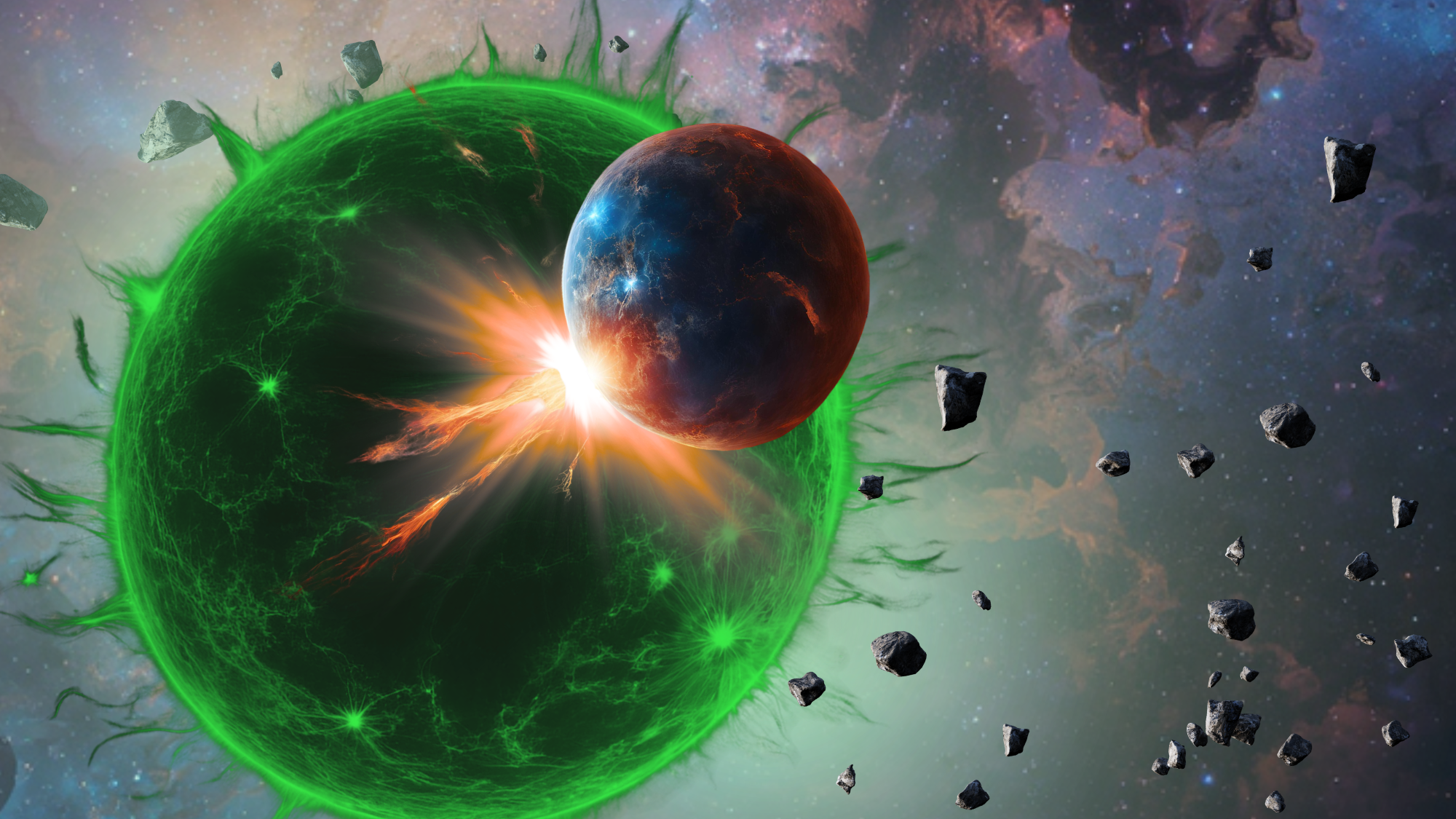
मानवी इतिहासात अनेक उदाहरणे आहेत जिथे समाज कमजोर झाले किंवा नाहीसे झाले, आणि विद्वानांनी collapse ला वाढती inequality आणि elites वर घटत जाणारा विश्वास अशा घटकांशी दीर्घकाळ जोडले आहे. नवीन अभ्यास हेच तर्क जागतिक तांत्रिक सभ्यतेच्या पातळीवर नेतो. सर्वात महत्त्वाचा बदल म्हणजे collapse ला एकसारखा परिणाम मानलेले नाही. तो governance, resource use, आणि breakdown नंतर system पुन्हा उभे राहण्याच्या क्षमतेवर अवलंबून असतो.
हे महत्त्वाचे आहे, कारण त्यामुळे एक नाट्यमय संकल्पना अधिक विश्लेषणयोग्य बनते. एक सभ्यता संसाधने अतिवापरू शकते, लाभ असमान वाटू शकते, किंवा धक्क्यानंतर पुन्हा बांधणी करण्यात अपयशी ठरू शकते. दुसरी disruption सहन करूनही इतकी resilient असू शकते की recover होईल. अभ्यासाच्या framing मध्ये detectability देखील या गतीशीलतेवर अवलंबून असू शकते. जलद उभी राहून जलद कोसळणारी सभ्यता कदाचित केवळ खूपच अरुंद observational window मागे ठेवते.
astrobiology च्या दृष्टीने हे फार महत्त्वाचे आहे. आकाशगंगा कदाचित बुद्धिमत्तेपासून रिकामी नसू शकते. फक्त इतकेच की अनेक सभ्यतांचे detectable phases लहान, मधेमधे दिसणारे, किंवा collapse-and-recovery cycles मुळे वारंवार खंडित होणारे असू शकतात.
हे space conversation मध्ये का बसते
पहिल्या नजरेला governance आणि resource use वरचा paper space news पेक्षा Earth system science सारखा वाटू शकतो. पण संबंध थेट आहे. extraterrestrial intelligence शोध फक्त कुठे शोधायचे यावर नाही, तर सभ्यता दीर्घ काळात कशी वागते या गृहितकांवरही अवलंबून असतो. प्रगत समाज अनेकदा स्वतःलाच कमजोर करत असतील, तर त्यांना एखाद्या क्षणी शोधण्याची शक्यता साध्या population models पेक्षा कमी असू शकते.
हे reasoning Great Silence कडे पाहण्याची पद्धतही बदलते. advanced intelligence सुरुवातीच्या टप्प्यावरच अतिशय दुर्मिळ आहे असे गृहित धरण्याऐवजी, longevity आणि stability हे अधिक कठीण अडथळे असू शकतात, असे paper सूचित करते. दुसऱ्या शब्दांत, तांत्रिक क्षमता मिळवणे पुरेसे नसेल. पुरेसा काळ detectable राहणे हीच खरी कसोटी असू शकते.
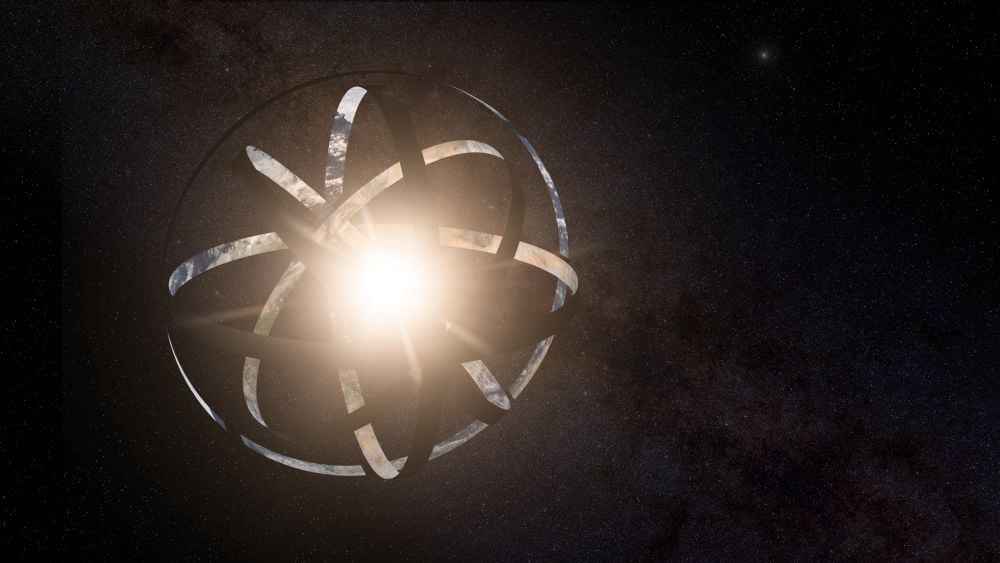
source text मध्ये Dyson spheres सारख्या अतिशय technological scale पर्यंत जाण्याची दूरची शक्यता देखील नमूद केली आहे, stellar energy पकडण्यासाठी. नवीन काम म्हणते की अशा trajectories हमखास नसतात. त्या सामाजिक रचना, संसाधन निवडी, आणि पुनर्प्राप्ती क्षमतेवर अवलंबून असतात. काही सभ्यतांचे प्रकार इतरांपेक्षा रचनात्मकदृष्ट्या अधिक fragile असू शकतात.
सट्टात्मक असले तरी उपयुक्त अभ्यास
हे paper arXiv वर असल्यामुळे, ते settled result ऐवजी preprint म्हणून वाचायला हवे. आणि विषय थेट अनुभवजन्य निरीक्षणापलीकडे जात असल्यामुळे, संशोधन स्वाभाविकपणे model-based आणि exploratory आहे. तरीही त्याचे मूल्य स्पष्ट आहे. ते सभ्यतेकडे abstraction म्हणून न पाहता, निवडी आणि feedback loops वर ज्याची टिकाऊपणा अवलंबून आहे अशा system म्हणून पाहण्याचा framework देते.
म्हणूनच हे paper दोन दिशांनी उपयुक्त ठरते. ते astrobiology ला स्पष्ट extraterrestrial संकेतांच्या अनुपस्थितीचे स्पष्टीकरण देण्यासाठी आणखी एक lens देते, आणि पृथ्वीला आठवण करून देते की technological sophistication आपोआप दीर्घकालीन survival हमी देत नाही.
आणखी खोल अर्थ
या अभ्यासातील सर्वात ठळक मुद्दा कदाचित हा आहे की endurance ही फक्त technical prowess ची बाब नाही. सभ्यतेचे भवितव्य energy capture किंवा engineering capability इतकेच governance आणि resource management वरही अवलंबून असू शकते. megastructures आणि interstellar futures विषयी मोह असलेल्या क्षेत्रासाठी हा एक sobering संदेश आहे.
जर हे काम बरोबर असेल, तर दीर्घायुषी सभ्यतेचा मार्ग raw technological power सुचवतो त्यापेक्षा अरुंद आहे. आणि जर हे इतर तार्यांभोवतीच्या काल्पनिक समाजांसाठी खरं असेल, तर आपण ज्या एकमेव तांत्रिक सभ्यतेबद्दल निश्चितपणे जाणतो, तिच्यासाठीही तेच लागू होऊ शकते.
हा लेख Universe Today च्या reporting वर आधारित आहे. मूळ लेख वाचा.
Originally published on universetoday.com