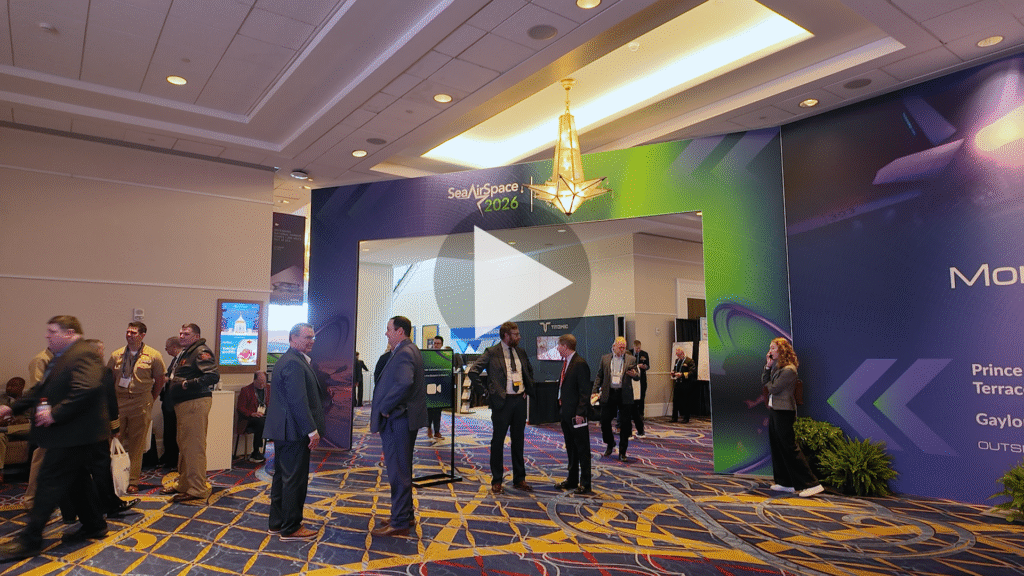
Navy प्राधान्ये आणि तणावांचे conference snapshot
Maryland मधील National Harbor येथे झालेल्या Navy League च्या Sea Air Space conference चा दुसरा दिवस, U.S. naval planning ला आकार देणाऱ्या प्रतिस्पर्धी दबावांचा एक संक्षिप्त आढावा देतो. Breaking Defense च्या recap वर आधारित, चर्चा तीन विषयांभोवती फिरली: Trump-class battleship बाबतचे नवे तपशील, submarine delays बद्दलची सततची चिंता, आणि conference च्या तिसऱ्या दिवशी होणाऱ्या मोठ्या keynote बद्दलची उत्सुकता. लहान video summary स्वरूपातही, हे विषय एक strategic tension स्पष्ट करतात: Navy modernization, lethality वाढवणे, आणि autonomy integrate करणे यांचा प्रयत्न करत आहे, तर पारंपरिक shipbuilding च्या industrial आणि scheduling वास्तवांशी झुंजत आहे.
हा तणाव show floor वरही दिसून आला. report सोबतच्या photo gallery मध्ये Columbia-class आणि Virginia-class submarine models पासून autonomous surface vessels, unmanned rotorcraft, AI-piloted aircraft concepts, cruise missiles, maritime munitions, robotic welding systems, आणि नवीन uncrewed surface आणि undersea platforms पर्यंतचा मिश्रण पाहायला मिळाला. परिणामी conference चे वातावरण जुन्या naval प्रश्नांना autonomy, manufacturing, आणि distributed force design बद्दलच्या नव्या प्रश्नांसोबत जोडणारे बनले.
Trump-class battleship वर चर्चा
recap मधील सर्वात लक्षवेधी गोष्ट Trump-class battleship बद्दलच्या नव्या तपशीलांची होती. संबंधित coverage note नुसार, या class मधील पहिल्या जहाजाचे बांधकाम fiscal year 2028 मध्ये सुरू होण्याची Navy ची अपेक्षा आहे. उपलब्ध मजकुरात तपशीलवार technical माहिती नसली तरी, या विषयाची ठळकता स्वतःच बरेच काही सांगते. Battleship कार्यक्रमांना प्रतीकात्मक आणि आर्थिक वजन दोन्ही असते. ते fleet composition, firepower, survivability, आणि opportunity cost याबद्दल प्रश्न उपस्थित करतात.
missiles, uncrewed systems, आणि increasingly contested maritime environments मुळे naval warfare बदलत असताना, कोणताही मोठा surface combatant कार्यक्रम cost आणि strategic fit बाबत scrutiny टाळू शकत नाही. day-two summary मध्ये “battleship costs” वेगळे दाखवले जाणे affordability आणि procurement logic हे आधीच केंद्रस्थानी आहेत हे सूचित करते. हे अनपेक्षित नाही. नवीन capital ships ना आता अशा वातावरणात resources साठी स्पर्धा करावी लागते, जिथे undersea capacity, missile inventories, आणि distributed unmanned systems सर्वच budget वर दावा करतात.
related conference coverage मधील start date देखील हा कार्यक्रम conceptual attention मधून अधिक concrete planning horizon कडे जात असल्याचे दर्शवते. याने वाद संपत नाही. पण त्यामुळे “असा ship future fleet चा भाग असावा का?” या प्रश्नाचे रूपांतर “याची किंमत किती, आणि कुठे tradeoffs निर्माण होतील?” या प्रश्नात होते.
Submarine timelines अजूनही दबावाचा मुद्दा
recap मधील दुसरा मुख्य विषय submarine delays होता. इथेही, हा छोटा सारांश naval procurement च्या मोठ्या वास्तवाशी जुळतो: undersea platforms हे fleet मधील सर्वात strategic valuable assets पैकी आहेत, पण ते वेळेत बांधणे सर्वात कठीण आहे. conference imagery मध्ये General Dynamics Electric Boat चे Columbia-class आणि Virginia-class submarine models ठळकपणे दिसले.
submarine programs मधील timeline pressure अनेक कारणांनी महत्त्वाचा आहे. Columbia class U.S. strategic deterrence च्या sea-based leg साठी केंद्रस्थानी आहे, तर Virginia-class attack submarines conventional deterrence, intelligence collection, आणि power projection साठी अत्यावश्यक आहेत. या दोन्ही क्षेत्रांतील विलंब shipyard पुरता मर्यादित राहत नाही. त्याचे परिणाम force availability, industrial planning, आणि allied confidence वरही होतात.
submarine schedules ला उच्च-प्रोफाइल surface combatant चर्चेसोबत मांडणे अस्वस्थ करणारा balancing act दाखवते. Navy leaders आणि industry partners यांना legacy priorities टिकवणे, नवे fleet concepts आणणे, आणि production strain एकाच वेळी सहन करणे अपेक्षित आहे. यामुळे sequencing decisions कठीण होतात.
Show floor ने autonomy-heavy भवितव्याची दिशा दाखवली
ships आणि submarines ने लक्ष वेधले असले तरी, report शी संबंधित gallery देखील तितकीच instructive होती. तिने naval relevance साठी स्पर्धा करत असलेल्या technologies ची व्याप्ती दाखवली. Leonardo DRS ने maritime mission equipment package सह autonomous unmanned surface vessel सादर केला. Shield AI ने आपला X-BAT AI-piloted VTOL fighter concept दाखवला. Schiebel ने unmanned rotorcraft सादर केला. Saildrone ने wingless Spectre uncrewed surface vessel उघड केला. Anduril ने Dive XL nose section प्रदर्शित केली. Path Robotics welding torch लावलेल्या robot dog सोबत दिसली. L3Harris ला Marine Corps precision attack program साठी निवडलेल्या Red Wolf munitions शी जोडले गेले.
हे सर्व एकत्र पाहिल्यास, force design चर्चा autonomy ला पूरक घटक म्हणून नव्हे, तर केंद्रीय organizing theme म्हणून पाहू लागली आहे हे स्पष्ट होते. Navy आणि Marine Corps crewed आणि uncrewed assets च्या विस्तृत मिश्रणाकडे, नवीन manufacturing approaches कडे, आणि distributed strike options कडे पाहत आहेत. याचा अर्थ पारंपरिक platforms संपत चालल्या आहेत असा नाही. उलट, हा event त्याच्या विरुद्ध गोष्ट सूचित करतो: सेवा मोठ्या, sophisticated systems च्या industrial burden ला न सोडता आधुनिकीकरण करण्याचा प्रयत्न करत आहेत.
Procurement वाद उघडपणे सुरू आहे
Sea Air Space नेहमी काही प्रमाणात signaling बद्दल असतो. कंपन्या capability signal करतात, सेवा priorities signal करतात, आणि policy समुदाय या दोघांमधील alignment किंवा mismatch वाचतो. day-two recap मध्ये ठरलेली modernization strategy नाही, तर सार्वजनिक स्वरूपात चालू असलेला procurement वाद दिसतो.
एका बाजूला नवीन battleships आणि submarines सारखे major programs आहेत, जे deterrence आणि fleet presence शी संबंधित आहेत. दुसऱ्या बाजूला autonomous vessels, unmanned aircraft, robotic systems, precision weapons यांचे ecosystem आहे, जे scale, flexibility, आणि personnel exposure कमी करण्याचे आश्वासन देते. कठीण प्रश्न कोण जिंकतो हा नाही. वास्तविक world schedule constraints मध्ये Navy दोन्ही afford, build, आणि integrate कसे करणार, हा खरा प्रश्न आहे.
report मध्ये नमूद केलेला आगामी keynote कदाचित अधिक स्पष्टता देईल, पण सध्याचे material आधीच वादाची रूपरेषा दाखवते. Cost scrutiny वाढत आहे. Timelines fragile आहेत. आणि autonomy आता maritime planning च्या कडेला नाही.
हे conference पलीकडे का महत्त्वाचे आहे
Defense trade shows बरेच noise निर्माण करतात, पण ते संस्थात्मक momentum चे उपयुक्त snapshot देखील असतात. Breaking Defense ने अधोरेखित केलेल्या विषयांचे मिश्रण अशी Navy दाखवते जी ambition आणि execution यांचा समतोल साधण्याचा प्रयत्न करत आहे. मोठे warship programs अजूनही लक्ष वेधून घेतात, पण त्याभोवतीचे industrial आणि technological environment वेगाने बदलत आहे. Show floor वर अधिक autonomous systems दिसत आहेत, manufacturing innovation अधिक पुढे येत आहे, आणि प्रत्येक traditional platform decision सोबत अधिक budget pressure जोडले जात आहे.
हा pattern कायम राहिला, तर Sea Air Space 2026 ला कदाचित एखाद्या एका घोषणेसाठी नव्हे, तर Navy च्या सध्याच्या crossroads चे स्पष्ट दर्शन घडवल्याबद्दल अधिक लक्षात ठेवले जाईल. सेवा legacy आणि innovation यांच्यात सरळ निवड करत नाही. तिला दोन्ही एकाच वेळी हाताळावे लागत आहे. त्यामुळे battleship costs आणि submarine delays हे केवळ program-specific मुद्दे राहत नाहीत. Navy आपला industrial base आणि procurement timelines अबाधित ठेवत इच्छित प्रमाणात आधुनिकीकरण करू शकते का, याची ती कसोटी बनतात.
हा लेख Breaking Defense च्या reporting वर आधारित आहे. मूळ लेख वाचा.
Originally published on breakingdefense.com