इराण युद्धाच्या चर्चेत शस्त्रसाठे केंद्रस्थानी
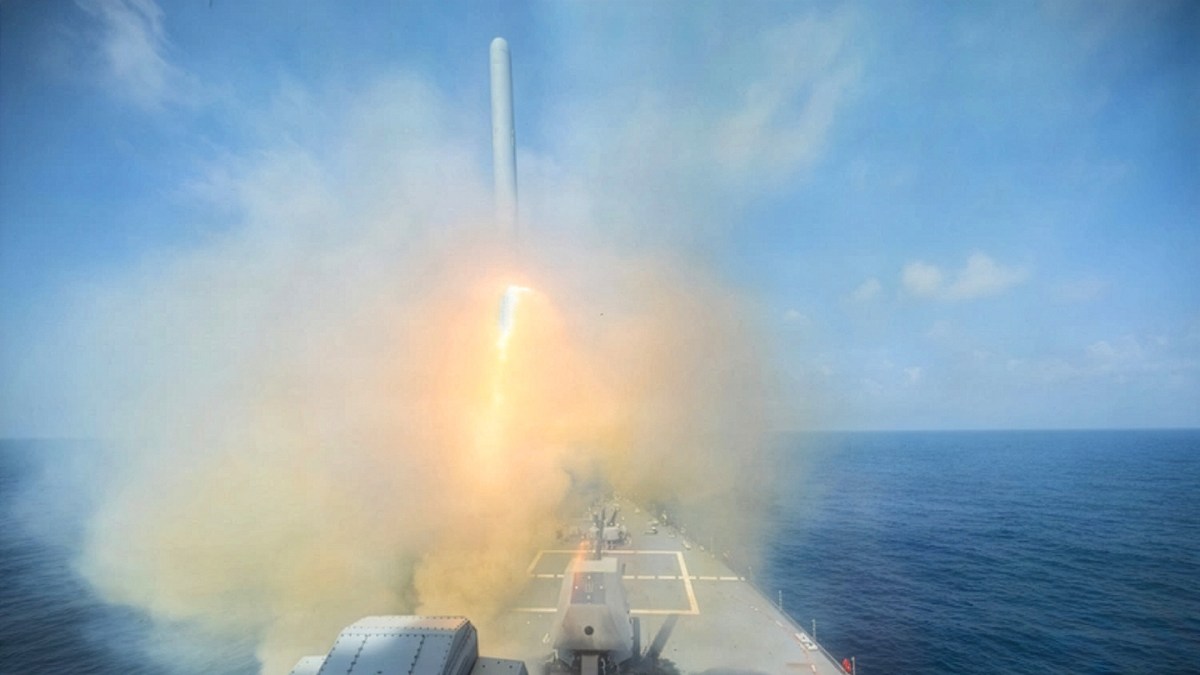
इराणसोबतची लढाई 11व्या दिवशी पोहोचली तेव्हा, वॉशिंग्टनसमोरील तत्काळ लष्करी प्रश्न केवळ काय लक्ष्य करायचे किंवा प्रदेशातील दलांचे संरक्षण कसे करायचे यापुरता मर्यादित राहिला नव्हता. तो अभियान कसे टिकवायचे हाही होता. जुलै 21 रोजी पेंटॅगॉनचे सर्वोच्च नेते सेनेट अॅप्रोप्रिएशन्स कमिटीसमोर हजर झाले तेव्हा युद्धाशी संबंधित अब्जावधी डॉलर्सच्या मागणीचे स्पष्टीकरण देताना, ज्यात आधीच वापरलेला दारुगोळा भरून काढण्यासाठी मोठ्या आपत्कालीन निधीचाही समावेश होता, हा मुद्दा केंद्रस्थानी आला.
मूळ मजकुरानुसार, संघर्षात वापरून संपलेल्या स्ट्राइक वेपन्स आणि हवाई संरक्षण इंटरसेप्टर्सचा साठा पुन्हा उभा करण्यासाठी पेंटॅगॉन खास $21 अब्ज मागत आहे. ही मागणी गेल्या महिन्यात व्हाइट हाऊसने सादर केलेल्या जवळपास $90 अब्जांच्या व्यापक पूरक पॅकेजचा भाग आहे. त्या एकूण रकमेपैकी $67.1 अब्ज हे Operation Epic Fury दरम्यान Department of War ने केलेल्या ऑपरेशनल खर्चांसाठी आहेत, ज्यात लष्करी कर्मचारी, तत्परता खर्च, गुप्त कार्यक्रम आणि खर्च झालेल्या साठ्याचे पुनर्भरण यांचा समावेश आहे.
या मागणीचा आकार संरक्षण नियोजक आणि विश्लेषकांनी अनेक वर्षांपासून इशारा दिलेला वास्तव अधोरेखित करतो: उच्च दर्जाची क्षेपणास्त्रे आणि इंटरसेप्टर्स महागडी, गुंतागुंतीची तयार होणारी आणि मोठा संघर्ष सुरू झाल्यावर वेगाने वापरली जाऊ लागल्यास लवकर बदलणे कठीण असते. सध्याच्या सुनावणीने ही दीर्घकालीन चिंता थेट बजेट आणि तत्परतेच्या समस्येत रूपांतरित केली.
$21 अब्ज का महत्त्वाचे आहे
$21 अब्जची ही बाब केवळ रकमेने मोठी आहे म्हणून नव्हे, तर युद्धाची गती आणि स्वरूप काय दर्शवते, यामुळेही महत्त्वाची आहे. मूळ मजकूर आक्रमक आणि संरक्षणात्मक दोन्ही खर्चांकडे निर्देश करतो. हल्ले चालू ठेवण्यासाठी स्ट्राइक म्युनिशन्स वापरल्या जात आहेत, तर पॅट्रियट क्षेपणास्त्रांसारखे हवाई संरक्षण इंटरसेप्टर्स प्रत्युत्तरादाखल होणाऱ्या हल्ल्यांपासून दलांचे आणि मालमत्तेचे संरक्षण करण्यासाठी खर्च होत आहेत. आधुनिक युद्धात, ही साठवणूक शांततेच्या काळातील खरेदी प्रणाली हाताळू शकतील त्यापेक्षा जलद कमी होऊ शकते.
याचे दोन धोरणात्मक परिणाम आहेत. पहिले, मोहिमेचा खर्च थेट वाढतो. दुसरे, भविष्यातील पर्यायांवर मर्यादा येते. साठे फारच कमी झाले तर, काँग्रेस अधिक निधी द्यायचा की नाही हे ठरवण्यापूर्वीच, लष्करी नेते कोणत्या मोहिमा हाती घ्यायच्या याबाबत अधिक निवडक होऊ शकतात.
उपलब्ध दारुगोळ्याने संघर्ष पुढे चालू ठेवण्याच्या क्षमतेबद्दल इशारे वाजत असल्याचे मूळ मजकूर सांगतो. The Washington Post मध्ये उद्धृत केलेल्या अहवालात एका अधिकाऱ्याने इशारा दिला होता की अमेरिकेच्या विस्तारित कारवाया कमी होत चाललेल्या हवाई संरक्षण आणि दीर्घ पल्ल्याच्या दारुगोळ्याच्या साठ्यांमुळे मर्यादित होतील, तसेच युद्धनुकसानीमुळे अधिक सैनिक आणि विमाने प्रदेशात तातडीने पाठवण्यावरही बंधने येतील.
साठ्यांच्या पूर्ण सार्वजनिक हिशोबाशिवायही, सुनावणीतील संदेश स्पष्ट आहे: पुन्हा पुरवठा करणे आता केवळ पार्श्वभूमीवरील लॉजिस्टिक मुद्दा राहिलेला नाही. तो आता मध्यवर्ती ऑपरेशनल घटक आहे.
अर्थसंकल्पीय ताणामुळे तत्परतेवर परिणाम होऊ लागला आहे
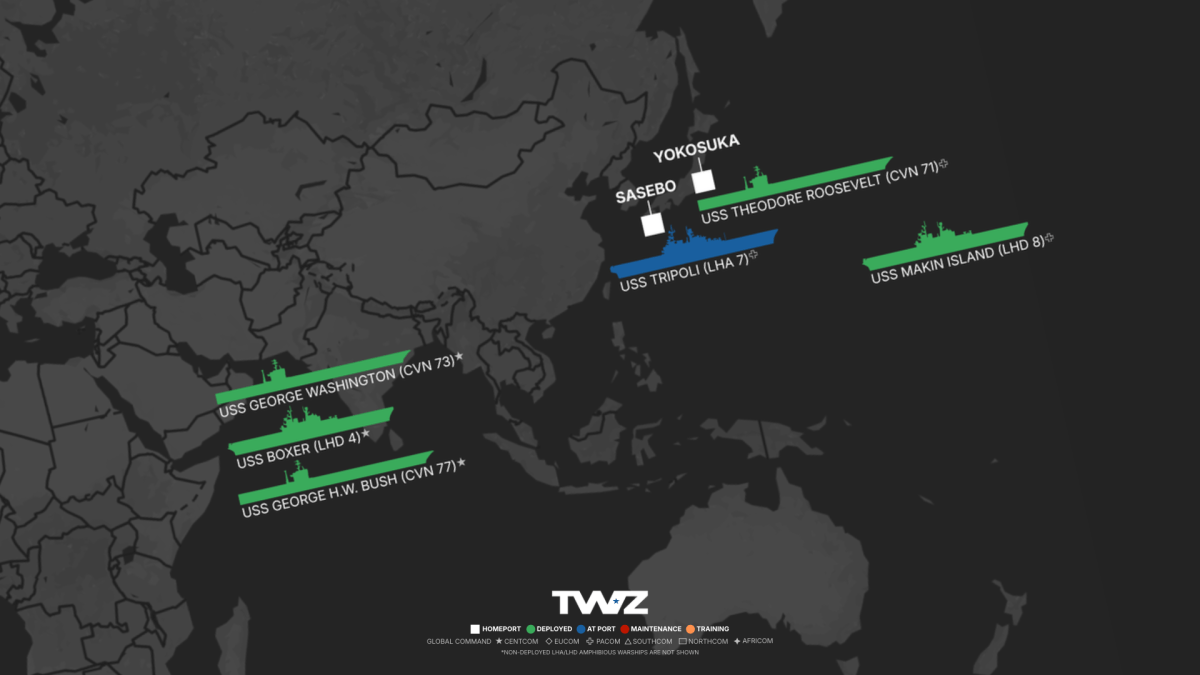
मूळ मजकुरात वर्णन केलेला निधीचा ताण केवळ क्षेपणास्त्रांच्या बदलापुरता मर्यादित नाही. तो व्यापक लष्करी तत्परतेवरही परिणाम करू लागला आहे. लेखानुसार, संघर्षासाठी वापरला जात असलेला पैसा आधीच संपूर्ण दलावर खालील परिणाम घडवत आहे, ज्यात प्रशिक्षण आणि देखभाल यांवरील मर्यादा समाविष्ट आहेत. हे अत्यंत महत्त्वाचे आहे, कारण याचा अर्थ युद्धाचा खर्च केवळ दारुगोळ्याच्या खात्यांमध्ये नाही, तर नियमित सराव, देखभाल आणि अन्य आकस्मिक परिस्थितींसाठी तयार राहण्यासाठी अवलंबून असलेल्या युनिट्सवरही जाणवतो.
प्रत्यक्षात, अशा तडजोडी वेळेनुसार वाढत जातात. देखभाल उशिरा झाली आणि प्रशिक्षण कमी झाले, तर लष्कर अल्पकालीन रोकड वाचवू शकते, पण दीर्घकालीन तत्परतेच्या किंमतीवर. परिणाम असा होतो की सध्याच्या कारवाया सुरू ठेवू शकणारे दल इतर क्षेत्रांत क्षीण झालेल्या क्षमतेसह उरते. पूरक मागणीचा आढावा घेणाऱ्या कायदेकर्त्यांसाठी, ही गतिशीलता आधीच गोळीबार झालेल्या गोष्टींची भरपाई करायची की नाही, या प्रश्नापेक्षा पुढे जाते. अमेरिकेने इतर रंगभूमींवरील प्रतिसादक्षमता कमकुवत न करता मोठे प्रादेशिक युद्ध चालू ठेवता येईल का, हा खरा प्रश्न बनतो.
औद्योगिक क्षमता आता रणनीतीचा भाग
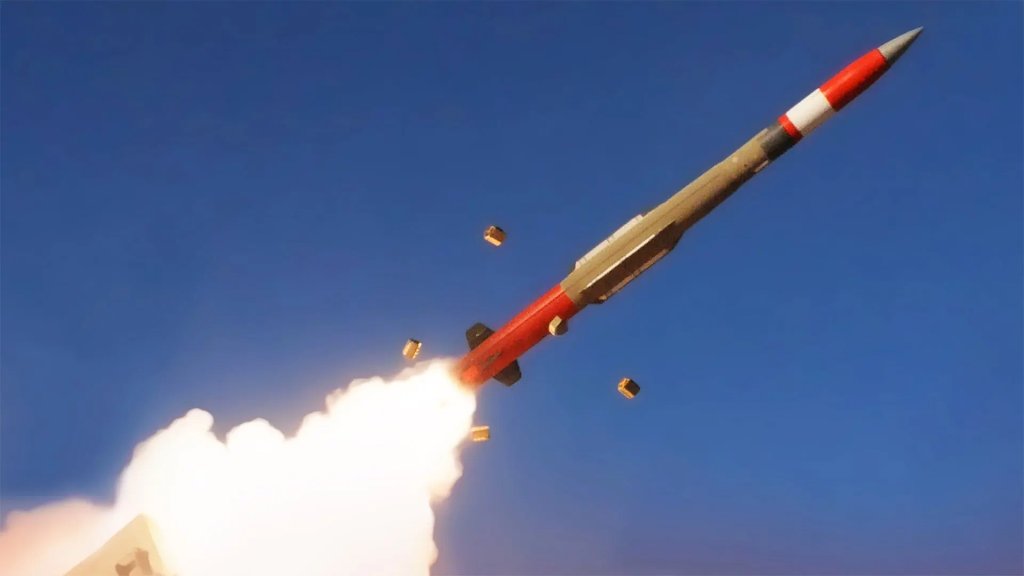
सुनावणीतून मिळणारा आणखी एक धडा म्हणजे उत्पादन क्षमता लष्करी रणनीतीपासून वेगळी नाही. उच्च दर्जाची आक्रमक क्षेपणास्त्रे, बॉम्ब आणि हवाई संरक्षण इंटरसेप्टर्स बदलण्यातील दीर्घकालीन अडचण मूळ मजकुरात नमूद करण्यात आली आहे. ही आव्हानात्मक बाब संरचनात्मक आहे. गुंतागुंतीचा दारुगोळा रातोरात भरून काढता येत नाही, आणि औद्योगिक उत्पादन वाढवण्यासाठी वेळ, कामगार, घटक आणि स्थिर करारांची गरज असते.
म्हणजेच, ही पूरक मागणी फक्त आधीच खर्च झालेल्या वस्तूंसाठी चेक लिहिण्याबद्दल नाही. संरक्षण औद्योगिक तळाने आणखी एक मोठा मागणी धक्का पेलणे आवश्यक आहे, याची ती अप्रत्यक्ष कबुलीही आहे. उत्पादन पुरेशा वेगाने वाढू शकले नाही तर, कागदावर निधी असतानाही प्रत्यक्ष मैदानात मर्यादा कायम राहू शकतात.
हवाई संरक्षणासाठी ही समस्या विशेष तीव्र आहे. वारंवार क्षेपणास्त्र किंवा ड्रोन हल्ल्यांना सामोरे जाणाऱ्या दलांकडे इंटरसेप्टर्स जलद खर्च होऊ शकतात, आणि पुनर्भरणाची साखळी ऑपरेशनल वापराच्या दरापेक्षा खूप मागे राहू शकते. ही असमतोलता एकदा निर्माण झाली की, कमांडर्सना तळे, जहाजे, भागीदार दल आणि धोरणात्मक स्थळांमध्ये मर्यादित संरक्षण कसे वाटायचे हे ठरवावे लागते. सुनावणी सूचित करते की हे निर्णय अधिक तातडीचे बनत आहेत.
व्यापक परिणाम असलेली सेनेट सुनावणी
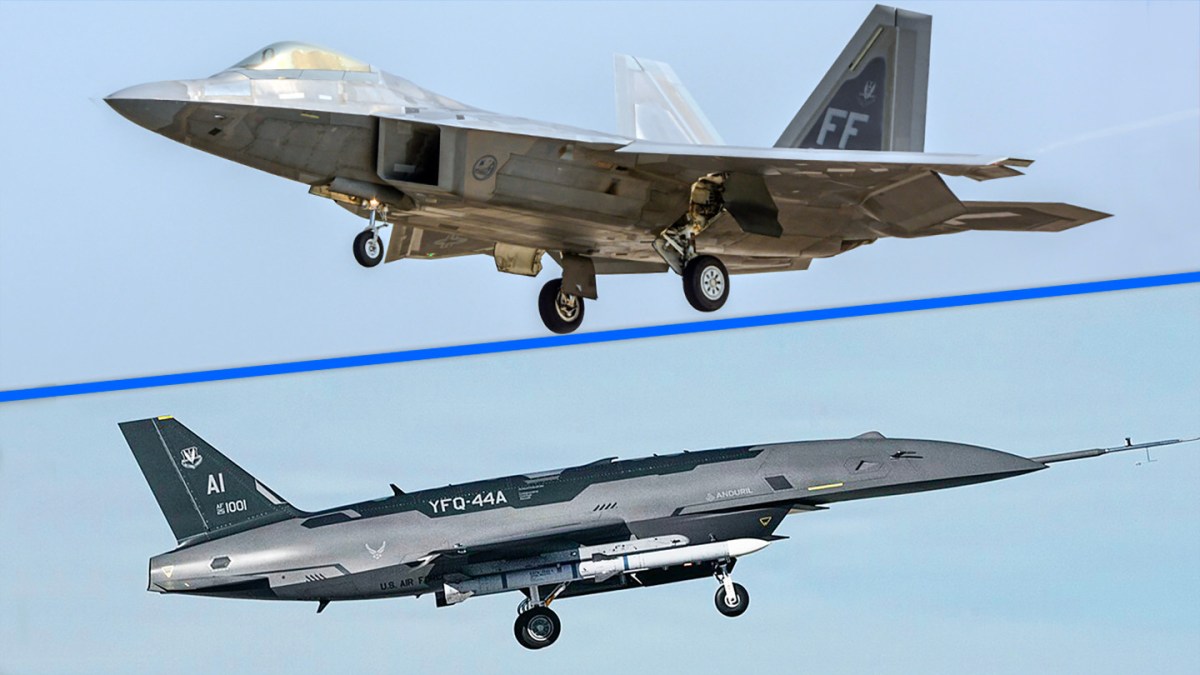
War Secretary Pete Hegseth आणि Joint Chiefs Chairman Dan Caine यांची उपस्थिती तणावपूर्ण पार्श्वभूमीवर झाली. मूळ मजकुरानुसार, President Donald Trump यांनी इराणमधील खोलवर पुरलेल्या Pickaxe Mountain सुविधेवर हल्ला करण्याच्या धमक्या पुन्हा दिल्या होत्या, तर पुन्हा सुरू झालेली शत्रुत्वाची स्थिती 11व्या दिवसापर्यंत चालू होती. सक्रिय संघर्ष, संभाव्य तणाववाढ आणि दिसणाऱ्या साठा-चिंता यांच्या या संयोगाने निधीच्या मागणीला अपवादात्मक वजन दिले.
म्हणूनच, काँग्रेसला केवळ चालू ऑपरेशन्सचा खर्चच नाही, तर भविष्यातील ऑपरेशन्सची विश्वासार्हताही तपासण्यास सांगितले जात आहे. प्रशासनाने हल्ले वाढवण्याची तयारी दर्शवताना त्याच वेळी दारुगोळ्यावरील ताणाची चेतावणी दिली, तर कायदेकर्ते प्राधान्ये, वेळापत्रक आणि औद्योगिक पुनर्प्राप्तीबाबत अधिक स्पष्ट उत्तरे मागू शकतात. इतक्या तीव्र संघर्षासाठी पेंटॅगॉनची साठ्यासंबंधी नियोजन गृहितके पुरेशी होती का, असाही प्रश्न ते विचारू शकतात.
हे प्रश्न या युद्धापलीकडेही महत्त्वाचे आहेत. ते प्रतिबंधक धोरण, मैत्री करार आणि महान शक्ती स्पर्धेबाबत अमेरिकेच्या व्यापक दृष्टिकोनाशी संबंधित आहेत. एकाच रंगभूमीत महत्त्वाचे साठे जाळून टाकणाऱ्या दलाकडे इतरत्र कमी लवचिकता राहते. म्हणूनच, मुळात तांत्रिक खरेदीचा विषय मानले जाणारे दारुगोळ्याचे हिशेब आता थेट रणनीतिक चर्चेच्या केंद्रस्थानी आहेत.
निधीच्या मागणीमागचे खरे कथानक
सुनावणीतून सर्वात महत्त्वाचा निष्कर्ष असा नाही की पेंटॅगॉनला फक्त अधिक पैशांची गरज आहे. खरा मुद्दा असा आहे की इराणसोबतचे युद्ध आधुनिक संघर्ष किती वेगाने खरेदीच्या वास्तवाशी धडकते, हे दाखवत आहे. अचूक शस्त्रे आणि क्षेपणास्त्र संरक्षण प्रणाली निर्णायक आहेत, पण तीही मर्यादित आहेत. अभियान दिवसांवरून आठवड्यांकडे सरकले की आर्थिक खर्च, औद्योगिक उत्पादनक्षमता आणि तत्परतेतील तडजोडी रणांगणावरील निवडींना आकार देऊ लागतात.
सेनेट सुनावणीने हा ताण सार्वजनिक केला. प्रशासन अनेक अब्ज डॉलर्सची पूरक मदत मागत आहे, ज्यापैकी $21 अब्ज थेट आधीच वापरलेल्या दारुगोळ्याची भरपाई करण्यासाठी जोडले गेले आहेत. काँग्रेसने ही मागणी पूर्णपणे मंजूर केली किंवा कपात केली, तरीही मूळ समस्या कायम राहील: उच्च-गती युद्ध टिकवून ठेवणे हे तितकेच साठ्याच्या खोलीवर आणि उत्पादन क्षमतेवर अवलंबून आहे, जितके ते रणतांत्रिक यशावर आहे.
हीच नीति समस्या आता वॉशिंग्टनमध्ये स्पष्ट होऊ लागली आहे. इराणसोबतचा संघर्ष आकाशात आणि समुद्रात लढला जाऊ शकतो, पण त्याच्या पुढच्या मर्यादा कारखान्यांतील मजल्यांवर, देखभाल बजेटमध्ये आणि अॅप्रोप्रिएशन्स सुनावण्यांमध्ये ठरू शकतात.
हा लेख twz.com वरील अहवालावर आधारित आहे. मूळ लेख वाचा.
Originally published on twz.com