इटली ईयू संरक्षण कर्जाकडे वळते, पण कमी प्रमाणात
महिन्यांच्या हिचकिचणीनंतर, इटलीने युरोपियन युनियनच्या SAFE संरक्षण वित्तपुरवठा कार्यक्रमांतर्गत कमी खर्चाचे ८ अब्ज युरोचे कर्ज मागण्याचा निर्णय घेतला आहे, असे Defense News ने कळवले आहे. हा निर्णय पंतप्रधान जॉर्जिया मेलोनी यांच्या सरकारकडून झालेला आंशिक यू-टर्न दर्शवतो, कारण इटली ईयूच्या या यंत्रणेचा वापर करेल की नाही, याबाबत सरकारने आधीच शंका व्यक्त केली होती. इटलीने सुरुवातीला मागणी करण्याचा विचार केलेल्या सुमारे १४.९ अब्ज युरोपेक्षा ही रक्कम लक्षणीय कमी आहे.
हा निर्णय केवळ आकडेवारीपुरता महत्त्वाचा नाही. तो दाखवतो की राजकीय विरोध, अर्थसंकल्पीय दबाव आणि लष्करी आधुनिकीकरणाबाबत बदलते दृष्टिकोन युरोपच्या संरक्षण खर्चाला कसे आकार देत आहेत, त्या काळात खंड रशियाच्या युक्रेनवरील आक्रमणाला आणि NATO खर्च वाढवण्याच्या सततच्या दबावाला प्रतिसाद देत आहे. इटली ईयूच्या संरक्षण वित्तपुरवठ्याच्या ऑफरला पूर्णपणे नाकारत नाही. पण अधिक वादग्रस्त देशांतर्गत वातावरणात बसवण्यासाठी ते आपली बांधिलकी कमी करत आहे.
इटलीने का हिचकिचाहट दाखवली
Defense News च्या म्हणण्यानुसार, मेलोनींच्या उजव्या आघाडी सरकारने हा निर्णय अनेक महिने लांबवला, कारण सरकारमध्येच, विशेषतः लीग पक्षाकडून, विरोध होता. हा विरोध एका व्यापक राजकीय वादाशी जोडलेला दिसतो: सार्वजनिक खर्चात संरक्षणाला प्राधान्य द्यायचे की इतर देशांतर्गत गरजांना. अहवालानुसार विरोधी पक्षांमध्येही अशीच साशंकता आहे, आणि पुढील वर्षी होणाऱ्या राष्ट्रीय निवडणुकांपूर्वी जनमतानेही सावधपणा वाढवला आहे.
ही पार्श्वभूमी अंतिम आकडा का महत्त्वाचा आहे हे स्पष्ट करते. ८ अब्ज युरोची मागणी अद्याप ईयूच्या लष्करी तयारी मजबूत करण्याच्या प्रयत्नात सहभाग दर्शवते, पण ती सुरुवातीला चर्चेत आलेल्या मोठ्या कर्जयोजनेला पूर्णपणे स्वीकारल्याशिवाय करते. मेलोनी सरकारसाठी, ही कमी रक्कम एक तडजोडीची भूमिका वाटते, जी इटलीला अनुकूल वित्तपुरवठ्याचा लाभ घेऊ देते, तरीही संरक्षण कर्ज वाढवण्यास फार उत्सुक दिसण्याचा राजकीय खर्च मर्यादित ठेवते.
SAFE कार्यक्रम स्वतःच ईयू सदस्य देशांना कर्जांद्वारे खरेदी आणि सज्जता मजबूत करण्यास मदत करण्यासाठी तयार करण्यात आला होता, ज्यामुळे वाढत्या धोरणात्मक चिंतेच्या काळात सरकारांना संरक्षणात गुंतवणूक करण्याचा स्वस्त मार्ग मिळतो. त्यामुळे इटलीचा उशिरा घेतलेला निर्णय एकाच वेळी दोन संदेश देतो: रोमला अजूनही ब्लॉकच्या संरक्षण वित्तपुरवठा साधनांपर्यंत प्रवेश हवा आहे, पण कोणत्या प्रकारचा लष्करी खर्च सर्वाधिक तातडीचा आहे याचे पुनर्मूल्यांकन करण्यासाठीही जागा हवी आहे.
खरेदी योजना दबावाखाली
इटलीने पहिल्यांदा SAFE योजनेत सहभागी होण्याचा विचार केला तेव्हा, Lynx बख्तरबंद लढाऊ वाहने आणि Panther टँक यांसारख्या कार्यक्रमांसाठी निधी वापरण्याचा त्यांचा मानस होता, जे Leonardo आणि जर्मनीची Rheinmetall इटालियन लष्करासाठी बांधत आहेत. Defense News नुसार, या व्यापक करारात १,०५० Lynx वाहने आणि २७२ Panther टँक अपेक्षित होते, आणि कराराची किंमत २३ अब्ज युरो होती.
हे आकडे मूळ महत्त्वाकांक्षेचे प्रमाण दर्शवतात. निधीतील कपात का महत्त्वाची आहे हेही ते अधोरेखित करतात. इटलीने एकेकाळी अपेक्षित केलेल्या रकमेपेक्षा कमी कर्ज घेतले, तर खरेदी मंदावावी, कमी करावी किंवा प्राधान्ये बदलावी लागू शकतात. या शक्यतेचा इशारा आधीच जुलैमध्ये देण्यात आला होता, जेव्हा इटालियन संरक्षणमंत्री गुइडो क्रोसेटो यांनी इटली या कार्यक्रमातील खर्च १८% ने कमी करेल असे सांगितले होते, ज्यातून ऑर्डर संख्येत संभाव्य उशीर आणि कपात सूचित झाली होती.
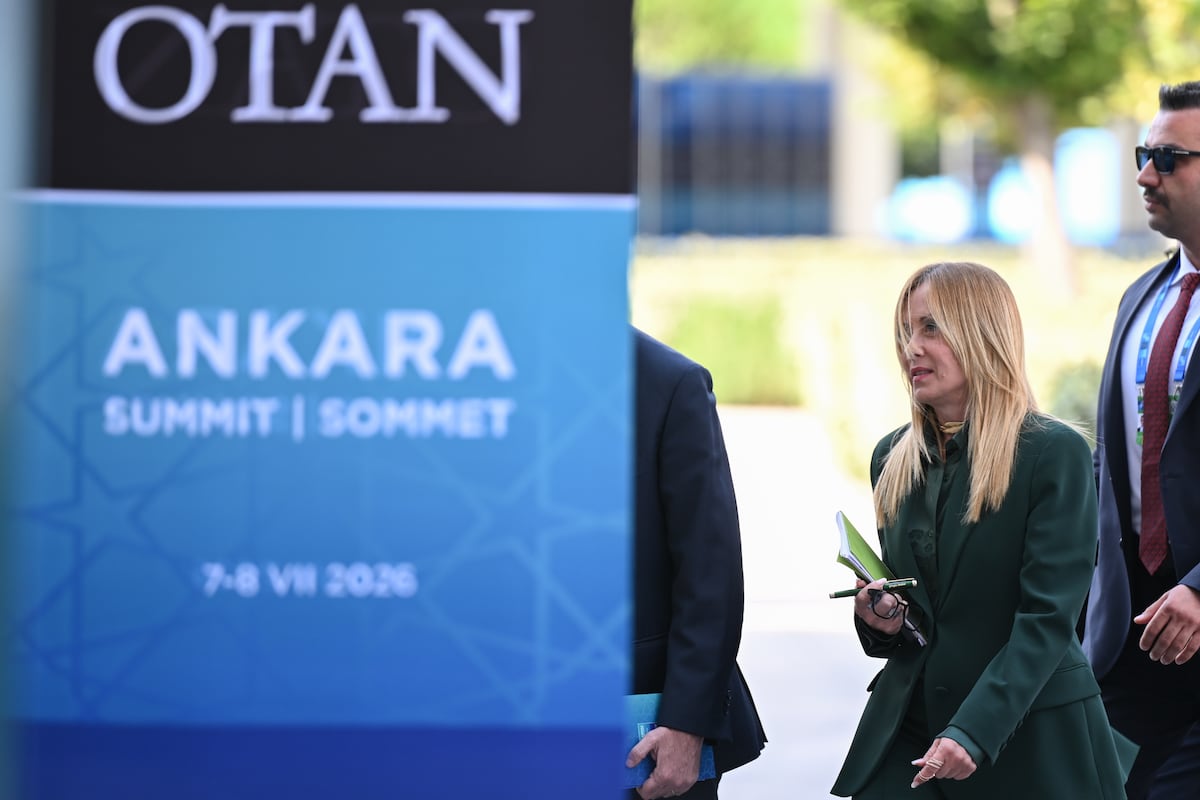
हिचकिचण्यामागचा लष्करी तर्कही बदलत आहे. गेल्या महिन्यात तुर्कीतील NATO शिखर परिषदेत मेलोनी यांच्या वक्तव्याचा हवाला Defense News ने दिला, जिथे त्यांनी सांगितले की युक्रेनमधील युद्ध सरकारांना गुंतवणूक कशी करायची याचा पुनर्विचार करायला भाग पाडत आहे. त्यांचा मुद्दा स्पष्ट होता: महागडा टँक तुलनेने स्वस्त ड्रोनने नष्ट होऊ शकतो, आणि दूरस्थपणे प्रशिक्षित ड्रोन ऑपरेटर स्नायपरपेक्षाही अधिक घातक ठरू शकतो. याचा अर्थ जड चिलखत अप्रचलित झाले असे नाही, पण पारंपरिक खरेदी योजनांवर आता अधिक कठोर छाननी होत आहे.
त्या अर्थाने, इटलीची कमी कर्जमागणी राजकीय तडजोडीपेक्षा अधिक काहीतरी दर्शवू शकते. ती क्षमतेच्या मिश्रणाचा पुनर्विचारही असू शकते. युक्रेनमधील रणभूमीवरील धडे युरोपीय खरेदीला आकार देत राहिले, तर सरकारे मोठे भांडवली दावे कुठे लावायचे याबद्दल अधिक निवडक होऊ शकतात, विशेषतः जेव्हा त्या दाव्यांमध्ये महागडी बख्तरबंद व्यासपीठे आणि लांब वितरण कालावधी असतो.
NATO लक्ष्ये आणि लेखा प्रश्न
इटलीचा हा निर्णय संरक्षण खर्च कसा मोजला आणि मांडला जातो, यावरील व्यापक वादातही बसतो. Defense News म्हणते की इटलीने आधी जाहीर केले होते की त्यांनी संरक्षण खर्च GDP च्या १.५४% वरून सुमारे २% केला आहे, काही प्रमाणात विद्यमान खर्चाला संरक्षण खर्च म्हणून पुनर्वर्गीकृत करून. नंतर मेलोनी यांनी २०२६ मध्ये खर्च २.८% झाल्याचे सांगितले, मात्र अहवालात असेही नमूद आहे की ही वाढ मुख्यतः देशांतर्गत सुरक्षा खर्चामुळे आहे, संरक्षण खरेदीमुळे नाही.
हा फरक राजकीयदृष्ट्या संवेदनशील आहे, कारण NATO मधील भारवाटपावरील चर्चा फक्त टक्केवारीबद्दल नसते. सदस्य देश प्रत्यक्ष तैनात करता येईल अशी लष्करी क्षमता उभारत आहेत का, हा खरा प्रश्न आहे. एखादा देश लेखांकनाच्या दृष्टीने खर्चाचे लक्ष्य गाठू शकतो किंवा त्याच्या जवळ जाऊ शकतो, तरीही सहयोगींना अपेक्षित गतीने मोठ्या आधुनिकीकरण कार्यक्रमांना निधी देण्यात संघर्ष करू शकतो.
म्हणूनच इटलीचा ८ अब्ज युरोचा SAFE अर्ज आर्थिक आणि संकेतात्मक, दोन्ही प्रकारचा उपाय दिसतो. आर्थिकदृष्ट्या, तो संरक्षण-संबंधित गरजांसाठी स्वस्त कर्जाचा प्रवेश देतो. राजनैतिकदृष्ट्या, रोमला हे दाखवू देतो की ते लष्करी तयारी मजबूत करण्याच्या युरोपीय प्रयत्नात सहभागी आहे. राजकीयदृष्ट्या, कमी मागणी अंतर्गत विरोध आणि मतदारांचे प्रश्न हाताळण्यास मदत करते, की संरक्षणाला इतर खर्च प्राधान्यांपेक्षा वर ठेवावे का.
एक व्यापक युरोपीय नमुना
इटली एकटाच असा युरोपीय देश नाही जो तातडी आणि हिचकिचाहट यांच्यात समतोल साधत आहे. संपूर्ण खंडात सरकारे संरक्षण क्षमता वाढवण्याचा प्रयत्न करत आहेत, पण त्यांना कर्जमर्यादा, औद्योगिक अडथळे, आणि मोठ्या खरेदी कार्यक्रमांबाबत पूर्णपणे खात्री नसलेल्या मतदारांशीही सामना करावा लागत आहे. SAFE यंत्रणा या समस्येचे एक उत्तर आहे, कारण ती वित्तपुरवठ्याचा खर्च कमी करते. पण सरकारांनी काय खरेदी केले, कधी खरेदी केले, आणि त्या निवडी बदलत्या धोका वातावरणाशी कशा बसतात, हे समजावून सांगण्याची गरज ती दूर करत नाही.
इटलीसाठी, तातडीचा परिणाम दीर्घकालीन निकालापेक्षा अधिक स्पष्ट आहे. रोमने अखेर सहभागी होण्याचा निर्णय घेतला आहे, पण सुरुवातीला जे कल्पिले होते त्यापेक्षा अधिक मर्यादित स्वरूपात. तो तात्पुरता बदल ठरेल का, की अधिक निवडक संरक्षण गुंतवणूक धोरणाची सुरुवात, हे भविष्यातील अर्थसंकल्प, आघाडीचे राजकारण, आणि रणभूमीवरील धडे युरोपभर खरेदी प्राधान्ये किती वेगाने बदलतात यावर अवलंबून असेल.
- इटली ईयूच्या SAFE संरक्षण कर्ज कार्यक्रमातून ८ अब्ज युरो मागणार आहे, जे आधीच्या १४.९ अब्ज युरोच्या योजनेपेक्षा कमी आहे.
- देशांतर्गत राजकीय विरोध आणि निवडणुकांपूर्वी मतदारांची संवेदनशीलता यामुळे निर्णयास उशीर झाला.
- कमी मागणी बजेटविषयक सावधगिरी आणि महागड्या पारंपरिक खरेदी कार्यक्रमांचा पुनर्विचार यांचे संकेत देऊ शकते.
हा लेख Defense News च्या रिपोर्टिंगवर आधारित आहे. मूळ लेख वाचा.
Originally published on defensenews.com