देशांतर्गत ड्रोन युद्धाला मॉस्कोचा अधिक कठोर प्रतिसाद
युक्रेनियन ड्रोन हल्ल्यांमुळे होत असलेल्या वाढत्या आर्थिक नुकसानीला रशिया आता अधिक कठोरपणे हाताळत आहे. राष्ट्राध्यक्ष व्लादिमिर पुतिन यांनी स्वाक्षरी केलेल्या आदेशानुसार, मालकांनी त्या सुविधा हल्ल्यांपासून संरक्षित करण्यात अपयश आले किंवा हल्ला झाल्यानंतर त्या पुरेशा वेगाने पूर्ववत केल्या नाहीत, तर रशियन सरकार महत्त्वाच्या खासगी पायाभूत सुविधांवर तात्पुरता ताबा घेऊ शकते.
हा पाऊल केवळ सुरक्षा दुरुस्ती नाही. दीर्घ-पल्ल्याचे ड्रोन हल्ले रणांगणावरील दबाव आणि देशांतर्गत आर्थिक लवचिकता यांच्यातील समतोल कसा बदलत आहेत, हे ते दर्शवते. जे सुरुवातीला लष्करी आव्हान होते, ते आता मॉस्कोसाठी प्रशासन आणि औद्योगिक धोरणाचा प्रश्न बनले आहे, जो थेट रणनीतिक मालमत्तेच्या खासगी मालकीपर्यंत पोहोचतो.
रिपोर्टनुसार, हा आदेश यावर्षी रशियाने घेतलेल्या आधीच्या निर्णयानंतर आला आहे. तेव्हा खासगी कंपन्यांना स्वतःच्या सुविधा संरक्षणासाठी स्वतःची हवाई संरक्षण प्रणाली खरेदी करण्याची परवानगी देण्यात आली होती. नव्या टप्प्यामुळे दांव वाढले आहेत: व्यवसायांना आता केवळ संरक्षण सुधारण्यास सांगितले जात नाही, तर त्यांनी तसे न केल्यास राज्य हस्तक्षेप करू शकते, अशी सूचना दिली जात आहे.
हा आदेश नेमके काय करतो
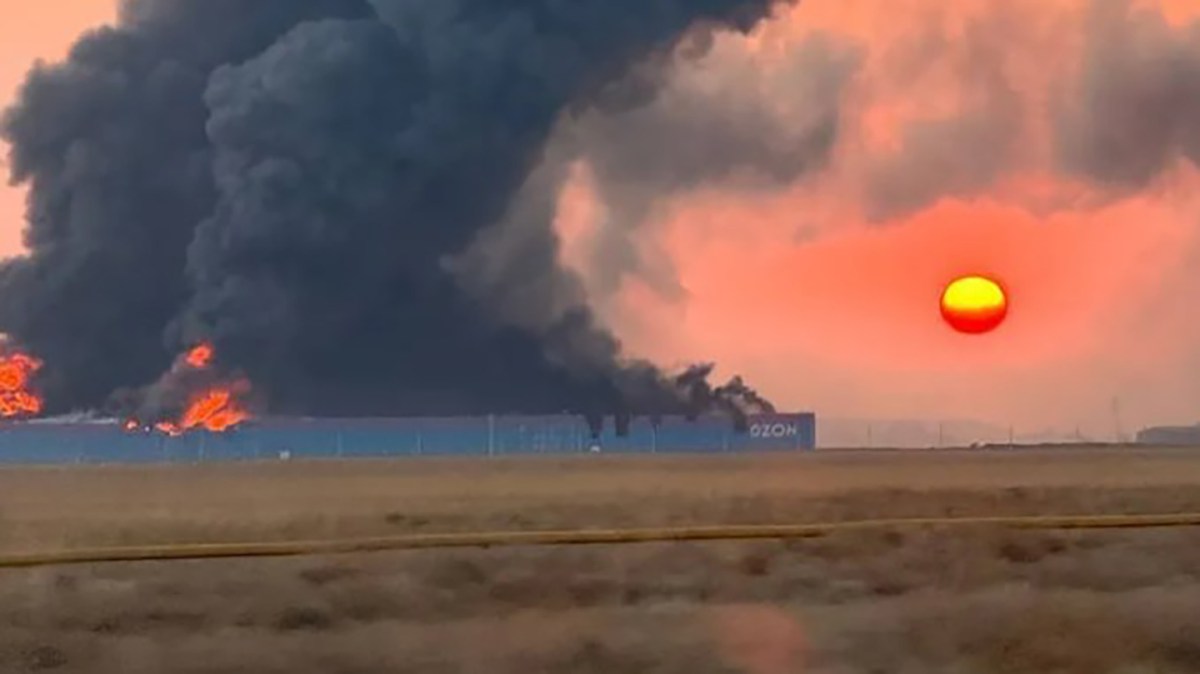
तातडीचा कारणीभूत घटक म्हणजे रशियाच्या आत खोलवर असलेल्या लक्ष्यांवर युक्रेनियन ड्रोन ऑपरेशन्सचा वाढता आवाका आणि सातत्य. रिपोर्टनुसार, वारंवार झालेल्या हल्ल्यांनी आधीच तेल शुद्धीकरण प्रकल्प आणि इतर ऊर्जा सुविधा लक्ष्य केल्या आहेत, तर प्रमुख ई-कॉमर्स वितरण केंद्रांना लक्ष्य करणाऱ्या नव्या मोहिमेमुळे आणखी आर्थिक ताण आणि जनअसंतोष वाढला आहे.
त्या पार्श्वभूमीवर, हा आदेश जबरदस्तीच्या राज्य कारवाईसाठी औपचारिक यंत्रणा निर्माण करण्यासाठी तयार करण्यात आल्याचे दिसते. एखादी सुविधा ड्रोन हल्ल्यापासून अपुरी संरक्षित मानली गेली, किंवा हल्ल्यानंतरची दुरुस्ती खूपच मंद मानली गेली, तर सरकार तात्पुरता ताबा घेऊ शकते. त्यामुळे पायाभूत सुविधा व्यवस्थापन थेट युद्धकाळातील टिकावाशी जोडले जात आहे.
रशियाच्या युद्धकालीन प्रशासनात हा एक उल्लेखनीय बदल आहे. ड्रोन हल्ल्यांचे परिणाम पचवण्यासाठी केवळ लष्करी तुकड्या किंवा प्रादेशिक अधिकाऱ्यांवर अवलंबून राहण्याऐवजी, क्रेमलिन जबाबदारी स्वतः कंपन्यांवर ढकलत आहे, आणि निकाल समाधानकारक नसतील तर त्यांना बाजूला सारण्याचा पर्यायही राखून ठेवत आहे.
स्पष्ट तांत्रिक मानकांशिवाय सुरक्षा आदेश
रिपोर्टमधील सर्वात महत्त्वाचा तपशील म्हणजे हा आदेश काय सांगत नाही ते. ड्रोनविरोधी संरक्षणासाठी राज्याच्या अपेक्षा पूर्ण करण्यासाठी खासगी ऑपरेटरांनी कोणती ठोस उपाययोजना करावी, हे यात स्पष्ट केलेले नाही. या अस्पष्टतेमुळे अनुपालनाचा मोठा प्रश्न निर्माण होतो.
कंपन्यांना आता पुरेशा संरक्षणाचा नेमका निकष काय आहे, यासाठी स्पष्ट नियमपुस्तिका नसतानाच महत्त्वाच्या सुविधांचे संरक्षण करण्याची अट भासू शकते. प्रत्यक्षात, यामुळे असमान अंमलबजावणी आणि राजकीय स्वैरता यांना वाव मिळतो. एखादे शुद्धीकरण केंद्र, गोदाम किंवा लॉजिस्टिक्स हब नंतर अपुरे ठरवले जाऊ शकते, विशेषतः जर ते उच्च-प्रोफाईल हल्ल्याचे लक्ष्य झाले असेल.
व्यवसायांसाठी यामुळे कार्यकारी वातावरण बदलते. पायाभूत सुविधा संरक्षण आता केवळ सातत्य नियोजन किंवा विमा जोखमीचा प्रश्न राहिलेला नाही. ते राज्य सुरक्षा कामगिरीचा भाग बनते, ज्यासोबत मालकीचे परिणामही जोडलेले आहेत.
धोरणामागील संसाधन समस्या
हा आदेश आणखी खोल मर्यादा उघड करतो: रशियाकडे हवाई संरक्षण साधनांचा पुरवठा मर्यादित आहे. रिपोर्टमध्ये नमूद केले आहे की, रणांगणावरील गरजा आणि युक्रेनियन हल्ल्यांचा वाढता भौगोलिक विस्तार यामुळे रशियन सैन्यालाही आधीच हवाई संरक्षण प्रणालींची कमतरता जाणवत आहे. त्यामुळे एक स्पष्ट प्रश्न निर्माण होतो. खासगी कंपन्यांना संरक्षण खरेदीची परवानगी असली, तरी संबंधित उपकरणे प्रत्यक्षात किती उपलब्ध आहेत, आणि त्यांची क्षमता कोणत्या पातळीची आहे?
या धोरणातील मुख्य तणाव हाच आहे. प्रगत संरक्षण प्रणाली दुर्मिळ असताना क्रेमलिन आर्थिक पायाभूत सुविधांसाठी अधिक मजबूत संरक्षणाची मागणी करत आहे. राज्य व्यापक कव्हरेज देऊ शकत नसेल आणि बाजार पुरेशी प्रभावी प्रणाली पुरवू शकत नसेल, तर अनेक सुविधा मालकांना असा निकष पूर्ण करण्याची जबाबदारी येऊ शकते जो पूर्ण करणे कठीण किंवा अशक्य आहे.
रिपोर्टमध्ये एक महत्त्वाचा अपवादही नमूद केला आहे: रशियाचा नागरी अँटी-ड्रोन उद्योग वाढत आहे. याचा अर्थ समांतर बाजार प्रतिसाद आधीच सुरू आहे, कदाचित पॉईंट-डिफेन्स, शोध आणि व्यत्यय निर्माण करणाऱ्या साधनांवर लक्ष केंद्रित करून, जी पारंपरिक रणनीतिक हवाई संरक्षण प्रणालींपेक्षा जलद तैनात केली जाऊ शकतात. तरीही, वाढता नागरी क्षेत्र खरेदीची परवानगी आणि पुरेशा संरक्षणापर्यंतची उपलब्धता यातील दरी आपोआप भरून काढत नाही.
आर्थिक पैलू का महत्त्वाचा आहे
ही कथा केवळ लष्करी जुळवणुकीबद्दल नाही. ती दाखवते की ड्रोन युद्ध आता औद्योगिक संघटन आणि खासगी भांडवलापर्यंत कसे पोहोचत आहे. तेल शुद्धीकरण प्रकल्प, ऊर्जा मालमत्ता आणि वितरण केंद्रे ही केवळ प्रतीकात्मक लक्ष्ये नाहीत. ती आर्थिकदृष्ट्या निर्णायक केंद्रे आहेत. त्यांना झालेल्या नुकसानीचा परिणाम इंधनपुरवठा, लॉजिस्टिक्स, खर्च आणि राज्य नियंत्रणावरील जनमतावर होऊ शकतो.
ताब्याच्या धमकीद्वारे मॉस्को हे सूचित करत आहे की युद्धकाळात या सुविधा सामान्य खासगी मालमत्ता म्हणून हाताळण्यासाठी खूपच महत्त्वाच्या आहेत. जर मालक आवश्यक वेगाने महत्त्वाच्या मालमत्तांचे संरक्षण किंवा पुनर्बांधणी करू शकत नसतील, तर ताबा सरकारकडे जाऊ शकतो, असे राज्य प्रत्यक्षात सांगत आहे.
याचे अनेक परिणाम आहेत:
- खासगी ऑपरेटरांना अँटी-ड्रोन उपाय आणि दुरुस्ती क्षमतेत अधिक जलद गुंतवणूक करावी लागू शकते.
- काही कंपन्या संरक्षण प्रणाली मिळवू शकत असतील आणि काहींना नाही, तर प्रादेशिक आणि क्षेत्रीय असमानता वाढू शकते.
- नाममात्र खासगी असलेल्या पायाभूत सुविधांवर कार्यकारी प्रभाव वाढवण्यासाठी राज्याला नवा मार्ग मिळू शकतो.
तात्पुरता ताबाही रणनीतिक वजन बाळगतो. तो कायमस्वरूपी राष्ट्रीयीकरण न करता कंपन्यांवर दबाव निर्माण करतो. युद्धकालीन अर्थव्यवस्थेत, असा लवचिक ताबा राजकीयदृष्ट्या उपयुक्त ठरू शकतो, विशेषतः जेव्हा राज्याला मालकीची रचना पूर्णपणे न बदलता जलद अनुपालन हवे असते.
ड्रोन युद्ध कसे बदलत आहे याचे लक्षण
व्यापक धडा असा की स्वस्त, पुनरावृत्ती करता येणारे दीर्घ-पल्ल्याचे ड्रोन हल्ले राज्ये मातृभूमी संरक्षणाबद्दल कसा विचार करतात, ते बदलत आहेत. पारंपरिक लष्करी सिद्धांतात आघाडीवरील कारवाया आणि व्यावसायिक पायाभूत सुविधांचे व्यवस्थापन यांना वेगळे ठेवले जाते. येथे वर्णन केलेला रशियाचा प्रतिसाद ही सीमारेषा धूसर करतो.
ज्या सुविधा पूर्वी प्रामुख्याने निष्क्रिय बळकटीकरण, आपत्कालीन प्रतिसाद योजना किंवा राज्य सुरक्षा हमींवर अवलंबून होत्या, त्या आता अधिक सक्रिय स्वसंरक्षणाकडे ढकलल्या जात आहेत. लवचिकतेची जबाबदारी खासगी क्षेत्राच्या अधिक जवळ येत आहे, तरीही ती अपुरी वाटली तर हस्तक्षेप करण्याचा अधिकार राज्य राखून ठेवत आहे.
याच कारणामुळे हा आदेश रशिया किंवा युक्रेनच्या पलीकडेही महत्त्वाचा ठरतो. आधुनिक ड्रोन संघर्ष कसा दुय्यम स्तरावरील धोरणात्मक परिणाम निर्माण करू शकतो, हे तो दाखवतो: केवळ नष्ट झालेली मालमत्ता नाही, तर मालकी, औद्योगिक जबाबदारी आणि राज्य हस्तक्षेप यांवरील नवे नियम. ड्रोन मोहिमा राष्ट्रीय भूभागात आणखी खोलवर जात असताना, सरकारे महत्त्वाच्या पायाभूत सुविधांना अधिकाधिक अर्धसैनिकी अवकाश म्हणून पुन्हा परिभाषित करू शकतात.
पुढे काय पाहायचे
पुढचा टप्पा अंमलबजावणीवर अवलंबून असेल. या आदेशाचे महत्त्व मथळ्यातील भाषेपेक्षा कमी, आणि अधिकारी तो किती आक्रमकपणे लागू करतात, कोणत्या उद्योगांना आधी लक्ष्य केले जाते, आणि कंपन्यांना प्रत्यक्षात विश्वासार्ह अँटी-ड्रोन प्रणाली मिळू शकतात का, यावर अधिक ठरेल. ताबा हा प्रामुख्याने प्रतिबंधक उपाय म्हणून वापरला जातो की नियमित प्रशासकीय साधन म्हणून, हेही महत्त्वाचे ठरेल.
आत्तासाठी संकेत स्पष्ट आहेत. देशांतर्गत आर्थिक नोड्सवर ड्रोन हल्ले इतके गंभीर झाले आहेत की खासगी मालकांवर थेट दबाव आणि संरक्षण अपयशी ठरल्यास वाढता राज्य नियंत्रण याचे समर्थन करता येईल, असे मॉस्कोला वाटते. हल्ले किती खर्चिक झाले आहेत, आणि मोठ्या लष्करी तुकड्यांवर पारंपरिक हल्ले न करता किती रणनीतिक अडथळा निर्माण करता येतो, याचे ते मोजमाप आहे.
त्या अर्थाने, हा आदेश एकाच वेळी संरक्षणात्मक धोरणही आहे आणि असुरक्षिततेची कबुलीही. तो मान्य करतो की व्यावसायिक पायाभूत सुविधा आता युद्धाच्या सक्रिय रणभूमीचा भाग आहेत, आणि त्या मालमत्ता कार्यरत ठेवण्यासाठी रशियन राज्य खासगी व्यवस्थापन आणि सार्वजनिक आदेश यांच्यातील सीमा पुन्हा आखण्यास तयार आहे.
हा लेख twz.com च्या रिपोर्टिंगवर आधारित आहे. मूळ लेख वाचा.
Originally published on twz.com