एक हमला जिसने बहस को बदल दिया
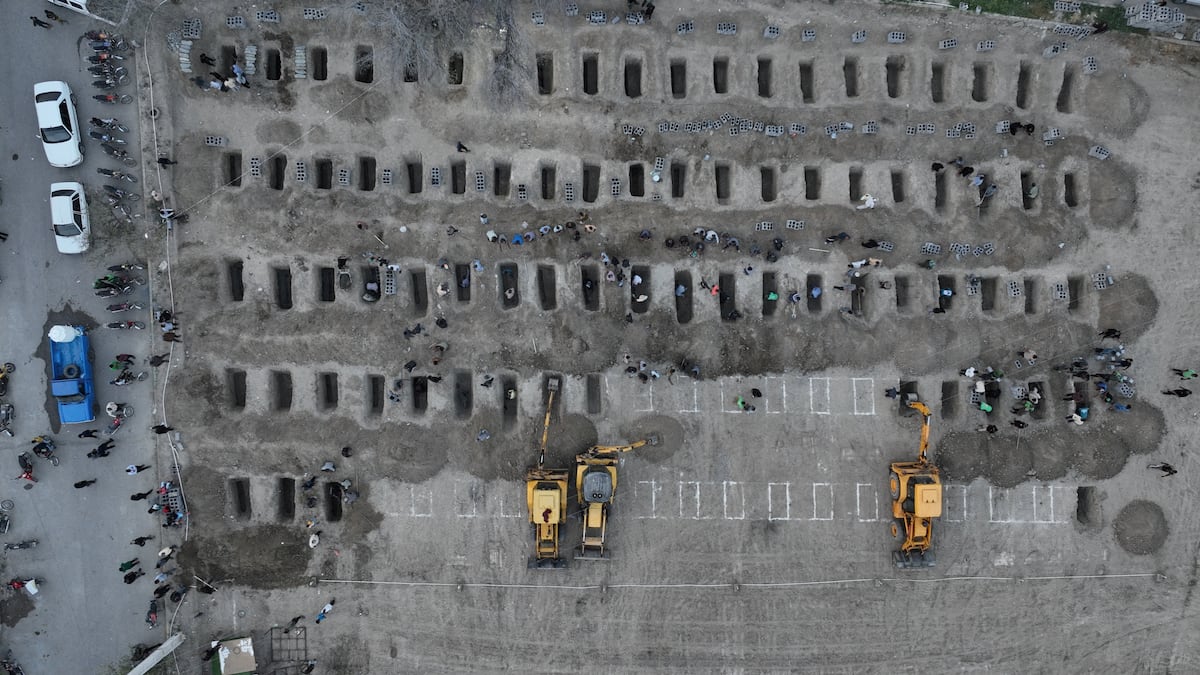
28 फरवरी 2026 को, ईरान के खिलाफ U.S. सैन्य कार्रवाई के पहले दिन, एक Tomahawk cruise मिसाइल ने Minab में ईरान के दक्षिणी Hormozgan प्रांत में Shajareh Tayyebeh प्राथमिक विद्यालय को नष्ट कर दिया। हमले में 168 लोग मारे गए, जिनमें 12 वर्ष से कम उम्र के 100 से अधिक बच्चे थे। स्कूल एक Islamic Revolutionary Guard Corps नौसैनिक प्रतिष्ठान से 100 गज से कम दूरी पर स्थित था — एक दीवार द्वारा अलग किया गया था जिसका निर्माण 2013–2016 के satellite imagery में दर्ज था। वह दीवार, और जिस स्कूल को यह घेरे हुए था, उसे intelligence database में अपडेट नहीं किया गया था जिसने लक्ष्य उत्पन्न किया।
लक्ष्य Maven Smart System द्वारा उत्पन्न किया गया था, एक Palantir Technologies द्वारा निर्मित प्लेटफॉर्म जो $1.3 billion Pentagon contract के तहत संचालित होता है। Maven satellite imagery, drone feeds, radar returns, और signals intelligence को fuse करता है, फिर एक AI layer का उपयोग करता है — Anthropic के Claude model पर निर्मित — लक्ष्यों को rank और recommend करने के लिए। कार्रवाई के पहले 24 घंटों में, सिस्टम ने सैकड़ों coordinates उत्पन्न किए और 1,000 से अधिक strikes को support किया। यह U.S. सैन्य इतिहास में AI-assisted targeting की सबसे बड़ी operational परीक्षा थी। और इसने Minab पर हमला किया।
क्या गलत हुआ
आधिकारिक investigation, जो पिछले हफ्ते Congressional oversight committees को briefed की गई, विफलता को stale intelligence के कारण trace करती है न कि Maven के AI algorithms में किसी खराबी के कारण। Defense Intelligence Agency की targeting database को स्कूल के निर्माण को reflect करने के लिए अपडेट नहीं किया गया था। जब Maven ने उस database को queried किया, तो इसने बिना किसी flag के adjacent IRGC प्रतिष्ठान के coordinates return किए कि दशक के दौरान एक नई structure प्रकट हुई थी। मिसाइल ने उन coordinates को follow किया।
पूर्व targeting officers जिन्होंने findings की समीक्षा की है, वे कहते हैं कि निष्कर्ष कि "मनुष्य — AI नहीं — दोषी हैं" तकनीकी रूप से सटीक है लेकिन operational reality को miss करता है। Maven से पहले, इस संवेदनशीलता के हमले के लिए targeting process में मानव समीक्षा की कई layers, collateral damage estimation, और अपडेट किए गए imagery के विरुद्ध cross-referencing शामिल होता। Maven की architecture को पहले operational day की volume और speed आवश्यकताओं को पूरा करने के लिए compressed किया गया था। एक लक्ष्य जो पूर्ववर्ती system के तहत घंटों की मानव scrutiny प्राप्त करता वह Maven के तहत मिनटों में प्राप्त हुआ।
Maven की Accuracy Record
Minab हमले ने public reckoning को performance data के साथ force किया जो Pentagon आम तौर पर सार्वजनिक documents से बाहर रखता है। Iran campaign में Maven की overall targeting accuracy लगभग 60 percent पर assess की गई है — अर्थात् सिस्टम द्वारा उत्पन्न लक्ष्यों में से लगभग दो में से एक में errors हैं जो strike outcome को प्रभावित करने के लिए पर्याप्त हैं, जिसमें civilian structure misidentification शामिल है। तुलना के लिए, experienced human analysts जो समान time constraints के तहत समान target sets पर काम कर रहे हैं, लगभग 84 percent accuracy प्राप्त करते हैं।
adverse conditions में — poor lighting, heavy cloud cover, active countermeasures — Maven की accuracy 30 percent से नीचे गिर जाती है। सिस्टम के confidence scores, targeting terminals पर operators को displayed, accordingly adjust नहीं होते। एक 2021 Air Force study एक पूर्ववर्ती targeting AI की पाई कि सिस्टम अपने outputs में 90 percent confidence ratings display करता था जबकि field evaluation के दौरान केवल 25 percent real-world accuracy achieve करता था। Maven के operators ने displayed confidence और actual reliability के बीच समान mismatches की report दी है।
The Institutional Infrastructure That Wasn't There
हमले ने यह भी exposed किया कि मानव oversight structures जो AI errors को catch करने के लिए designed किए गए थे, वह कार्रवाई शुरू होने से पहले कितनी हद तक hollowed out हो गई थे। Pentagon का Civilian Protection Center of Excellence, जिसे civilian casualties को minimize करने के लिए AI-assisted operations में doctrine develop और procedures review करने का काम दिया गया था, का budget और staff लगभग 90 percent कम किया गया था Iran campaign से 18 महीने पहले। CENTCOM की dedicated civilian casualty assessment team — वह unit जो strike outcomes को review करने और investigation की आवश्यकता वाले patterns को flag करने के लिए जिम्मेदार थी — को 10 personnel से एक single officer में reduce किया गया था।
वह reductions एक broader institutional posture को reflect करते हैं जिसमें Maven को scale पर deploy करने को एक efficiency gain माना जाता था जो parallel human review structures की आवश्यकता को reduce करता था। यह assumption था कि AI targeting process को faster और अधिक accurate दोनों बनाएगा, responsible operation के लिए required मानव workload को reduce के बजाय increase करके। Minab outcome suggest करता है कि assumption गलत था।
The Mandated Rollout Continues
Investigation findings के बावजूद, Deputy Secretary of Defense Steve Feinberg Maven को एक official program of record के रूप में formalize करने के साथ आगे बढ़ गया है, एक mandate के साथ September 2026 तक सभी military branches में adoption की आवश्यकता है। rationale, officials के अनुसार जो decision के बारे में briefed हैं, यह है कि Iran campaign की overall targeting performance — Minab हमले सहित — अभी भी बिना सिस्टम के संभव से बेहतर represent करता है। उस गति पर जो Maven को operation के पहले घंटों में targeting enable करता है, threat environment को देखते हुए एक strategic necessity माना जाता है।
Pentagon के अंदर और बाहर के critics argue करते हैं कि September mandate Minab investigation में identified oversight और database currency problems को fix करने से पहले deploy करने के लिए pressure create करता है। एक Ukrainian drone developer जिसने combat conditions में semi-autonomous systems के साथ काम किया है, strike के बाद एक public statement में कहा कि Minab "semi-autonomous warfare का एक familiar danger exposed करता है: system specification के अनुसार perform करता है, specification गलत थी, और बच्चे मर गए।"
Reform कैसे दिखता है
Pentagon के अंदर और defense policy researchers के बीच circulate करने वाले proposals में AI-generated targeting में उपयोग की जाने वाली intelligence database entries के लिए mandatory freshness requirements शामिल हैं — कोई भी entry जो 30 दिन से पुरानी हो, बिना human review के autonomous recommendation के लिए eligible नहीं होगी। Others propose करते हैं कि Maven के confidence display को accuracy-range estimates से replace किया जाए जो adverse conditions के तहत known performance degradation को reflect करते हैं, ताकि operators को reliability की अधिक honest picture मिले। Civilian protection और casualty assessment infrastructure को restore करना जो campaign से पहले cut किया गया था, system के responsible continued operation के लिए एक prerequisite के रूप में widely cited है।
जो reform agenda पर नहीं है, officials के अनुसार, वह है एक comprehensive review के pending Maven को suspend करना। सिस्टम अब multiple theaters में operational planning में embedded है, और AI-assisted targeting के पीछे institutional momentum substantial है। बहस अब यह नहीं है कि क्या AI targeting decisions में assist करेगा, बल्कि यह है कि कौन से safeguards exist होने चाहिए इससे पहले कि ऐसे systems की speed advantages को deliberation को override करने की अनुमति दी जाए जो human review provide करता है।
यह article Defense News द्वारा reporting पर आधारित है। Original article को पढ़ें।
Originally published on defensenews.com