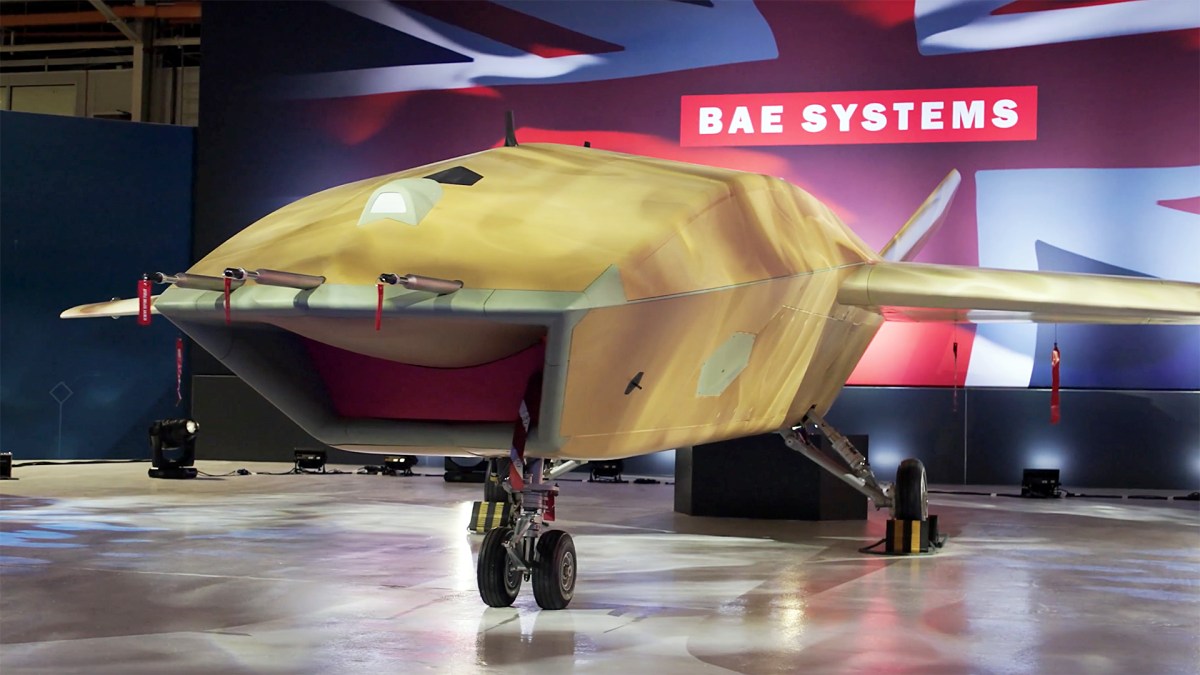
UK ने एक नवीन loyal wingman drone उघड केला आहे
BAE Systems ने 22 जुलै रोजी Brontanax चे अनावरण केले, जो Royal Air Force साठी डिझाइन केलेला एक नवीन collaborative combat aircraft आहे. वेगाने बदलणाऱ्या crewed-uncrewed air combat teaming बाजारात United Kingdom ला अर्थपूर्ण देशांतर्गत भूमिका हवी आहे, याचे हे आतापर्यंतचे सर्वात स्पष्ट सार्वजनिक संकेतांपैकी एक आहे.
हे विमान इंग्लंडमधील Farnborough International Airshow येथे सादर करण्यात आले, RAF ने आपल्या collaborative combat aircraft प्रयत्नाला Storm Fighter हे नाव दिल्यानंतर एका आठवड्यापेक्षाही कमी कालावधीत. या दोन घोषणा मिळून UK आता फक्त संकल्पना चर्चेतून पुढे जाऊन hardware, testing, आणि operational experimentation कडे वळत असल्याचे सूचित करतात.
BAE Brontanax ला British-designed platform म्हणून आणि, महत्त्वाचे म्हणजे, technology demonstrator ऐवजी operational prototype म्हणून वर्णन करते. हा फरक महत्त्वाचा आहे. याचा अर्थ कंपनी autonomy आणि teaming यांच्या कल्पना केवळ शोधत नाही, तर प्रत्यक्ष परिस्थितींमध्ये लष्करी मूल्यांकनास मदत करू शकेल अशी प्रणाली तयार करत आहे.
हे prototype Lancashire मधील BAE च्या Warton facility मध्ये गुप्तपणे तयार करण्यात आले असल्याचे सांगितले जाते. आता तेथे ground testing साठी तयारी सुरू आहे, त्यानंतर UK airspace मध्ये flight testing होईल. अनावरणासोबत उद्धृत केलेल्या अहवालांनुसार, ते 2027 पर्यंत NATO exercise मध्ये सहभागी होऊ शकते.
Brontanax कशाचे प्रतिनिधित्व करते
Collaborative combat aircraft, ज्यांना अनेकदा loyal wingman drones म्हटले जाते, crewed fighters सोबत काम करण्यासाठी डिझाइन केले जातात. प्रत्यक्षात, ते manned aircraft ची पोहोच वाढवू शकतात, sensors किंवा weapons वाहू शकतात, contested environments मध्ये धोका पत्करू शकतात, आणि अधिक पारंपरिक fighter jets तैनात करण्यापेक्षा कमी खर्चात commanders ना अधिक mass देऊ शकतात.
रणनीतिक आकर्षण सोपे आहे. आधुनिक हवाई दलांना increasingly dense air defenses, वाढत्या aircraft costs, आणि pilot pipelines किंवा procurement budgets प्रमाणानुसार न वाढवता अधिक combat power निर्माण करण्याच्या दबावाचा सामना करावा लागत आहे. चांगल्या प्रकारे एकत्रित uncrewed aircraft family या तीनही समस्यांवर संभाव्य उत्तर देते.
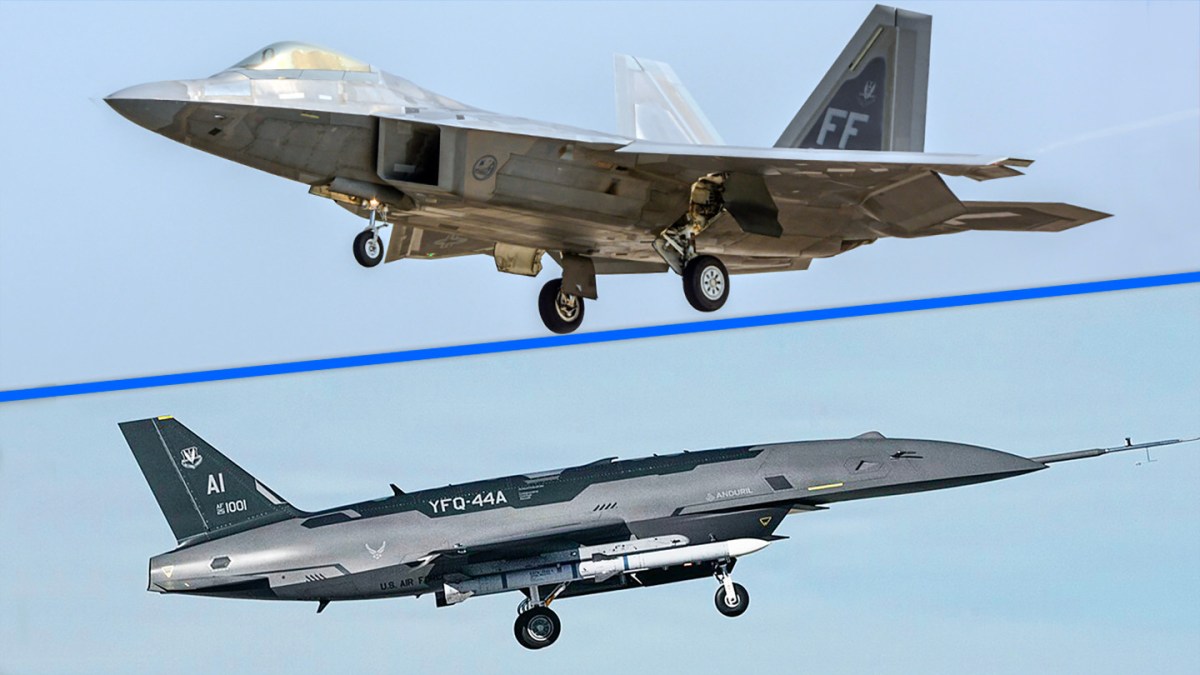
म्हणूनच प्रमुख combat aviation powers या संकल्पनेत मोठी गुंतवणूक करत आहेत. United States कडेही स्वतःची collaborative combat aircraft मोहीम आहे. Europe भविष्यातील air combat systems चा भाग म्हणून advanced uncrewed teaming चे अनेक मार्ग शोधत आहे. UK ने Brontanax ला व्यापक Storm Fighter push शी जोडून हे स्पष्ट केले आहे की London या बदलात केवळ ग्राहक किंवा कनिष्ठ भागीदार राहू इच्छित नाही.
Royal Air Force ने आपले उद्दिष्ट विशेष व्यापक शब्दांत मांडले असून, ते Europe ची पहिली sixth-generation air force घडवण्याच्या दिशेचा भाग असल्याचे म्हटले आहे. हे लेबल अद्याप आकांक्षापूर्ण असले, तरी Brontanax त्या दाव्याला अधिक ठोस औद्योगिक रूप देतो.
आतापर्यंत काय माहिती आहे
BAE Systems ने केवळ मर्यादित तांत्रिक तपशील उघड केले आहेत. कंपनीच्या मते Brontanax चा आकार सुमारे Hawk advanced jet trainer इतका आहे, म्हणजे त्याची लांबी जवळपास 41 feet आणि wingspan सुमारे 33 feet आहे. अनावरणातील प्रतिमा stealth-oriented design कडे निर्देश करतात, ज्याचा उद्देश दृश्यता कमी करणे आहे आणि contested airspace मधील अपेक्षित मिशनशी ते जुळते.
याच्या पुढे, अनेक महत्त्वाचे प्रश्न अद्याप खुले आहेत. कंपनीने सार्वजनिकपणे विमानाची performance targets, mission systems, endurance, weapons options, किंवा crewed aircraft सोबत एकत्रितपणे काम करू देणाऱ्या autonomy stack ची architecture सांगितलेली नाही.
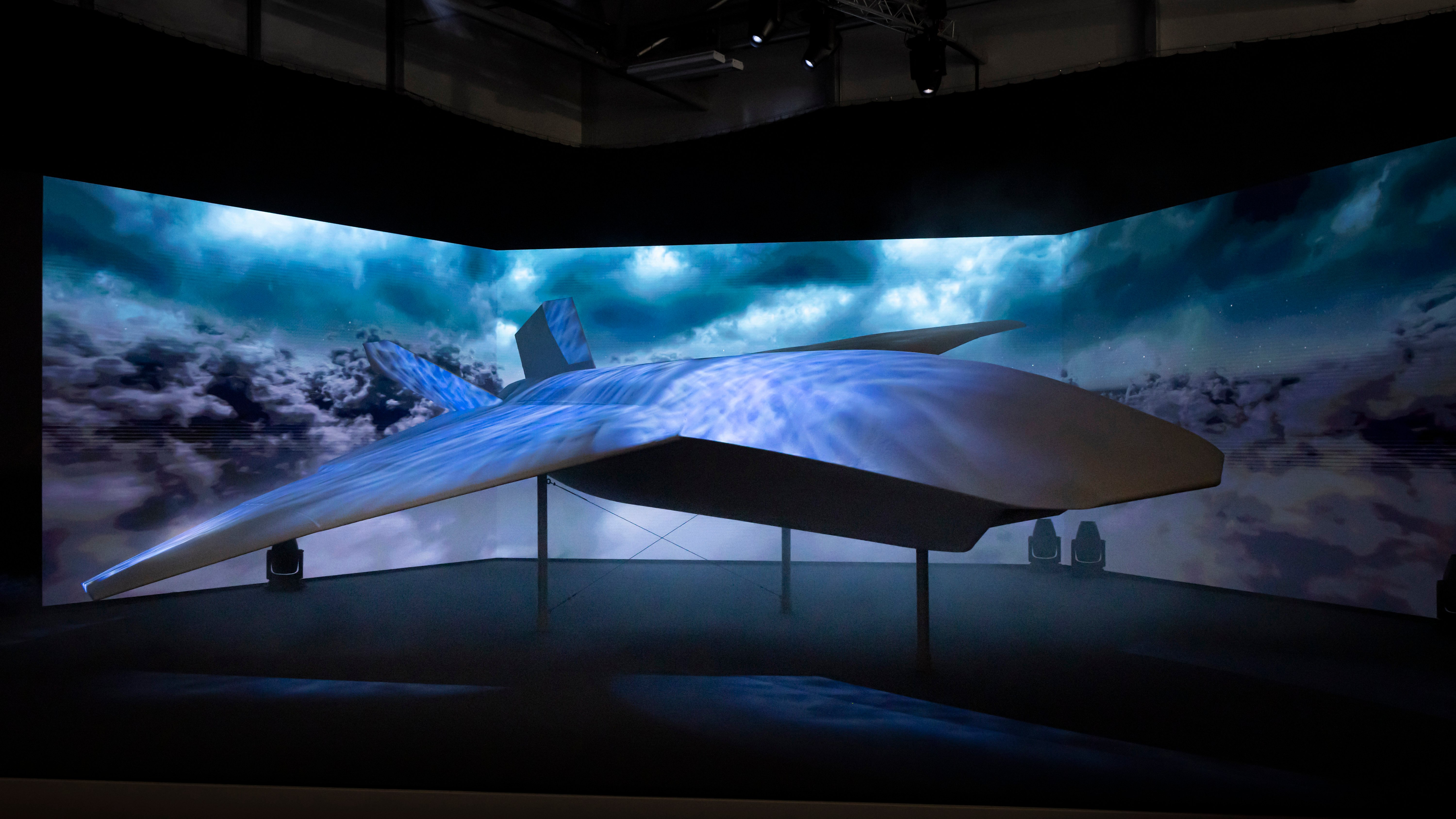
या टप्प्यावर अशा उणिवा आश्चर्यकारक नाहीत. Collaborative combat aircraft programs अनेकदा गती दाखवण्याची गरज आणि संवेदनशील माहितीचे संरक्षण करण्याची गरज यांच्यात समतोल राखतात. पण त्यामुळे Brontanax ला सध्या पूर्णपणे तपशीलवार combat system म्हणून नव्हे, तर औद्योगिक आणि रणनीतिक संकेत म्हणून समजले पाहिजे हेही स्पष्ट होते.
तरीही हे अनावरण महत्त्वाचे आहे, कारण ते चर्चेला PowerPoint renderings च्या पुढे नेते. एक physical prototype विकासाचा वेग बदलतो. Ground testing डिझाइन tradeoffs लवकर उघड करू शकते, आणि flight testing सुरू होईल की विमान operational teaming साठी आवश्यक handling, integration, आणि reliability समर्थित करू शकते का.
Typhoon, F-35 आणि Tempest यांच्याशी जोडलेले
Brontanax एक स्वतंत्र प्रकल्प दिसत नाही. त्याचा वेळ BAE च्या व्यापक कामाशी जुळतो, ज्यात Eurofighter Typhoon आपली क्षमता वाढवण्यासाठी collaborative aircraft कसे नियंत्रित करू शकते हे पाहिले जात आहे. हा दुवा महत्त्वाचा आहे, कारण RAF ला आजच्या force structure आणि भविष्यातील combat aviation योजनांतून उदयास येणाऱ्या प्रणालींमध्ये व्यावहारिक पूलांची गरज असेल.
निकट भविष्यात Typhoon integration असा एक पूल ठरू शकतो. दीर्घकाळात, Brontanax किंवा त्यातून मिळालेले धडे UK च्या F-35 fleet आणि भविष्यातील Tempest combat aircraft सोबत कार्य करणाऱ्या uncrewed systems ना दिशा देऊ शकतात.
ही स्तरित उपयुक्तता या प्रकल्पाच्या सर्वात मजबूत वैशिष्ट्यांपैकी एक असू शकते. केवळ दूरच्या next-generation fighter कार्यक्रमासाठी अस्तित्वात राहण्याऐवजी, Brontanax UK ला विविध aircraft types वर tactics, command relationships, आणि autonomy concepts तपासण्यास मदत करू शकतो. लष्करी procurement मध्ये, जे platforms तत्काळ चाचणी आणि दीर्घकालीन architecture दोन्हीत योगदान देतात, त्यांना doctrine आणि budgets वर प्रभाव टाकण्याची अधिक शक्यता असते.
वेळ का महत्त्वाचा आहे
उच्च-स्तरीय संघर्षांच्या धड्यांमुळे, औद्योगिक मर्यादांमुळे, आणि autonomy मधील जलद प्रगतीमुळे सैन्य दल force design चे पुनर्मूल्यांकन करत असताना ही घोषणा आली आहे. हवाई दलांना legacy manned aircraft पेक्षा जलद तयार करता येतील, अधिक जोखमीवर ठेवता येतील, आणि वारंवार adapt करता येतील अशी platforms हवी आहेत.
UK साठी, वेळेचा हा मुद्दा औद्योगिकदृष्ट्याही महत्त्वाचा आहे. advanced airpower मध्ये sovereign design आणि manufacturing capability धोरणात्मकदृष्ट्या मौल्यवान राहते, विशेषतः allied cooperation वाढत असताना programs, export opportunities, आणि technical leadership साठी स्पर्धा तीव्र असते. Farnborough येथे दाखवलेला homegrown prototype British industry future combat air मध्ये केंद्रस्थानी राहण्याचा निर्धार दर्शवतो, असा संदेश भागीदार, प्रतिस्पर्धी आणि गुंतवणूकदारांना सारखाच जातो.
तरीही, मोठी आव्हाने शिल्लक आहेत. Prototype status म्हणजे fielded system ची हमी नाही. RAF आणि BAE ला सिद्ध करावे लागेल की विमान command networks मध्ये समाकलित करता येते, कठीण operational conditions मध्ये विश्वसनीय आहे, आणि इतर defense priorities च्या तुलनेत योग्य ठरते. Autonomy, human-machine control, survivability, sustainment ही क्षेत्रे अजूनही अशा आहेत जिथे महत्त्वाकांक्षी कार्यक्रम अडखळू शकतात.
पण intent चा संकेत म्हणून Brontanax उल्लेखनीय आहे. UK ने collaborative combat aircraft बद्दल सर्वसाधारण भाषेत बोलण्यापासून विशिष्ट airframe दाखवण्यापर्यंत, ते नामांकित RAF program शी जोडण्यापर्यंत आणि testing च्या मार्गावर ठेवण्यापर्यंत मजल मारली आहे.
पुढे काय पाहावे
- BAE च्या Warton site वरील ground testing हा पुढचा अधिकृत विकास टप्पा असेल.
- UK airspace मधील flight testing maturity आणि intended operating concepts बद्दल अधिक माहिती देईल.
- 2027 मध्ये NATO exercise सहभाग झाला, तर तो public unveiling पासून operational experimentation पर्यंत असामान्य वेगवान प्रगतीचे लक्षण ठरेल.
- Autonomy, payloads, आणि control links याबद्दल अधिक खुलासे Brontanax ला भविष्यातील combat capability म्हणून किती गांभीर्याने पाहावे, ते ठरवतील; केवळ उच्च-प्रोफाइल prototype म्हणून नव्हे.
हा लेख twz.com च्या रिपोर्टिंगवर आधारित आहे. मूळ लेख वाचा.
Originally published on twz.com