जगतातील सर्वात गरम बॅटरी
Fourth Power, MIT पासून विभक्त झालेल्या एक स्टार्टअप, सुमारे 4,350 डिग्री फारेनहाइट पर्यंत गरम केलेल्या भारी कार्बन ब्लॉकमध्ये विद्युत उष्णता म्हणून संचयित करणारी व्यावसायिक thermal battery सुरू करण्यासाठी तयार होते. MIT heat transfer प्राध्यापक Asegun Henry द्वारे विकसित हे तंत्रज्ञान, ग्रिड-स्केल ऊर्जा संचयनाचे एक मूलभूतपणे भिन्न दृष्टिकोन प्रतिनिधित्व करते जे दीर्घकालीन अनुप्रयोगांसाठी lithium-ion बॅटरीच्या तुलनेत लक्षणीय खर्च आणि स्थिति लाभ प्रदान करू शकते.
कंपनीचे नाव Stefan-Boltzmann कायद्यावरून येते: या चरम तापमानांवर, उष्णता दुप्पट केल्यास प्रकाश उत्पादन 16 च्या घटकाने वाढते — चौथ्या शक्तीच्या — उष्णताला thermophotovoltaic पेशींद्वारे विद्युतमध्ये रूपांतरित करण्यामध्ये कार्यक्षमता नाटकीयरित्या सुधारते.
थर्मल ऊर्जा संचयन कसे कार्य करते
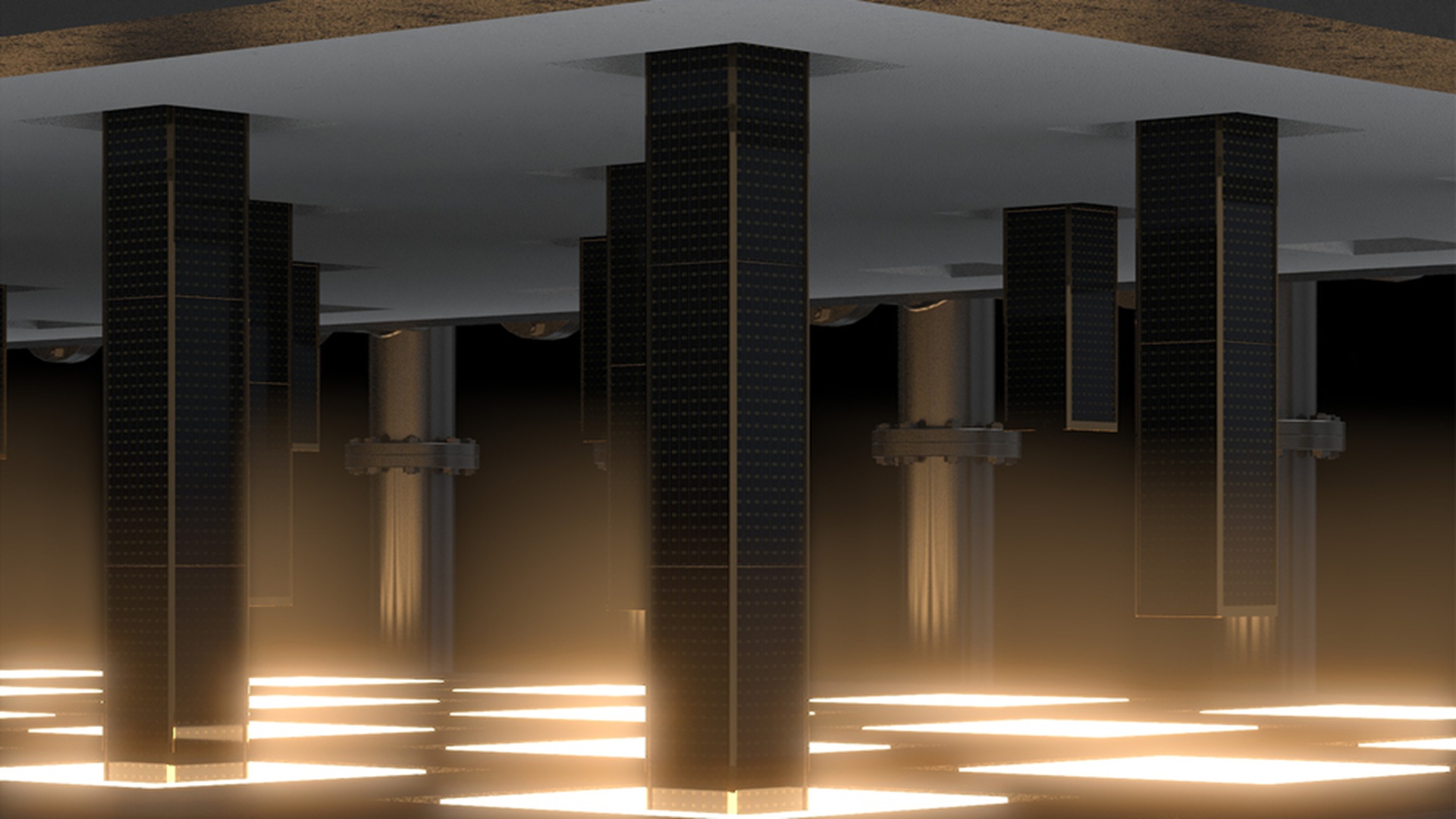
प्रणाली संकल्पनारित्या सरल परंतु तांत्रिकरित्या मागणी असलेल्या तत्त्वावर कार्य करते. जेव्हा अतिरिक्त विद्युत उपलब्ध असते — दिवसाच्या मधोमध सौर पॅनेलांपासून, किंवा ऑफ-पीक तासांदरम्यान wind turbines पासून — ते विद्युत प्रतिरोध वापरून कार्बन ब्लॉक उष्ण करते. कार्बन इन्सुलेटेड एनक्लोजरमध्ये राखले जाते जेथे ते दैनिक केवळ सुमारे एक टक्के नुकसानात थर्मल ऊर्जा राखते.
जेव्हा विद्युत आवश्यक असते, तेव्हा गरम कार्बन ब्लॉक तीव्र थर्मल रेडिएशन उत्सर्जित करते. हे रेडिएशन thermophotovoltaic पेशींद्वारे कॅप्चर केले जाते — विशेष semiconductors जे ताप रेडिएशनला विद्युतमध्ये रूपांतरित करते, सौर पॅनेलांसारखे कार्य करते परंतु थर्मल ऊर्जेसाठी. TPV पेशी 40 टक्क्यापेक्षा अधिक कार्यक्षमतेने रेडिएशनला विद्युतमध्ये रूपांतरित करते, हे एक रेकॉर्ड जे Henry च्या टीमने प्रयोगशाळेच्या परिस्थितीत प्रदर्शित केले. कार्बन ब्लॉक आणि TPV पेशींमधील heat transfer वितळलेल्या टिन पंपांच्या प्रणालीद्वारे व्यवस्थापित केले जाते — एक नवोद्भावन ज्याने Henry ला 2017 मध्ये सर्वात गरम द्रव पंपसाठी Guinness World Record दिला.
कार्बन ब्लॉक धातूऐवजी का वापरतात
Graphite carbon ला संचय माध्यम म्हणून निवडणे प्रणालीचे अर्थशास्त्र केंद्रित करते. बहुतांश थर्मल संचय पद्धती लोह किंवा अॅलुमिनियम यांसारख्या धातूंचा वापर करते, जे उच्च-कार्यक्षमता रूपांतरणासाठी आवश्यक तापमानांवर महाग आणि संरचनात्मकदृष्ट्या आव्हानास्पद बनतात. ग्रेफाइट वितळल्याशिवाय किंवा विषबाधीत होऊन चरम उष्णता सहन करू शकते, वितळलेल्या टिन heat transfer द्रवकडून प्रतिक्रिया करत नाही, आणि कच्चा माल म्हणून विपुल आणि तुलनेने स्वस्त आहे.
हे सामग्री लाभ Fourth Power ला स्केलवर lithium-ion खाली संचय खर्च लक्षणीयरित्या लक्ष्य करण्यास अनुमती देते. कंपनीचे अनुमान आहे की व्यावसायिक तैनाती स्केलवर, त्याचे तंत्रज्ञान lithium-ion खर्चाचा अपूर्णांक दीर्घकालीन संचय प्रदान करू शकते — उपयोगिता आणि ग्रिड-स्केल बाजारासाठी गंभीर जेथे स्थिति राउंड-ट्रिप कार्यक्षमता जितकीच महत्त्वाची आहे.
दीर्घकालीन संचय अंतर
Lithium-ion बॅटरीने short-duration ग्रिड संचय रूपांतरित केले — नवीकरणीय परिवर्तनशीलता सुचारू करण्यासाठी दोन ते चार तास संचय करणे आवश्यक असलेल्या प्रणालीं. परंतु ग्रिड सौर आणि wind शक्तीवर अधिकाधिक अवलंबून राहिल्याने, कमी पीढीच्या बहु-दिवसीय कालावधी कव्हर करणारे संचय आवश्यकता वाढत आहे. Fourth Power ची प्रणाली या अंतरासाठी विशेषतः डिজाइन केली गेली आहे: आधारभूत कॉन्फिगरेशन 10 तासांचा संचय प्रदान करते, आणि अधिक संचय मॉड्यूल जोडल्यास स्थिति रेखीयरित्या वाढते. पूर्ण-स्केल स्थापन 25 megawatts शक्ती आणि 250 megawatt-hours संचय प्रदान करेल.
कंपनी 2026 च्या उत्तरार्धात one-megawatt-hour पायलट प्रणाली प्रदर्शित करण्याची योजना करत आहे, तंत्रज्ञान स्केलवर प्रमाणित होताच पूर्ण व्यावसायिक तैनातीचे अनुसरण करण्यासाठी. प्रदर्शन अंदाजे खर्च आणि कार्यक्षमता पुष्टि केल्यास, या तापमानांवर thermal energy संचय ऊर्जा पुरवठा प्रणाली संचय अंतराच्या एक मुख्य घटक बनू शकते, जे renewable ऊर्जाला ऋतु आणि हवामान नमुन्यांमध्ये विश्वसनीय करते — intermittency समस्येचे दीर्घकालीन समाधान जे स्वच्छ ऊर्जा संक्रमणाचे मुख्य आव्हान रहिले आहे.
हा लेख Interesting Engineering च्या रिपोर्टिंगवर आधारित आहे. मूळ लेख वाचा.
Originally published on interestingengineering.com