कक्षेतून बुद्धिमत्ता
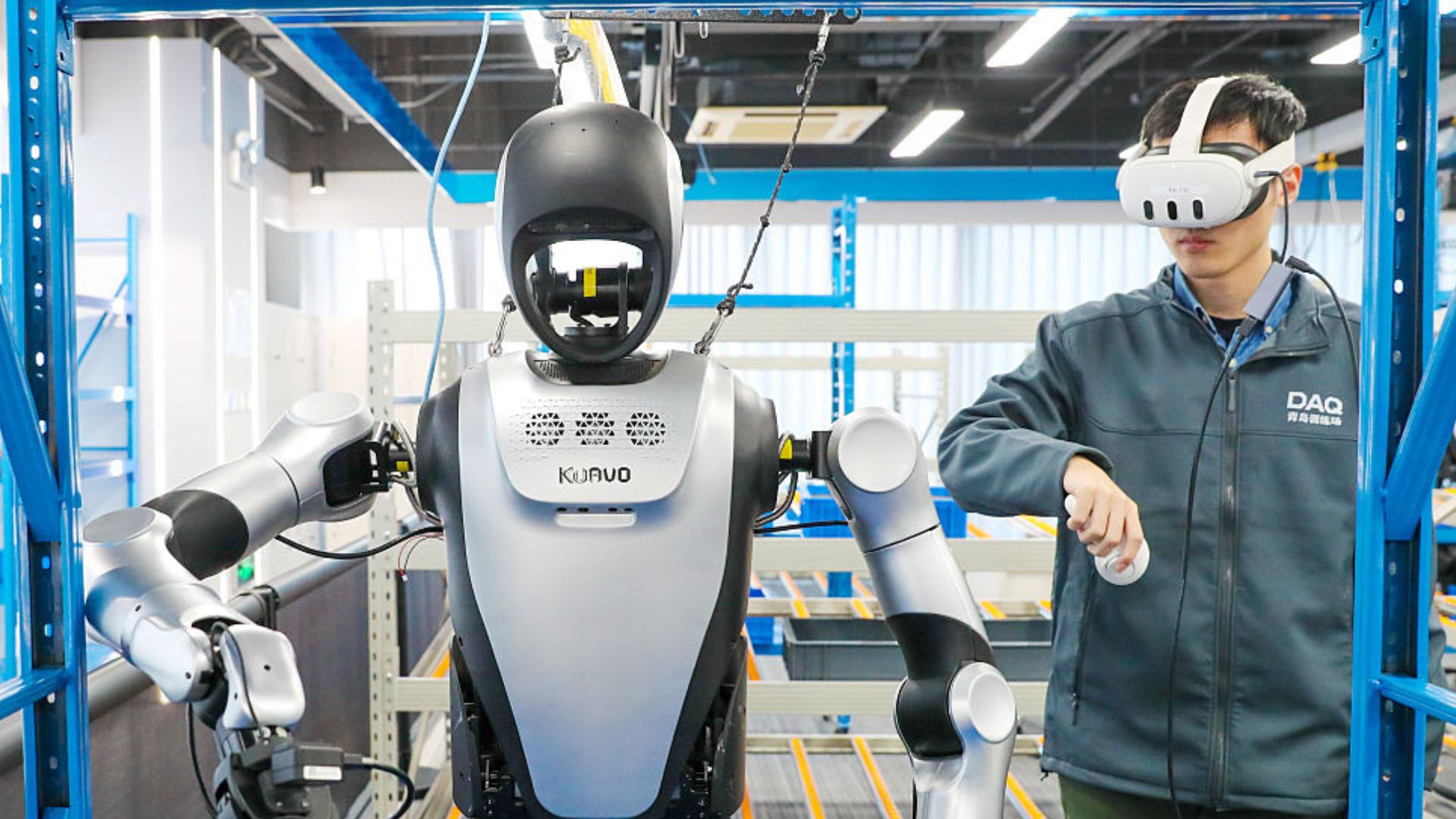
GuoXing Aerospace Technology आणि Shanghai Jiao Tong University कडून चीनी दलाने केलेल्या पहिल्या यशस्वी प्रदर्शनात, कक्षामध्ये चालणारे कृत्रिम बुद्धिमत्ता inference वापरून जमिनीवर आधारित humanoid रोबोट नियंत्रित केल्याचे दिसते — उपग्रह समूहामध्ये व्हॉयस कमांड्स प्रक्रिया करून, रिअल टाइमवर पृथ्वीला मोशन निर्देश परत पाठवत आहेत.
तांत्रिक सेटअप रिले चेन म्हणून कार्य करतो: मानव ऑपरेटर जमिनीवर व्हॉयस कमांड जारी करतो. तो कमांड GuoXing च्या low Earth orbit उपग्रह समूहात प्रसारित केला जातो, जेथे Alibaba च्या Qwen3 large language model — उपग्रहांवरील radiation-shielded computing hardware वर चालणारा — कमांड प्रक्रिया करून मोशन निर्देश तयार करतो. ते निर्देश पृथ्वीला परत प्रसारित केले जातात, जेथे OpenClaw नामक open-source AI agent त्यांचे रोबोटचे शारीरिक हालचाली मध्ये अनुवाद करतो.
हे का महत्वाचे आहे
हे प्रदर्शन अनेक जोडलेल्या कारणांसाठी महत्वाचे आहे. प्रथमत:, जटिल AI inference — केवळ डेटा रिले नाही, तर वास्तविक गणना — कक्षीय hardware वर विश्वासार्हतेने चालते हे प्रमाणित करते, जे space च्या thermal, radiation, आणि vibration वातावरणाला उघडलेले आहे. कक्षामध्ये large language model चालवणे हे orbital systems गतपूर्वी हाताळलेल्या अपेक्षाकृत साध्य गणनेपेक्षा गुणात्मकदृष्ट्या वेगळे अर्जन आहे.
दुसरत:, हे दूरवर वातावरणात स्वायत्त प्रणालींचा उपयोग करण्यात अत्यंत पीडादायक समस्येचा संभाव्य उपाय प्रदर्शित करते: नेटवर्क कनेक्टिव्हिटी. स्वायत्त रोबोट, drones, आणि vehicles disaster zones, remote wilderness, deep ocean वातावरण, किंवा conflict areas मध्ये कार्यरत असताना ते अनेकदा terrestrial networks ला प्रवेश गमावतात, जे cloud-based AI systems ला आवश्यक आहे. Space-based inference या अवलंबनाला दूर करते — एक स्वायत्त प्रणाली उपग्रहाशी संप्रेषण करू शकेल तर, स्थानिक infrastructure वर अवलंबून न राहता AI reasoning क्षमता प्रवेश करू शकते.

पार केलेल्या तांत्रिक आव्हानांची
Space मध्ये AI computing hardware चलवणे जमिनीवरील चालविणे कडून लक्षणीयरीत्या कठीण आहे. Solar radiation आणि cosmic rays semiconductor devices मध्ये bit-flip errors कारण बनवतात, जे ground-based systems हाताळू शकतात परंतु कक्षामध्ये अधिक चुकीचे बनतात. Thermal वातावरण देखील अत्यंत आहे — AI chips लक्षणीय उष्णता निर्माण करतात, जे जमिनीवर fans आणि liquid cooling ने काढून टाकले जाते, परंतु space मध्ये फक्त radiation द्वारे dispersed करावे लागते.
GuoXing च्या दृष्टिकोनामध्ये कक्षीय वातावरणासाठी विशेषत: डिजाइन केलेले shielded computing hardware आहे, शक्यता radiation-hardened components आणि thermal management designs वापरून, जे विश्वासार्हतेसाठी कमी परिपूर्ण कार्यक्षमता स्वीकारतात. Qwen3 रिअल-टाइम रोबोट नियंत्रणासाठी पुरेशा वेगातून inference tasks चालवू शकतो हे तथ्य ही engineering challenges अनुभव स्तरावर सोडविल्या गेल्याचे सूचित करते.
Constellation आणि Vision
GuoXing आधीच 12 उपग्रह तैनात केले आहेत आणि 2026 मध्ये दोन अतिरिक्त clusters तैनात करण्याचा आणि 2030 द्वारा 1,000 उपग्रहांचा लक्ष्य असलेली योजना आहे. त्यांचे दीर्घकालीन vision inference satellites आणि training satellites मध्ये विभाजित केलेल्या 2,800-उपग्रह नेटवर्क 2035 द्वारे वर्णन करते — जागतिक स्तरावर AI computation साठी dedicated orbital infrastructure.
हा महत्वाकांक्षा लक्षणीय engineering आणि economic challenges ला सामोरे जाते, परंतु अंतर्निहित तर्क योग्य आहे: जसजसे स्वायत्त प्रणाली पृथ्वीवर प्रत्येक वातावरणात पसरतात, विश्वसनीय ground networks नेहमी उपलब्ध असतील हे गृहीत लेखून जबाबदारी बनते. Orbital AI infrastructure कोणत्याही देशाच्या communication infrastructure वर अवलंबून न राहता fallback प्रदान करते.
चीनच्या व्यापक तंत्रज्ञान महत्वाकांक्षांसाठी, space-based AI inference दोन domains च्या अभिसरण प्रतिनिधित्व करते, जेथे देश द्रुत प्रगती करीत आहे: large language model विकास आणि commercial space launch क्षमता. Humanoid रोबोट प्रदर्शन चीन-आधारित operators ना जागतिक स्वायत्त प्रणाली बाजारांमध्ये अद्वितीय क्षमता देऊ शकणारी कौशल्य प्रमाण आहे.
हा लेख Interesting Engineering द्वारे रिपोर्टिंगवर आधारित आहे. मूळ लेख वाचा.
Originally published on interestingengineering.com