AI in Healthcare Raises Liability Concerns
As artificial intelligence becomes increasingly integrated into the UK's National Health Service (NHS), a new report warns that doctors and the health service could face medical negligence lawsuits for mistakes made by AI tools. The report, published by the Medical Protection Society (MPS), which represents doctors accused of wrongdoing, highlights a critical gap in current UK law that leaves clinicians vulnerable as the “liability sink” for AI errors.
Expanding Use of AI in the NHS
The NHS is deploying AI for a growing range of tasks, including analyzing scans and X-rays, generating summaries of doctor-patient conversations, and drafting letters to patients. While these technologies promise efficiency and improved diagnostics, they also introduce new risks. The MPS warns that under existing legal frameworks, clinicians could be held wholly liable for patient harm caused by AI mistakes, even when they followed the technology's recommendations.

Potential Scenarios of AI Harm
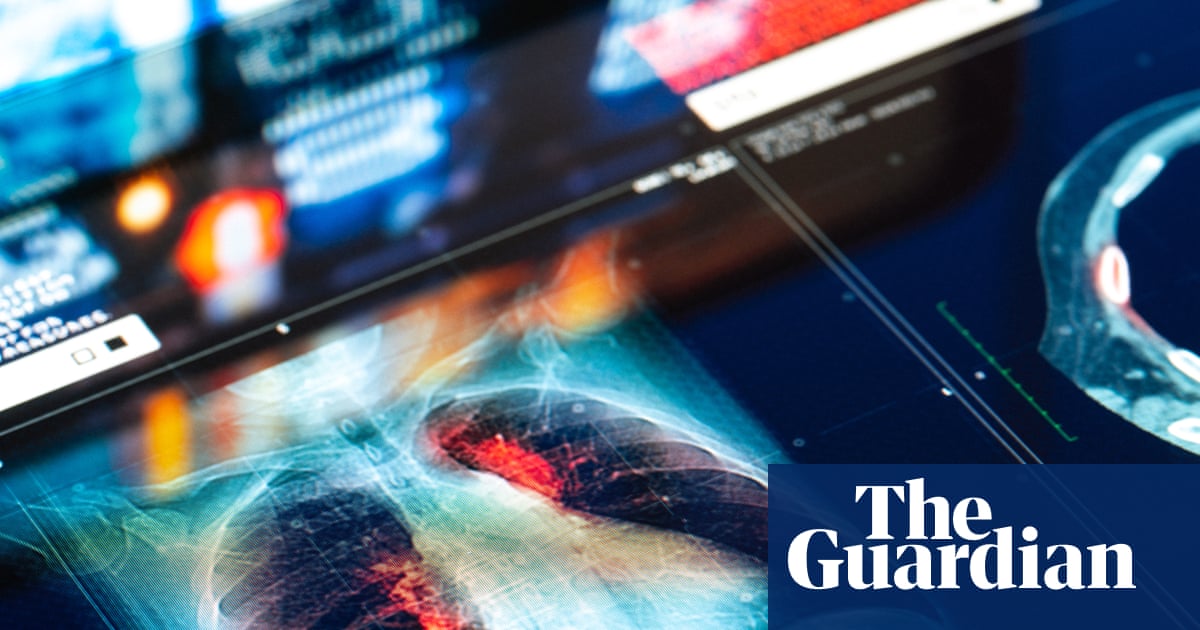
The report outlines specific examples where AI errors could lead to patient harm. For instance, an AI system might miss a tumor in a lung X-ray, leading to a false sense of reassurance and delayed treatment, potentially resulting in the patient's death from cancer. In another scenario, an AI could wrongly recommend increasing a patient's dose of warfarin, a blood thinner used for atrial fibrillation, causing severe bleeding that requires surgery and intensive care. In both cases, the MPS argues, there is a real risk that a clinical negligence claim would be brought against the doctor involved.
Current Legal Framework Inadequate
Under the current product liability framework in the UK, AI tools are not classified as products, meaning that clinicians and the NHS bear the brunt of liability. The MPS calls for the government to reclassify AI tools and systems as products under the Consumer Protection Act 1987. This change would help doctors and the NHS avoid liability for mistakes made by the technology, shifting some responsibility to manufacturers.

Urgent Need for Legal Reform
Dr. Sarah Townley, the MPS's deputy medical director, emphasized the urgency of the situation: “The law has always struggled to keep up with technological change. But with AI, the pace of change is so rapid that this gap feels less like a step and more like a widening gulf.” The report underscores that without legal reform, clinicians may become reluctant to adopt AI tools, stifling innovation and potentially compromising patient care.
Implications for Patients and Clinicians
The MPS's warning has significant implications for both patients and healthcare providers. Patients harmed by AI errors may face challenges in seeking compensation if the legal pathway is unclear. Meanwhile, clinicians may find themselves in a precarious position, caught between the pressure to adopt new technologies and the risk of personal liability. The report calls for a balanced approach that encourages innovation while protecting patients and healthcare professionals.

Conclusion
As AI continues to transform healthcare, the legal framework must evolve to address the unique challenges posed by these technologies. The MPS's report serves as a crucial reminder that the benefits of AI must be weighed against the risks, and that clear liability rules are essential to ensure safe and responsible adoption. Without action, the NHS and its doctors may face an increasing number of negligence claims that could undermine trust in both the technology and the healthcare system.
This article is based on reporting by The Guardian. Read the original article.
Originally published on theguardian.com


