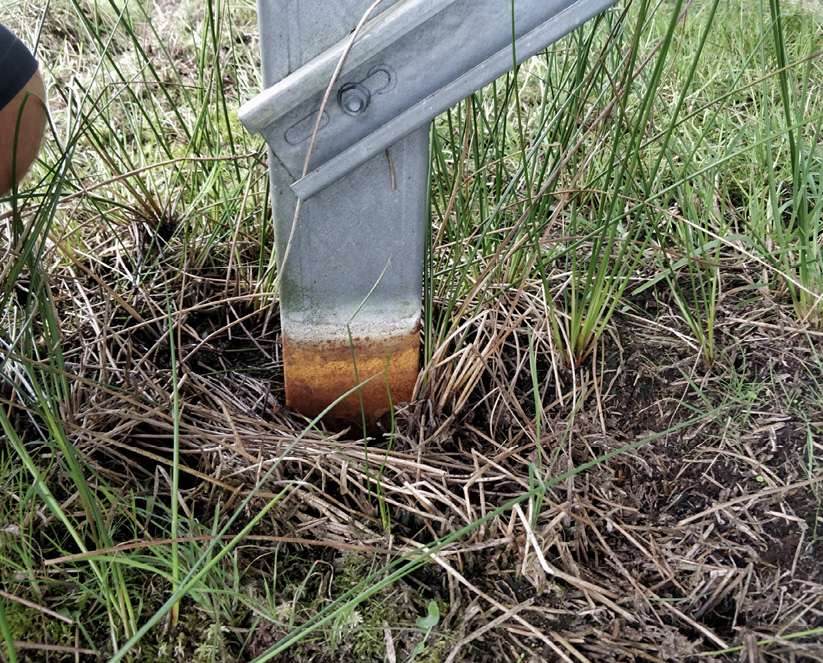
सोलर जोखीम यादीत गंज वर येत आहे
युटिलिटी-स्केल सोलरमध्ये, गंज नेहमीच हाताळता येण्याजोगी देखभाल समस्या मानली गेली आहे. PV Magazine ने अधोरेखित केलेल्या ताज्या विश्लेषणानुसार ही दृष्टी खूपच संकुचित आहे. 30-वर्षांच्या asset life मध्ये, गंज संरचनात्मक, विद्युत, आणि अग्निसुरक्षा समस्या बनू शकतो, ज्यामुळे operations and maintenance खर्च वाढतो आणि काही प्रकरणांमध्ये मोठे replacement किंवा वेळेआधी decommissioning करावे लागू शकते.
ही चेतावणी परिपक्व होत चाललेल्या उद्योगाचे प्रतिबिंब आहे. मोठे सोलर fleets कठोर वातावरणात वृद्ध होत असताना, coatings, fasteners, joints, आणि material selection मधील छोट्या कमकुवतपणा एकत्र येण्यासाठी अधिक वेळ मिळतो. दशके चालण्यासाठी डिझाइन केलेल्या प्रकल्पाने गंजाला केवळ सौंदर्यात्मक प्रश्न किंवा स्पष्ट नुकसान दिसल्यानंतरच विचारात घेण्याची बाब म्हणून पाहू शकत नाही.
गंज सर्वाधिक कुठे नुकसान करतो
स्रोत मजकुरानुसार, सर्वात असुरक्षित बिंदू बहुतेक interfaces असतात: bolted connections, weld seams, cut edges, आणि अशी ठिकाणे जिथे ओलावा, कचरा, आणि हालचाल हळूहळू संरक्षक थर कमकुवत करतात. Fasteners ही वारंवार उद्भवणारी समस्या आहे. एकदा bolt ला गंज लागला की, जे सामान्य servicing असायला हवे, ते श्रम-केंद्रित कापणी आणि बदलकामात बदलते.
लेख आणखी खोलवरचा operational risk दाखवतो. गंज फक्त वेळेनुसार धातू कमी करत नाही; तो joints मधील tolerances, friction, आणि contact quality बदलू शकतो. संरचनात्मक प्रणालींमध्ये, यामुळे दीर्घकालीन load performance वरचा विश्वास कमी होतो. विद्युत जोडण्यांमध्ये दाव अधिक मोठा आहे, कारण खराब होत जाणारे contact surfaces समस्या reliability पासून safety कडे ढकलू शकतात.
हा फरक project owners आणि insurers दोघांसाठी महत्त्वाचा आहे. गंजलेला frame member हळूहळू आणि दिसायला खराब होऊ शकतो. खराब झालेला विद्युत interface routine walkthroughs मध्ये दिसण्यापूर्वीच heat, failure points, किंवा fire risk निर्माण करू शकतो.

प्रतिक्रियात्मक देखभाल अनेकदा उशिरा का होते
स्रोताकडून मिळणारा सर्वात स्पष्ट संदेश म्हणजे periodic checks उपयुक्त असले तरी, reactive repairs खूप उशिरा येऊ शकतात. गंज स्पष्ट दिसेपर्यंत नुकसान आधीच hardware मध्ये खोलवर शिरलेले असू शकते, आणि mitigation options अधिक महाग आणि अडथळादायक ठरू शकतात. वेगवेगळे भाग बदलणे एक गोष्ट आहे; मोठ्या प्लांटमध्ये व्यापक structural remediation करणे पूर्णपणे वेगळी गोष्ट.
हे पायाभूत सुविधांमधील एक परिचित lifecycle problem आहे. अधःपतन सुरुवातीला थांबवणे स्वस्त, आणि नंतर उलटवणे महाग. सोलरला कधी कधी इतर generation assets च्या तुलनेत कमी देखभाल लागणारे तंत्रज्ञान मानले गेले आहे, पण त्याला materials science पासून सूट आहे असे समजणे चुकीचे ठरेल. salt, humidity, thermal cycling, mechanical stress, आणि debris photovoltaic installations ला वाचवत नाहीत, त्यांचे operating principle कितीही सुंदर असले तरी.
coastal regions, polluted industrial corridors, आणि वारंवार wet-dry cycles असलेल्या ठिकाणी ही आव्हानं अधिक तीव्र होतात. अशा ठिकाणी सुरुवातीपासूनच design margins आणि coating assumptions अधिक तपासणीला पात्र ठरतात.
डिझाइन आणि खरेदीवरील परिणाम
या विश्लेषणातून सूचित होते की corrosion management हे field repairs मध्येच नव्हे, तर upstream पासून सुरू झाले पाहिजे. Material choice, surface treatment quality, fabrication methods, drainage, galvanic compatibility, आणि cut edges चे treatment हे दीर्घकालीन टिकाव ठरवतात. Installation वेळी स्वस्त वाटणारे procurement decisions, दशकांनंतर महाग पडू शकतात.
Developers आणि asset owners यांनी आता विचारले पाहिजे की balance-of-system components 30 वर्षांच्या वापरासाठी पुरेशा वास्तववादाने तपासले जात आहेत का. Steelwork, fasteners, किंवा protective finishes मधील थोडी बचत, नंतर access crews ला seized hardware बदलावे लागले किंवा support structures मोठ्या प्रमाणात rehabilitate करावे लागले, तर पटकन नाहीशी होते.
याचा contract structures वरही परिणाम होतो. Warranty assumptions, inspection schedules, आणि maintenance reserves यांनी गंजाबद्दल अधिक गंभीर दृष्टीकोन प्रतिबिंबित करावा लागू शकतो. समस्या commissioning नंतरच आढळली, तर मालकांना manufacturing आणि design choices मध्ये आधीच बसलेला technical risk वाहावा लागतो.

स्थैर्य आणि तीव्र हवामान
स्रोत मजकूर गंजाला तीव्र घटनांमधील कमी resilience शीही जोडतो. ही framing मध्ये महत्त्वाची बदल आहे. सोलर assets कडून आता केवळ सामान्य परिस्थितीत उत्पादन अपेक्षित नाही, तर storms, flooding, heat, आणि इतर climate-related stresses मधूनही टिकून राहण्याची अपेक्षा आहे. गंज ordinary wear आणि structural failure यांमधील margin कमी करून हे स्थैर्य कमकुवत करतो.
वर्षानुवर्षे हळूहळू खराब झालेली racking किंवा connection system शांत हवामानात अजूनही चालू शकते असे दिसू शकते. पण तीव्र वारा किंवा संयुक्त भाराच्या वेळी material performance किंवा joint integrity मधील लपलेली हानी अधिक महत्त्वाची ठरते. त्या अर्थाने, गंज हा केवळ aging problem नाही; तो energy sector आधीच मॉडेल करण्याचा प्रयत्न करत असलेल्या इतर जोखमींचा multiplier आहे.
सोलरच्या औद्योगिक परिपक्वतेचे लक्षण
या चर्चेचे व्यापक महत्त्व असे की सोलर अधिक औद्योगिक, asset-management-heavy टप्प्यात प्रवेश करत आहे. सुरुवातीची वाढ deployment speed, घसरलेल्या module prices, आणि financing scale यांमुळे झाली. पुढचा काळ कशाने मोजला जाईल तर मैदानात बसवलेल्या fleets किती वर्षे टिकतात याने. त्यामुळे एकेकाळी दुय्यम वाटणाऱ्या engineering details वर लक्ष केंद्रीत होते.
Corrosion management त्या वर्गात मोडते. ते battery breakthroughs किंवा module efficiency records इतके दिसत नाही, पण प्रकल्प promised lifetime economics साध्य करतो की नाही, हे ठरवणारा मुद्दा हा आहे. उद्योगाचा low-cost narrative तेव्हाच टिकेल जेव्हा दीर्घकालीन विश्वासार्हता खरी असेल.
मालक, संचालक, आणि अभियंत्यांसाठी संदेश सोपा आहे: सोलरमधील गंज केवळ cosmetic नाही, आणि त्याला सामान्य मानू नये. तो मोजता येण्याजोगा operational, safety, आणि financial risk आहे, ज्याविरुद्ध डिझाइन, तपासणी, आणि लवकर कृती आवश्यक आहे. सोलर पायाभूत सुविधा जुनी होत असताना, हा संदेश दुर्लक्षित करणे अधिक कठीण होत जाईल.
हा लेख PV Magazine च्या रिपोर्टिंगवर आधारित आहे. मूळ लेख वाचा.
Originally published on pv-magazine.com




