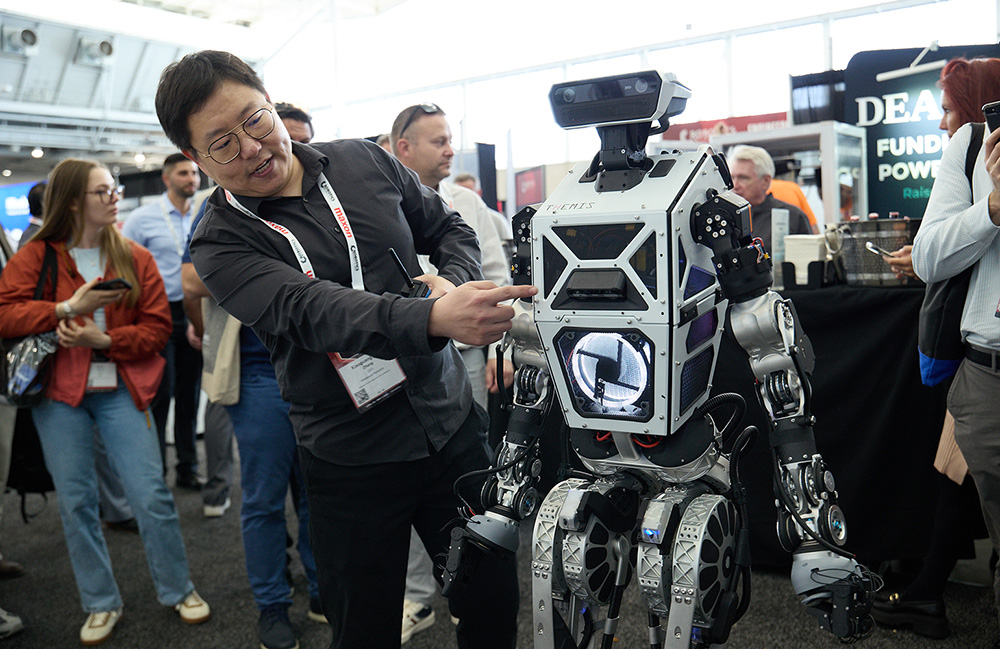
व्यावसायिक robotics AI, openness आणि human interfaces भोवती एकत्र येत आहे
बोस्टनमध्ये होणाऱ्या 2026 Robotics Summit & Expo चा अंतिम दिवस व्यावसायिक robotics कुठे जात आहे याचा एक केंद्रीत आढावा देतो. मूळ लेख agenda-driven असला तरी, schedule स्वतःच AI integration, production readiness, प्रत्यक्ष तैनाती आणि human-machine interaction च्या नव्या स्वरूपांवर लक्ष केंद्रित करणारा sector उघड करते.
दिवसाची सुरुवात Women in Robotics Breakfast ने होते आणि त्यानंतर Open Robotics board chair आणि Intrinsic CTO Brian Gerkey, GM robotics strategy head Mikell Taylor यांच्या keynotes, आणि नंतर मूळ मजकुरात Neuralink brain-computer interface वापरणारी पहिली व्यक्ती म्हणून ओळखले गेलेले Noland Arbaugh यांच्याकडे कार्यक्रम वळतो.
Keynote lineup काय सूचित करते
An Open Foundation for the Age of AI-Powered Robots या शीर्षकाखाली Gerkey यांचे keynote robotics मधील सर्वात महत्त्वाच्या धोरणात्मक प्रश्नांपैकी एकाकडे निर्देश करते: autonomy ची पुढची लाट shared infrastructure वर उभारली जाईल का, की closed vendor stacks वर? हा मुद्दा सध्याच्या robotics market च्या मध्यभागी आहे, जिथे software interoperability आणि development speed हे hardware performance इतकेच महत्त्वाचे ठरत आहेत.
What Makes a Robot Worthy? या शीर्षकाखाली Taylor यांचे keynote उद्योगातील आणखी एका चिंतेकडे निर्देश करते: novelty पेक्षा usefulness, trust आणि practical value सिद्ध करणे. हा भर अशा व्यावसायिक वातावरणाशी जुळतो, जिथे ग्राहक increasingly असे robots मागतात जे labor, throughput आणि safety समस्या सोडवतात आणि त्यासाठी अतिशय कठीण integration work लागत नाही.
AI संकल्पनेतून उत्पादनाकडे जात आहे
breakout schedule हा व्यावसायिक वळण अधिक ठळक करते. robotic systems मध्ये AI चे productization, material handling मध्ये AI कुठे value देतो, आणि robot conversation साठी नवे front end यावरील sessions उद्योग general enthusiasm च्या पुढे जाऊन concrete implementation प्रश्नांकडे वळत असल्याचे सूचित करतात.
हे महत्त्वाचे आहे, कारण robotics ला अनेकदा प्रभावी demos आणि विश्वासार्ह deployment यांच्यामधील सीमारेषेवर अडचणी आल्या आहेत. production-ready force and torque sensors, field lessons, आणि telesurgery मधील latency वर लक्ष केंद्रीत केलेले agenda items दाखवतात की sector operational details टाळण्याऐवजी त्यांचा थेट सामना करत आहे.
मानव-यंत्र सीमारेषाही बदलत आहेत
Arbaugh यांचे closing keynote एक वेगळा पैलू जोडते. Neuralink brain-computer interface मिळाल्यानंतरच्या आयुष्यावर त्यांचे भाषण summit ची चौकट industrial automation पासून human potential आणि direct neural interaction पर्यंत विस्तारते. robotics event च्या संदर्भात हे महत्त्वाचे आहे. यावरून असे सूचित होते की assistive interfaces, neurotechnology आणि robotic control हे increasingly एकाच innovation conversation चा भाग बनत आहेत.
brain-computer interfaces साठी commercial readiness बद्दल मूळ मजकूर मोठे दावे करत नाही, पण Arbaugh यांना prominently feature करण्याचा निर्णय या क्षेत्राने robotics, AI आणि neural systems च्या convergence कडे किती गांभीर्याने पाहिले आहे हे दाखवतो.
हा event अजूनही का महत्त्वाचा आहे
Trade events marketing-heavy असू शकतात, आणि हा source item स्पष्टपणे last day programming साठी guide आहे. तरीही, summit agendas उपयुक्त signals असतात. त्या दाखवतात की vendors, developers आणि organizers यांना त्यांचा market आत्ता काय ऐकू इच्छितो असे वाटते. या प्रकरणात उत्तर स्पष्ट आहे: open foundations, AI-powered robots, practical deployment lessons आणि असे emerging interfaces जे humans machines सोबत कसे काम करतात ते नव्याने ठरवू शकतात.
ही संयोजना 2026 Robotics Summit & Expo ला event-style packaging असूनही पाहण्यासारखे बनवते. schedule एका अशा industry कडे निर्देश करते जी AI चे industrialization, production use साठी robotics चे hardening आणि interface च्या human side चा विस्तार एकाच वेळी करण्याचा प्रयत्न करत आहे. हे बाजूचे विषय नाहीत. 2026 मध्ये commercial robotics ला आकार देणारे core development tracks हेच आहेत.
हा लेख The Robot Report च्या रिपोर्टिंगवर आधारित आहे. मूळ लेख वाचा.
Originally published on therobotreport.com