Expanding the Operational Envelope
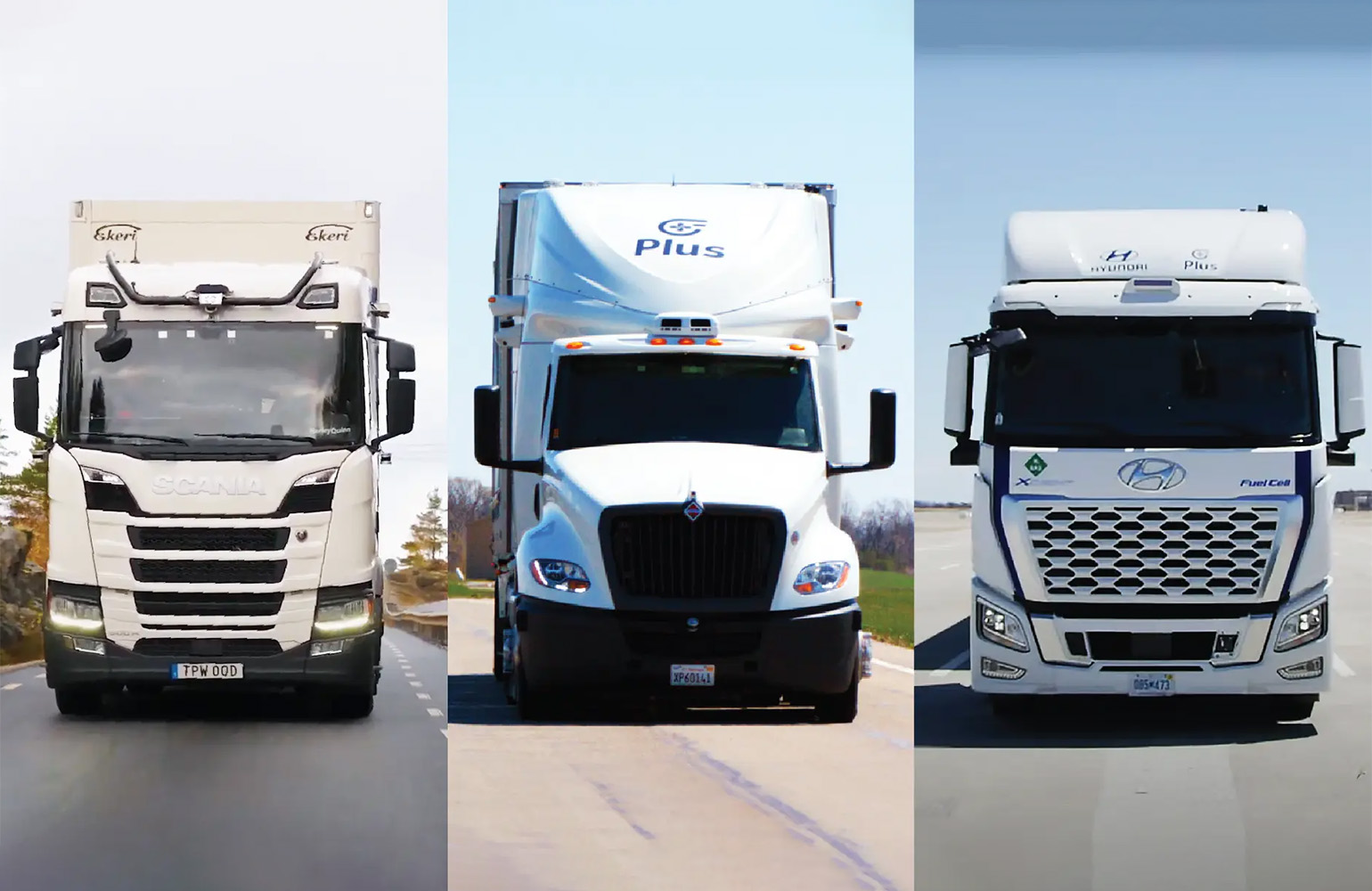
PlusAI has launched a significant upgrade to its autonomous driving system for commercial freight, adding capabilities that address two of the most challenging scenarios in long-haul trucking: nighttime operations and construction zone navigation. The enhanced system represents a critical step toward making autonomous freight viable for round-the-clock commercial deployment.
The company's upgraded driver system uses an improved sensor fusion architecture that combines lidar, radar, and camera data with enhanced algorithms specifically trained on nighttime and low-visibility conditions. Night driving has been one of the persistent challenges for autonomous vehicles, as reduced lighting degrades camera performance and creates complex shadow patterns that can confuse perception systems.
Night Driving Capabilities
PlusAI's approach to night driving goes beyond simply boosting camera sensitivity. The system employs a multi-modal perception pipeline where lidar and radar data take on a larger role during low-light conditions, while the camera system has been retrained on extensive nighttime datasets to better handle headlight glare, poorly lit road signs, and the reduced contrast between vehicles and their surroundings.
The company reports that the upgraded system can detect and classify vehicles, pedestrians, and road features at the same distances during nighttime operations as in daytime conditions. This parity is essential for maintaining safe following distances and reaction times at highway speeds, where commercial trucks require significantly longer stopping distances than passenger vehicles.
Navigating Construction Zones
Construction zones present a different set of challenges for autonomous systems. Lane markings may be obscured or contradicted by temporary barriers, traffic patterns shift without standardized signage, and human flaggers may direct traffic with hand signals that autonomous systems must interpret correctly.
PlusAI's updated system incorporates a construction zone detection module that identifies the presence of work zones through a combination of visual cues — orange barrels, cones, temporary signage, and lane shifts — and adjusts driving behavior accordingly. The system reduces speed, increases following distance, and switches to a more conservative path planning mode when it detects construction activity.
The company trained this module on thousands of construction zone encounters collected across its existing fleet operations, capturing the wide variety of configurations used across different states and highway systems.
Commercial Freight Context
These upgrades are particularly significant for the freight industry, where nighttime operations represent a substantial portion of long-haul trucking. Shipping schedules often require overnight driving to meet delivery windows, and driver fatigue during these hours contributes to a disproportionate share of commercial vehicle accidents.
An autonomous system that can reliably handle night driving could both improve safety and increase asset utilization by enabling trucks to operate during hours when human drivers are typically required to rest under federal hours-of-service regulations.
Construction zones are equally important for commercial viability. The U.S. Department of Transportation estimates that there are approximately 800,000 active work zones on American roadways at any given time during construction season. An autonomous system that cannot navigate these zones would face frequent disengagements and require human intervention, undermining the economic case for autonomous freight.
Competitive Landscape
PlusAI's upgrade comes amid intensifying competition in the autonomous trucking sector. Aurora Innovation has been expanding its commercial operations in Texas, while Kodiak Robotics continues testing its autonomous trucks on freight corridors in the southern United States. Waymo, through its Waymo Via division, has also been developing autonomous trucking capabilities.
The race to demonstrate reliable autonomous freight is driven by enormous potential economic impact. The American Trucking Associations estimates that the industry faces a shortage of approximately 80,000 drivers, a gap that is projected to widen as the existing workforce ages and new entrants fail to keep pace with demand.
Regulatory and Deployment Path
PlusAI is pursuing a graduated deployment strategy, initially offering its system as a driver-assist technology that works alongside human operators before transitioning to fully driverless operations as regulatory frameworks mature. The company currently operates on freight routes across several states, collecting real-world performance data that feeds back into its training pipeline. The night driving and construction zone capabilities will roll out to existing fleet partners in the coming months.
This article is based on reporting by The Robot Report. Read the original article.
Originally published on therobotreport.com