OpenAI पुन्हा रोबोटिक्समध्ये परतले आहे
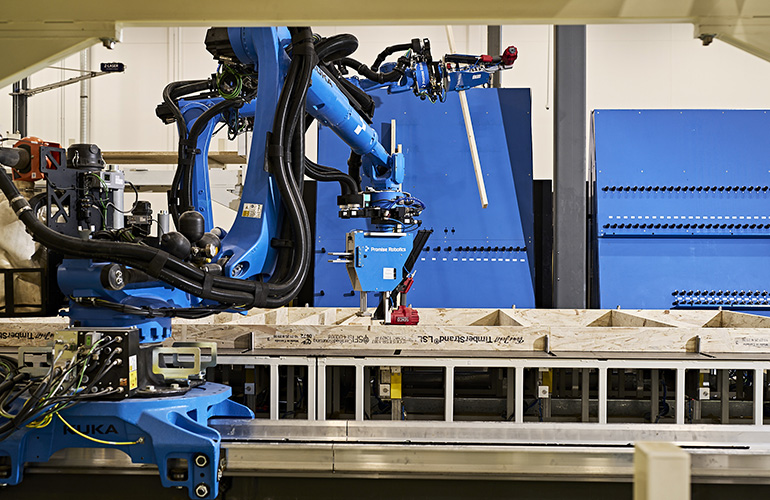
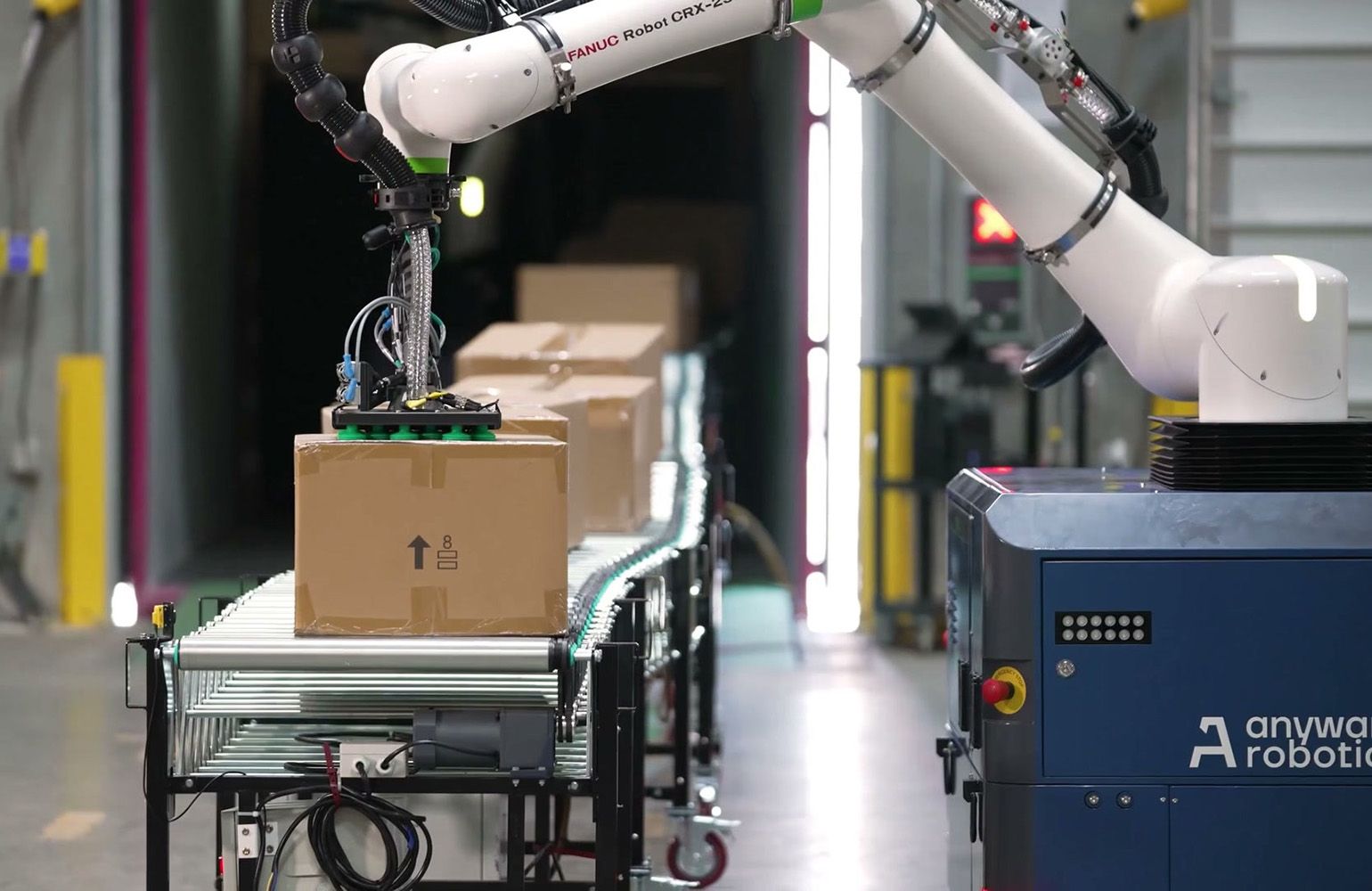
मूळ विभाग बंद केल्यानंतर सुमारे पाच वर्षांनी OpenAI आपला रोबोटिक्स प्रयत्न पुन्हा उभारत आहे, आणि कंपनीची सध्याची उद्दिष्टे अल्पकालीन औद्योगिक मदतीपासून खूप व्यापक दीर्घकालीन वैयक्तिक रोबोट दृष्टीपर्यंत पसरलेली दिसतात. दिलेल्या स्रोत-पाठ्यानुसार, CEO Sam Altman यांनी सांगितले आहे की तात्काळ लक्ष अशा रोबोटांवर आहे जे तज्ज्ञांना इन्फ्रास्ट्रक्चर उभारण्यास मदत करतील, तर दीर्घकालीन ध्येय आहे “प्रत्येकाकडे एक वैयक्तिक रोबोट असावा जो त्यांना हवी ती कोणतीही गोष्ट करू शकेल.”
ही मांडणी व्यापक आहे, पण जवळची दिशा अधिक वास्तववादी आहे. इन्फ्रास्ट्रक्चर काम हे स्पष्ट कामे, व्यावसायिक मागणी आणि सर्वसाधारण घरगुती रोबोटिक्सपेक्षा अधिक नियंत्रित वातावरण देते. तिथून सुरुवात करणे म्हणजे OpenAI प्रथम सर्वात कठीण ग्राहक समस्या सोडवण्याचा प्रयत्न करत नाही.
नवीन टीम world simulation संशोधनातून तयार झाली
The Decoder च्या अहवालानुसार, रोबोटिक्स टीम OpenAI च्या world simulation research program मधून तयार झाली, ज्याचे नेतृत्व Aditya Ramesh करत होते. स्रोताच्या मते, AI video app बंद केल्यानंतर Sora टीमही त्या प्रोग्राममध्ये समाविष्ट करण्यात आली. हे महत्त्वाचे आहे, कारण OpenAI रोबोटिक्सकडे कसे पाहत असेल याचा हा संकेत आहे: स्वतंत्र moonshot म्हणून नाही, तर भौतिक जग समजून घेणाऱ्या आणि त्याचे सिम्युलेशन करणाऱ्या मॉडेल्सवरील विस्तृत कामाचा विस्तार म्हणून.
हे महत्त्वाचे आहे, कारण embodied AI साठी केवळ भाषाज्ञान पुरेसे नसते. रोबोटांनी अवकाश जाणले पाहिजे, हालचालीबद्दल तर्क केला पाहिजे, अनिश्चितता हाताळली पाहिजे आणि बदलत्या वातावरणाशी संवाद साधला पाहिजे. world-modeling संशोधन अजेंडा video generation, simulation आणि physical action यांना एकत्र आणण्याचा मार्ग असू शकतो.
OpenAI ने पूर्वी 2020 मध्ये आपला robotics division बंद केला होता, कारण रोबोट्सशिवाय general artificial intelligence अधिक लवकर मिळू शकते आणि robotics training data खूपच कमी आहे, असे तेव्हा मानले गेले होते. आता तो मार्ग मागे घेतल्याने असे सूचित होते की त्या समजुती बदलल्या आहेत, किंवा कंपनी आता embodied systems ला अशा क्षमतांकडे जाण्याचा उपयुक्त मार्ग मानत आहे, ज्या purely digital agents स्वतःहून विकसित करू शकत नाहीत.
रोबोटिक्स हे डेटा आणि पर्यायी AI वाटांबद्दलही असू शकते
दिलेल्या लेखानुसार, या प्रयत्नातून OpenAI नेमके काय मिळवू इच्छिते हे अजून स्पष्ट नाही, विशेषतः कंपनीने अलीकडे AI agent applications वर भर दिल्यानंतर. ही अनिश्चितता या हालचालीचे अर्थ लावण्यासाठी केंद्रस्थानी आहे. वरवर पाहता, वैयक्तिक रोबोट्सची दृष्टी अनेक वर्षे दूर आहे. अधिक तात्काळ धोरणात्मक मूल्य इतरत्र असू शकते.
स्रोतामध्ये मांडलेली एक शक्यता म्हणजे training data. रोबोट्स physical interaction, manipulation आणि navigation याबद्दल समृद्ध माहिती-प्रवाह तयार करू शकतात, जे text आणि web data देऊ शकत नाहीत. OpenAI जर जग अधिक मजबूतपणे समजणाऱ्या प्रणाली तयार करू इच्छित असेल, तर embodied data धोरणात्मकदृष्ट्या महत्त्वाचे ठरू शकते.
दुसरी शक्यता अशी की रोबोटिक्समुळे अधिक सर्वसाधारण बुद्धिमत्तेकडे जाण्याचे पर्यायी मार्ग मिळू शकतात. Digital agents software वातावरणात काम करतात. रोबोटांना friction, failure, timing, embodiment आणि प्रत्यक्ष जगाच्या हट्टी मर्यादा हाताळाव्या लागतात. तिथली प्रगती विद्यमान मॉडेल्समधील कमकुवत बाजू उघड करू शकते आणि सुधारण्यासाठी नवे मार्गही तयार करू शकते.
महत्त्वाकांक्षा मोठी आहे, पण सुरुवातीची उपयोगकेसेस मर्यादित आहेत
स्रोताच्या अनुसार, OpenAI hardware, operations, systems आणि machine learning मध्ये engineers भरती करत आहे, म्हणजेच कंपनी रोबोटिक्सकडे केवळ speculative side project म्हणून नव्हे, तर एक गंभीर बहुविषयक प्रयत्न म्हणून पाहत आहे. तरीही, इन्फ्रास्ट्रक्चर तज्ज्ञांना मदत करणाऱ्या रोबोट्स आणि खऱ्या अर्थाने सर्वसाधारण वैयक्तिक रोबोट यांच्यातील दरी प्रचंड आहे.
म्हणूनच सुरुवातीचा फोकस महत्त्वाचा आहे. इन्फ्रास्ट्रक्चर सपोर्ट व्यावसायिकदृष्ट्या अर्थपूर्ण इतका व्यापक आहे, पण open-ended घरगुती जीवनाच्या पूर्ण गुंतागुंतीपासून दूर राहण्यासाठी पुरेसा मर्यादित आहे. OpenAI जर अर्ध-संरचित व्यावसायिक वातावरणात रोबोट्स उपयुक्त करू शकले, तर models, hardware integration आणि deployment practices साठी एक testbed मिळेल, आणि दूरच्या consumer वचनपूर्तीवर तात्काळ अवलंबून राहावे लागणार नाही.
सध्या ही घोषणा पूर्ण झालेल्या product roadmap पेक्षा strategic reopening म्हणून समजणे अधिक योग्य आहे. OpenAI ने रोबोटिक्समध्ये परत येताना हे स्पष्टपणे ओळखले आहे की भौतिक प्रणाली त्याच्या दीर्घकालीन AI उद्दिष्टांसाठी महत्त्वाच्या ठरू शकतात. याचा पुढे घरगुती रोबोट्सपर्यंत प्रवास होईल का, हे अनिश्चित आहे. आज अधिक ठोस गोष्ट म्हणजे कंपनीने रोबोट्सना पुन्हा पुढील वाटचालीचा भाग मानायला सुरुवात केली आहे, आणि सुरुवात लिव्हिंग रूममध्ये नाही तर इन्फ्रास्ट्रक्चर स्टॅकमध्ये होत आहे.
हा लेख The Decoder च्या वार्तांकनावर आधारित आहे. मूळ लेख वाचा.
Originally published on the-decoder.com