Valkyrie Mishap Halts a Test Flight in Utah
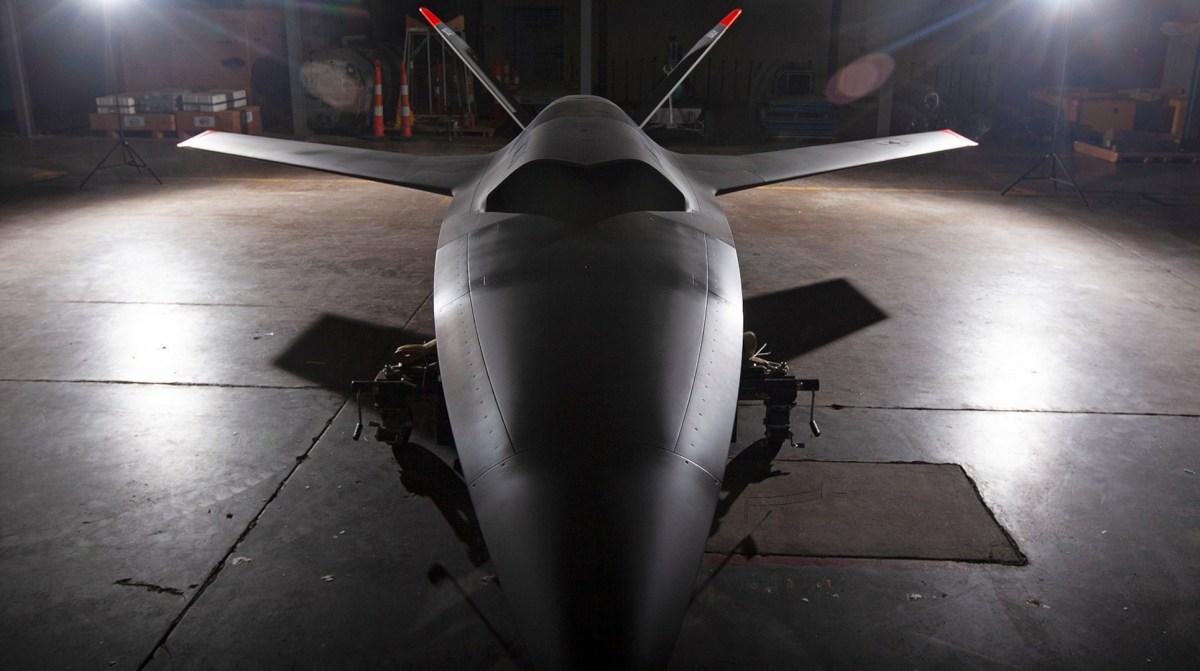
A Kratos XQ-58 Valkyrie drone crashed shortly after takeoff during a company-funded research and development event at Dugway Proving Ground in Utah, according to statements provided to The War Zone by Kratos and separately by installation officials. No one was injured, and there was no reported damage to buildings, but the incident is significant because it interrupts testing of one of the most closely watched uncrewed combat aircraft programs in the United States.
Kratos said the aircraft was in a “test configuration” and that the mishap occurred following takeoff from a test-range runway on Tuesday, August 4, 2026. The company added that flight test operations for the system have been paused temporarily while investigators determine the cause. That detail matters because the XQ-58 family has increasingly been discussed not simply as an experimental demonstrator, but as part of a broader push toward lower-cost autonomous aircraft that can extend the reach of crewed forces.
The company also emphasized that the event was internally funded and tied to the continuing addition of configurations and capabilities. Kratos declined to provide further detail about the specific setup of the aircraft involved. Even so, the statement points to a runway-launched variant, narrowing the field to versions of the Valkyrie designed to operate in a more conventional manner than the early launch-and-recovery concepts associated with the program.
Why Dugway Matters
Dugway Proving Ground is not a random site for such an event. The installation’s Michael Army Airfield is a major hub for uncrewed aircraft testing by both military users and private firms. It also supports a wider range of research, development, test, and evaluation activity. That makes the base a logical place to push new autonomous aircraft designs into more advanced and potentially riskier test envelopes.
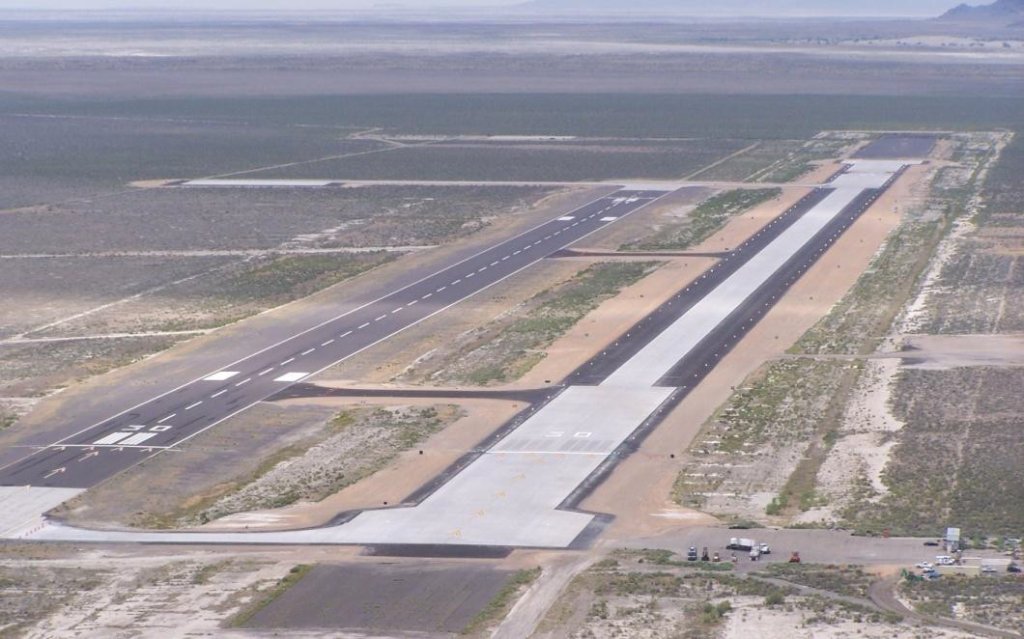
An installation spokesperson confirmed to The War Zone that an unspecified drone crashed at around 8:00 a.m. local time on August 4. The aircraft was not owned or operated by the U.S. military, and it went down shortly after takeoff for reasons still unknown. Base officials did not publicly identify the aircraft as a Valkyrie, but the timing and circumstance align with Kratos’s account.
That alignment is important because it gives the incident a firmer factual foundation than the many defense stories that initially circulate as rumor or partial eyewitness reporting. Here, both the manufacturer and the proving ground acknowledged a crash event. What remains unclear is whether the problem stemmed from propulsion, control software, flight surfaces, runway operations, or a more specialized subsystem unique to the test configuration.
A Program Under Scrutiny
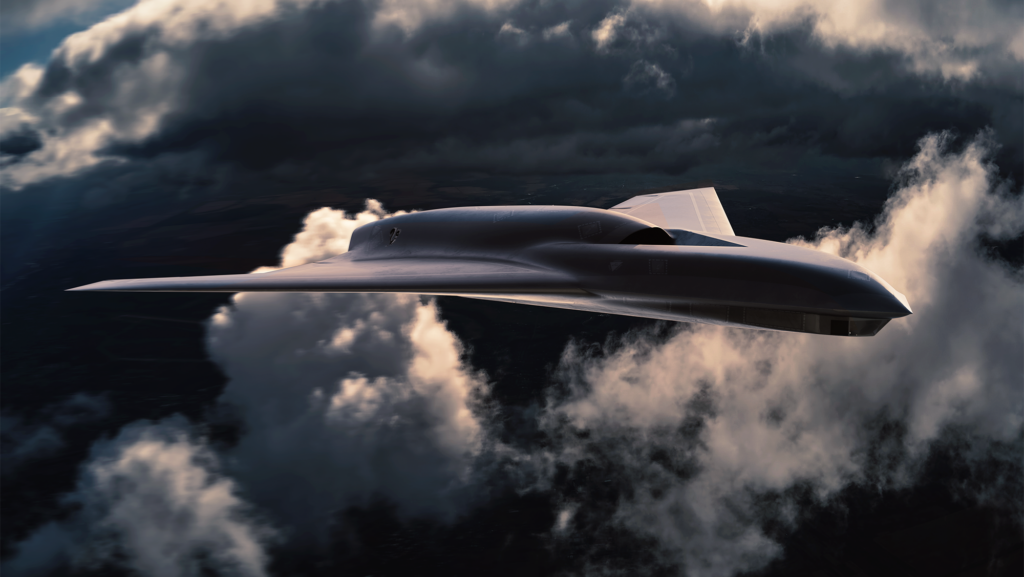
The XQ-58 has drawn sustained interest since versions of the aircraft began flying in 2019. Its appeal rests on a simple idea with major operational consequences: field a relatively affordable, stealth-shaped autonomous aircraft that can take on risky missions, support crewed aircraft, and expand combat mass without the cost profile of traditional fighters. In recent years, that concept has moved from an intriguing experiment toward a central theme in U.S. airpower planning.
That shift raises the stakes for every test result, including setbacks. A crash during development is not unusual in advanced aerospace work, especially when a company is modifying configurations and testing new capabilities. In fact, the presence of mishaps is often inseparable from aggressive flight test campaigns. But normal does not mean irrelevant. Each accident reveals something about the maturity of the platform, the pace of iteration, and the technical risk embedded in the path to operational use.
Kratos’s statement that it has additional test systems ready once the investigation is complete suggests two things at once. First, the company appears to have enough hardware available to continue developmental work after the pause is lifted. Second, the pause is being treated as a bounded interruption rather than a program-wide crisis. That is a meaningful distinction in defense aviation, where isolated test losses can either be absorbed as part of the learning curve or become a sign of deeper design trouble.
What the Runway Detail Suggests
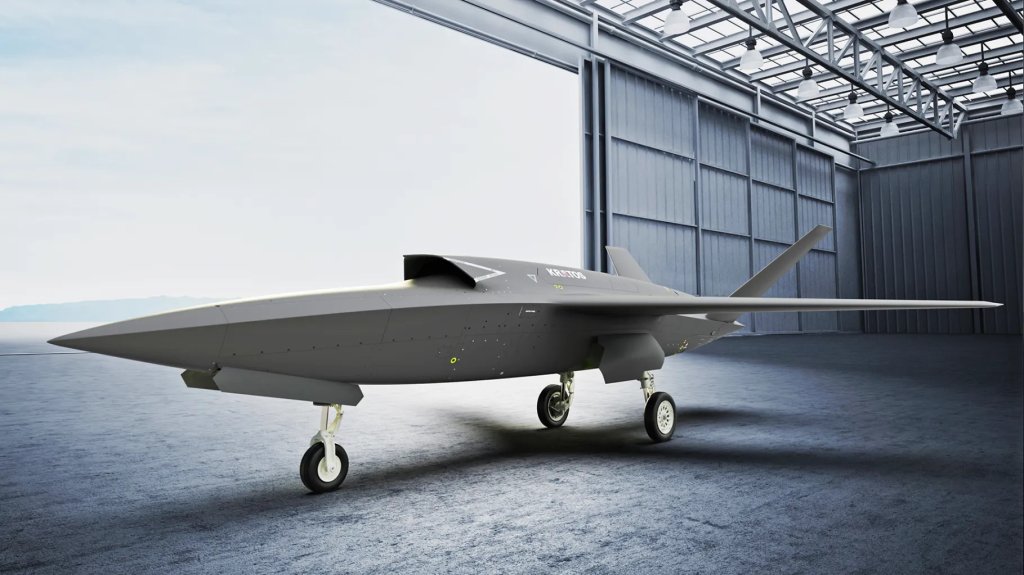
One of the more notable elements in the company’s statement is the reference to a takeoff from a test-range runway. The Valkyrie program has been associated with different launch and recovery concepts over time, so a runway event points to a subset of the aircraft’s evolution. That could matter for future operations if the platform is intended to work more flexibly from conventional airfields, potentially simplifying integration with broader force structures.
At the same time, runway operations bring their own demands. Ground handling, acceleration, flight control transitions, and landing gear-related factors can all shape risk in ways that differ from other launch methods. Without more information from Kratos, any conclusion about the cause would be speculation. What can be said from the supplied reporting is narrower and more defensible: the aircraft crashed immediately after takeoff during a runway-based test event and the company has halted operations pending investigation.
What Comes Next
The near-term consequence is a pause, not a termination. Kratos said it will investigate the mishap before resuming flight operations. For observers of autonomous combat aircraft, the next key question is not merely what failed, but whether the issue proves isolated to one test article or reflects a broader challenge in the evolving configuration being evaluated.
Either way, the incident is a reminder of the gap between strategic enthusiasm for autonomous airpower and the unforgiving mechanics of turning that vision into reliable hardware. The Valkyrie remains one of the better-known vehicles in that effort, which means even a limited accident during an R&D event carries weight beyond a single airframe. It becomes part of the public record of how difficult, iterative, and consequential the development of next-generation military drones has become.
This article is based on reporting by twz.com. Read the original article.
Originally published on twz.com