A New Threat Demands a Coordinated Response
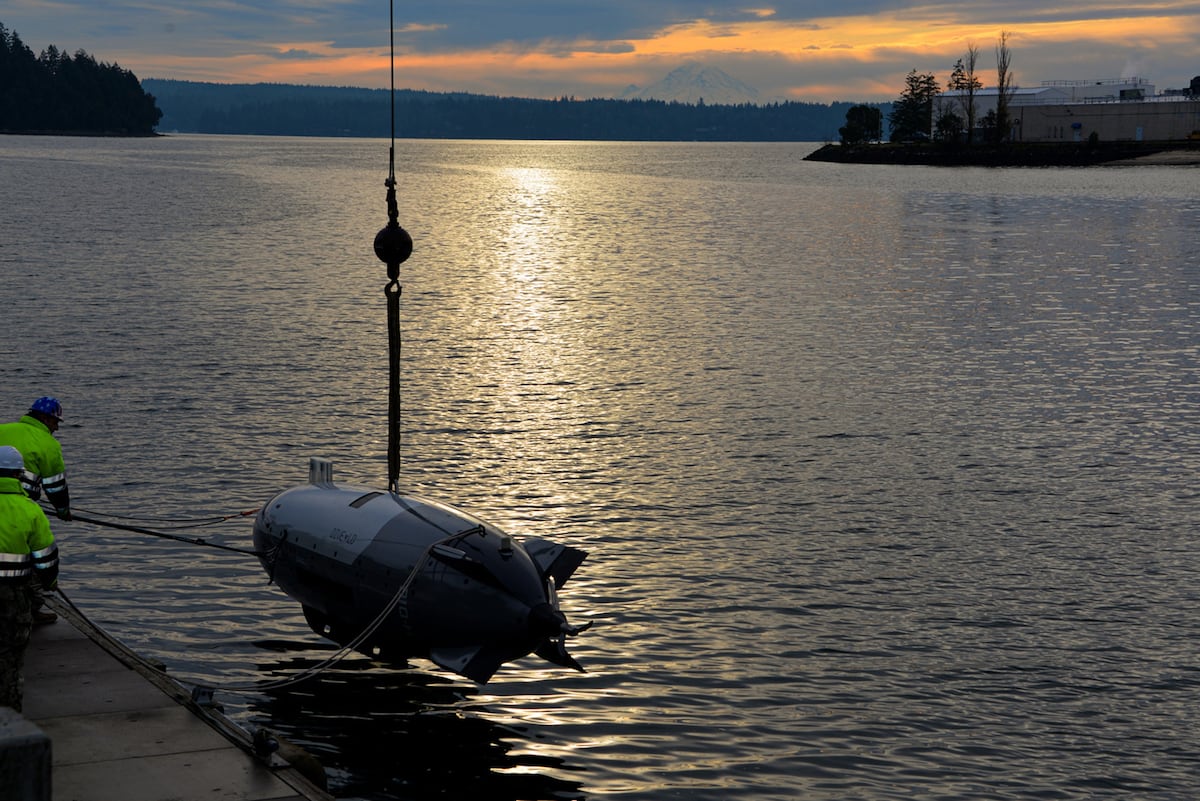
Autonomous underwater vehicles — uncrewed submarines and drone craft capable of operating for extended periods without human guidance — have emerged as one of the most difficult-to-address threats in modern maritime security. Unlike aerial drones, which can be tracked by radar and engaged by a growing range of counter-drone systems, underwater autonomous vehicles operate in an environment that naturally degrades the most common detection technologies. The United States and United Kingdom have now announced a formal joint program aimed at closing this defensive gap.
The initiative, announced simultaneously by the US Navy and the Royal Navy this week, will bring together research teams, defense contractors, and technology developers from both countries to accelerate work on detection, tracking, and neutralization systems for hostile autonomous underwater vehicles. Officials described the program as a direct response to intelligence assessments indicating that adversarial states have dramatically expanded their underwater drone fleets and are testing new deployment doctrines against NATO maritime assets.
Why Underwater Drones Are So Difficult to Counter
The physics of the undersea environment make counter-drone work uniquely challenging. Radio frequency signals that form the backbone of aerial drone detection systems cannot penetrate seawater to any practical depth. Radar is entirely ineffective underwater. Even active sonar, the primary tool for submarine detection, can be defeated by slow-moving, low-noise autonomous vehicles that are engineered to stay below the acoustic threshold of typical sonar systems.
Passive sonar arrays — the listening networks that form part of NATO's underwater surveillance infrastructure — were designed primarily to detect full-size submarines with nuclear or diesel-electric propulsion systems. Small autonomous underwater vehicles running on battery power emit acoustic signatures that are orders of magnitude quieter, falling below the detection floor of legacy fixed sonar installations.
Recent incidents have underscored the problem. Norwegian and UK naval authorities have documented multiple instances of unidentified underwater vehicles operating near critical infrastructure, including undersea data cables and offshore energy installations. While attribution has been cautious in official statements, intelligence assessments have linked several incidents to state-sponsored programs.
Technology Tracks Under Development
The joint program will pursue several parallel technology tracks. Distributed sensor networks — arrays of small, low-power acoustic and electromagnetic sensors that can be deployed across large areas of seabed and water column — represent one major avenue. By networking many sensors and applying machine learning to the aggregated data stream, engineers hope to build detection systems sensitive enough to track battery-powered autonomous vehicles that currently evade point-source sonar.
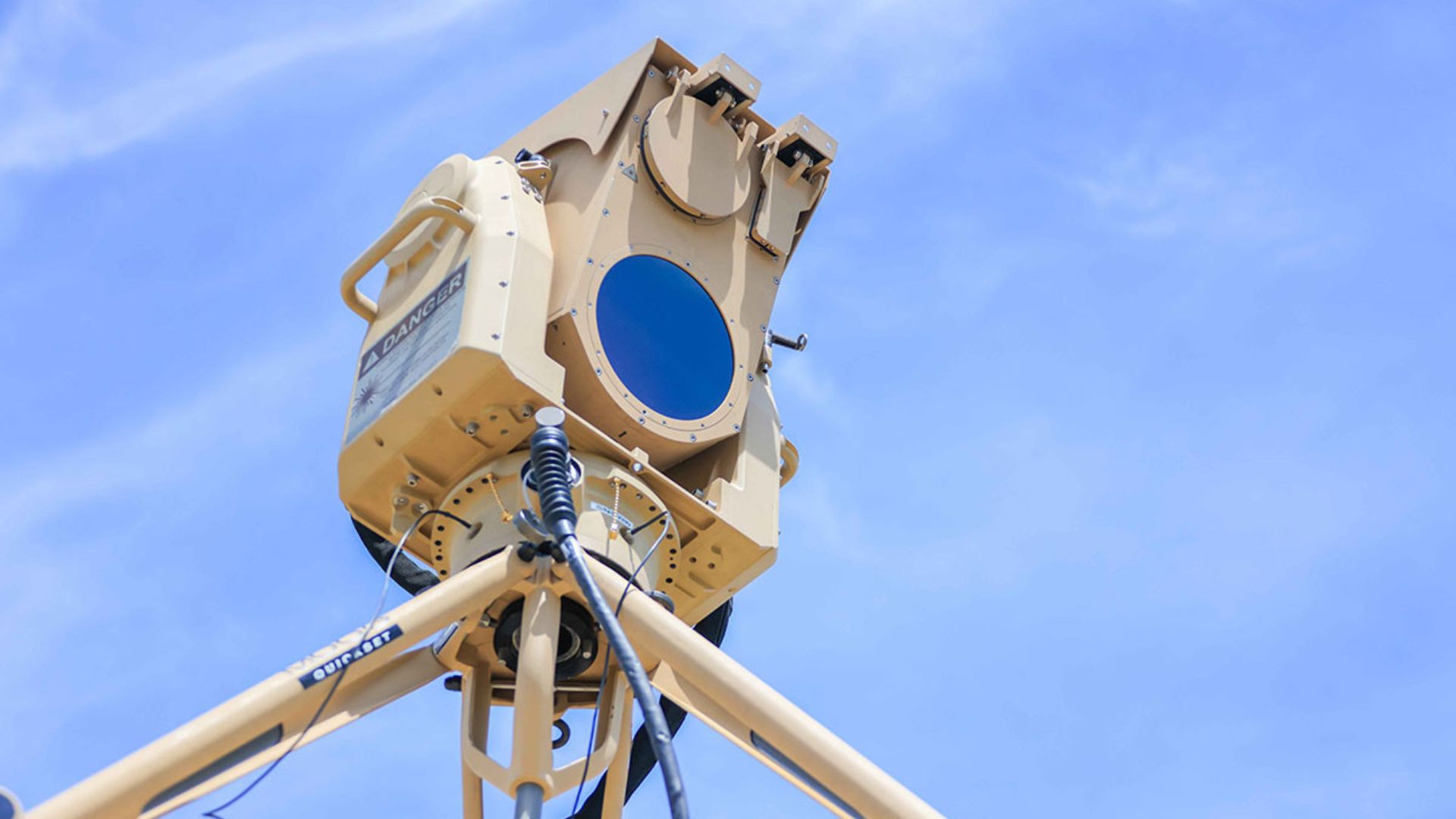
Directed energy countermeasures represent a second track, though the physics of energy propagation through water impose significant constraints on this approach. Acoustic directed-energy systems — essentially powerful underwater sound projectors — have shown some promise in trials for disrupting the navigation systems of autonomous vehicles without requiring physical contact. Electronic warfare approaches that target the communications links between vehicles and their operators are also being evaluated.
A third track focuses on autonomous counter-drone systems — purpose-built underwater vehicles that can detect and intercept hostile autonomous craft. The concept, sometimes called hunter-killer underwater drones, would deploy US and UK autonomous vessels that patrol sensitive areas and engage threatening contacts using a combination of netting systems, acoustic disruptors, and kinetic interceptors.
Infrastructure Protection Priority
The program's initial focus is on protecting specific categories of maritime infrastructure: naval ports and anchorages, undersea communications cables, and offshore energy installations including pipeline infrastructure. These represent the targets most likely to be attacked in a conflict scenario and the assets whose loss would cause the most immediate strategic and economic harm.
The February 2024 disruption of the Baltic Sea undersea communications cables — an incident that Western intelligence agencies have attributed to deliberate sabotage though formal attributions remain disputed — demonstrated the real-world consequences of inadequate underwater infrastructure protection. Similar incidents targeting North Sea energy infrastructure have reinforced the urgency of developing effective countermeasures.
The joint US-UK program is expected to inform broader NATO efforts to develop alliance-wide standards for underwater infrastructure protection. Several other NATO members with extensive maritime infrastructure, including Norway, the Netherlands, and Denmark, are expected to contribute technology and resources as the program matures.
Industrial Base and Timeline
Defense contractors on both sides of the Atlantic are positioned to benefit significantly from the initiative. BAE Systems and Thales in the UK, along with Raytheon, General Dynamics, and Lockheed Martin in the US, have existing programs in underwater surveillance and autonomous maritime systems that are likely to receive accelerated funding under the joint initiative.
The program is designed to deliver initial operational capability within three years, with a focus on port protection systems that can be deployed at the highest-priority naval installations. Broader deployment to protect undersea cable infrastructure and offshore energy assets is projected on a five-to-seven year timeline, reflecting the greater complexity of persistent area coverage versus fixed-point protection.
This article is based on reporting by Defense News. Read the original article.
Originally published on defensenews.com