A new flashpoint in one of the world’s most sensitive waterways
The United States said it struck Iranian targets around the Strait of Hormuz on May 7, opening a new and potentially dangerous phase in an already fragile regional confrontation. The development followed reports from Iranian media that a port on Iran’s largest island in the strait had come under attack, though early details were limited and conflicting.
The most important shift in the reporting came when U.S. Central Command said it had carried out attacks on Iranian targets in response to Iranian fire on U.S. Navy destroyers. That official statement moved the episode from rumor and local reporting into a declared U.S. military action tied to a direct justification.
Early reports were murky and politically charged
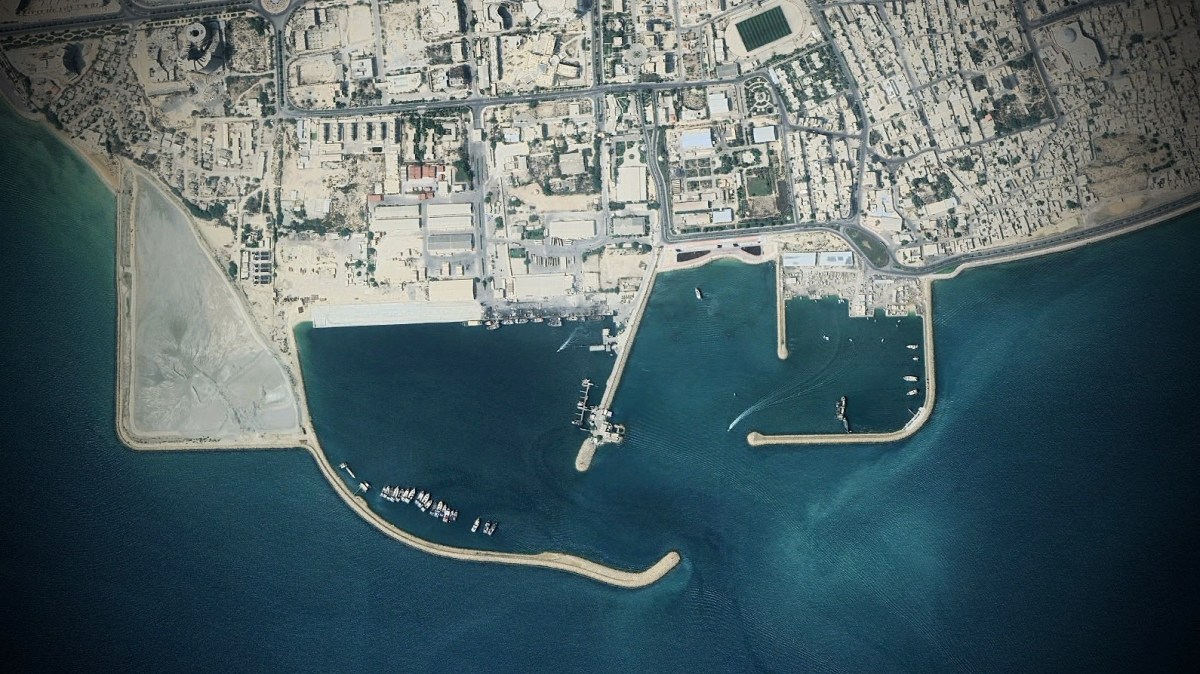
Initial reporting from Iranian outlets described explosions near Bandar Abbas and damage in parts of the commercial area of Bahman Qeshm pier. The available source material made clear that the first wave of claims was incomplete. Iranian reports did not initially identify who launched the attack, and no supporting imagery had yet emerged in the early stages described in the source text.
That uncertainty matters. The Strait of Hormuz is both a military chokepoint and a political pressure point, and incomplete battlefield reporting in that area can quickly generate competing narratives. In this case, Iranian state-linked and affiliated outlets appeared to circulate different possibilities, including claims pointing toward hostile action and local defensive activity.
Even before the U.S. confirmation, the location itself signaled the seriousness of the event. Bandar Abbas is described in the source text as the center of Iranian naval operations around the Strait of Hormuz, and Qeshm Island sits in an area where any military action immediately raises questions about escalation, shipping security, and the survival of any ceasefire diplomacy.
Why the location matters
The Strait of Hormuz is one of the most strategically important maritime passages in the world, and activity around it is rarely viewed as isolated. The source text links the latest reports to ongoing negotiations between the United States and Iran aimed at ending the war, while also noting that those talks were already resting on a fragile ceasefire.
That means the timing is almost as significant as the strike itself. A military exchange in or near Bandar Abbas and Qeshm compresses diplomacy and deterrence into the same moment. If a ceasefire is already unstable, a retaliatory U.S. strike justified as a response to Iranian attacks on American naval assets can quickly become both a military signal and a political rupture.
The update from CENTCOM also frames the U.S. action as retaliatory rather than preemptive. That distinction will be central to how Washington explains the strike to allies and adversaries alike. It will also shape how Tehran characterizes the attack domestically and internationally.
What is confirmed, and what is not
Several elements remain uncertain in the available material. Iranian outlets reported explosions and damage, but the early record was described as scant. At least one account cited indications of hostile action at Bahman Port in Qeshm, while another element of the reporting described defense activity in response to two small aircraft. Those claims point to an active and confusing battlespace rather than a settled public account.
What is confirmed in the source package is narrower but significant:
- Iranian media reported an attack affecting areas around Qeshm and Bandar Abbas.
- Negotiations between the United States and Iran were ongoing under a fragile ceasefire.
- U.S. Central Command later said it attacked Iranian targets.
- CENTCOM said the strike was in response to Iranian fire on U.S. Navy destroyers.
That is enough to establish a major escalation, even if operational details remain incomplete.
The broader significance
This episode shows how quickly a local strike report in the Gulf can widen into a strategic event. The Strait of Hormuz is not simply another contested zone; it is a place where naval operations, state signaling, and war diplomacy intersect in real time. A confirmed U.S. retaliatory strike there is therefore not only a battlefield development but a test of whether the broader conflict is moving toward containment or toward another round of open escalation.
For now, the central fact is clear: the United States has publicly tied military action against Iranian targets to attacks on its own forces near one of the most consequential waterways in the world. Whether that becomes a contained exchange or the start of a larger breakdown will depend on what follows next, but the ceasefire framework described in the source text is plainly under new strain.
This article is based on reporting by twz.com. Read the original article.
Originally published on twz.com