A Laser Incident at the Border
A US military laser system has been used to shoot down a Customs and Border Protection drone, according to lawmakers who disclosed the incident in recent congressional testimony. The revelation has prompted urgent questions about interoperability between military directed-energy systems and civilian government aircraft, the adequacy of safety protocols for laser weapons testing in shared airspace, and the broader implications of deploying high-powered laser platforms near the US border.
The incident, which reportedly occurred during what military officials characterized as a test or demonstration of directed-energy air defense capabilities, resulted in the destruction of a CBP surveillance drone valued at several million dollars. No personnel were injured, and CBP operations in the area were not significantly disrupted, but the friendly-fire nature of the incident has alarmed officials in both the defense and homeland security communities.
Directed Energy Weapons: Where Things Stand
The US military has been investing heavily in directed-energy weapons — principally high-energy lasers and high-power microwave systems — as a cost-effective counter to the proliferation of small drones and cruise missiles. Traditional kinetic interceptors such as missiles cost tens of thousands to hundreds of thousands of dollars per shot. A laser engagement can cost as little as a few dollars in electrical power per shot, once the system is built.
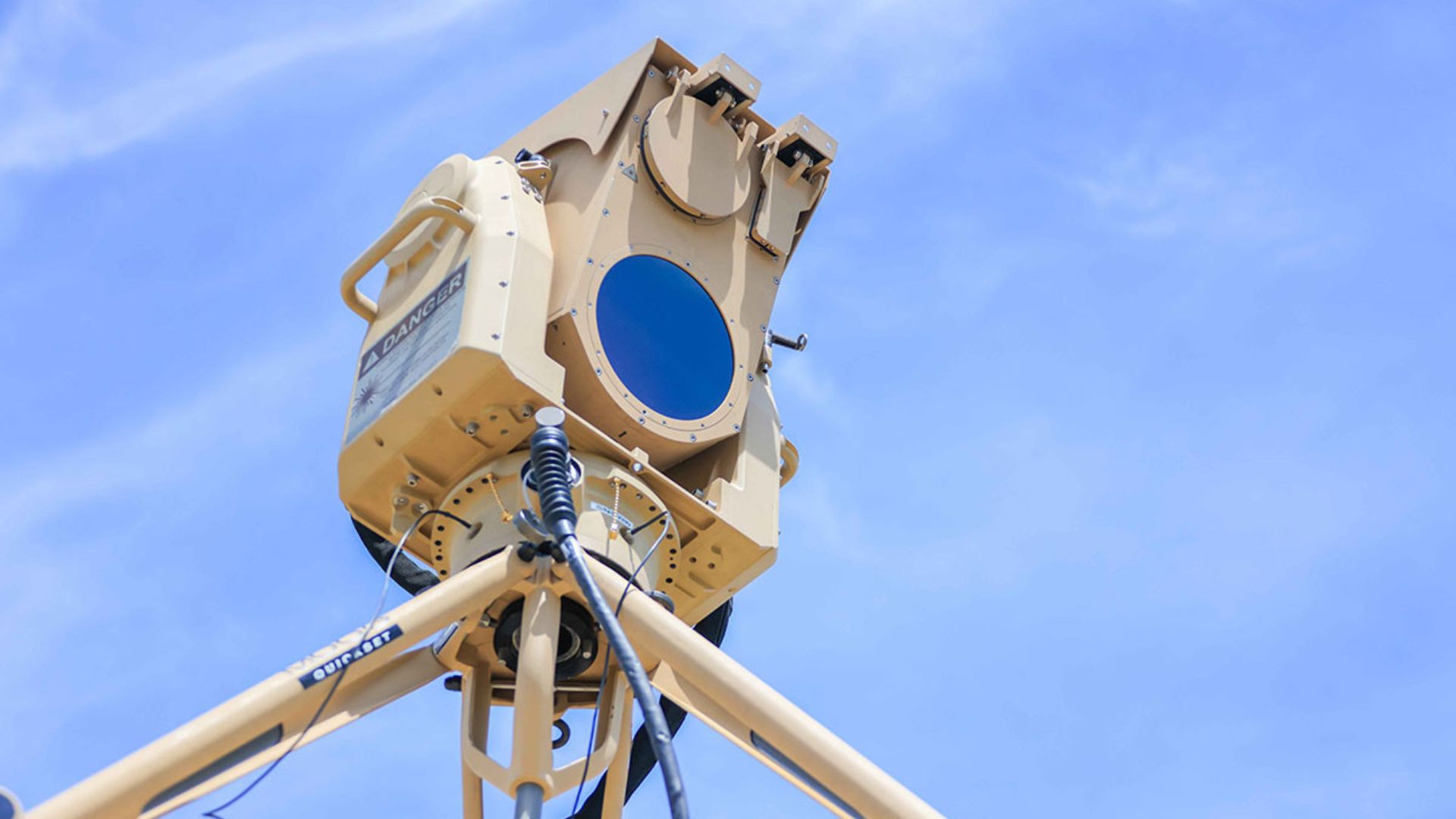
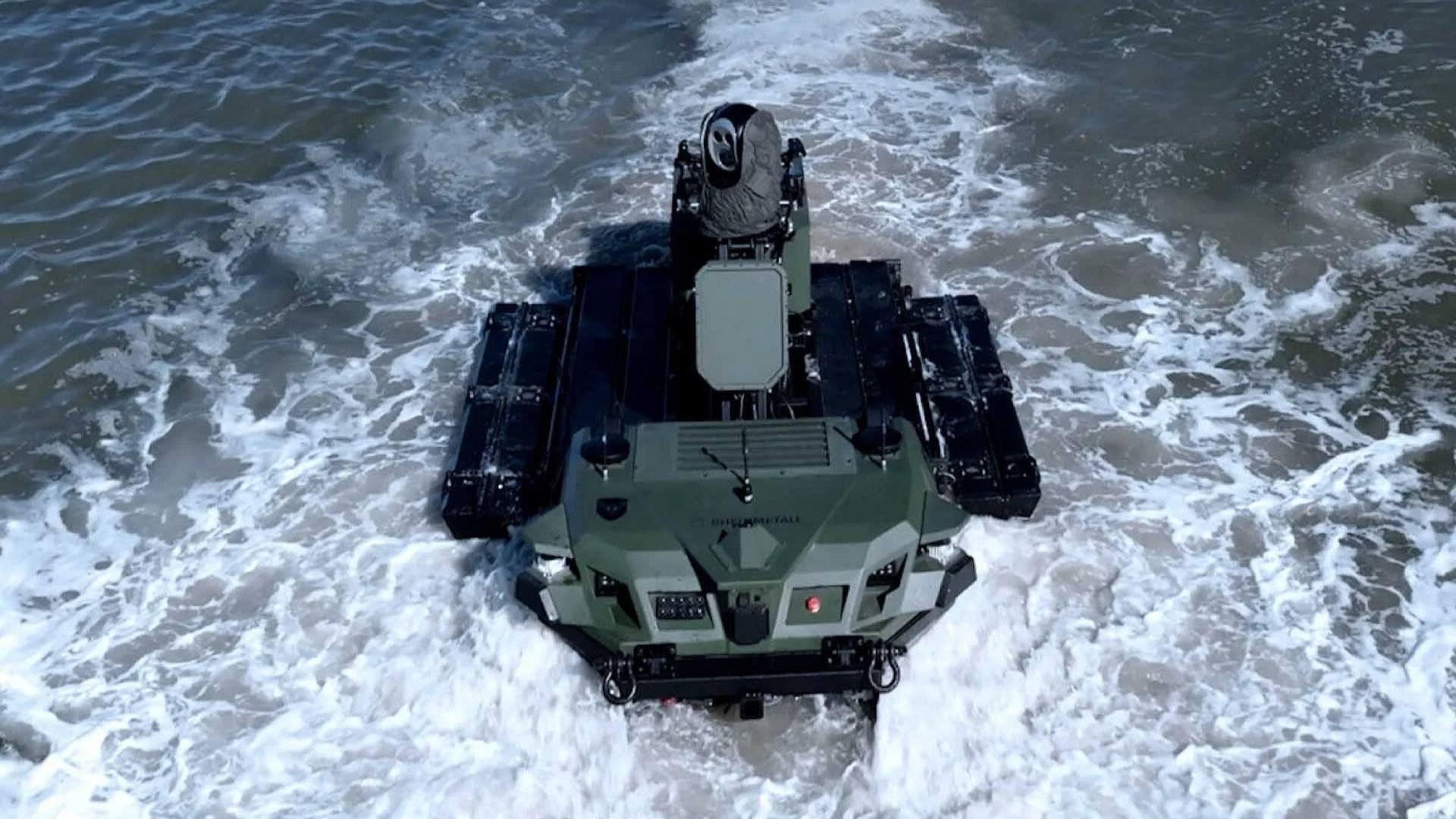
Several systems are now operational or in advanced testing. The Navy's Laser Weapon System Demonstrator has been deployed aboard surface ships. The Army's Indirect Fire Protection Capability with high-energy laser components is being fielded with units. Air defense lasers are being evaluated for fixed-site protection of bases and critical infrastructure. The incident involving the CBP drone appears to involve one of these ground-based systems.
The speed of directed-energy weapons development has in some respects outpaced the development of operational protocols, identification friend-or-foe systems, and airspace deconfliction procedures that would prevent accidental engagement of friendly aircraft. A laser system designed to autonomously track and engage small airborne targets cannot always distinguish between a hostile commercial drone and a government surveillance platform.
The Interagency Coordination Gap
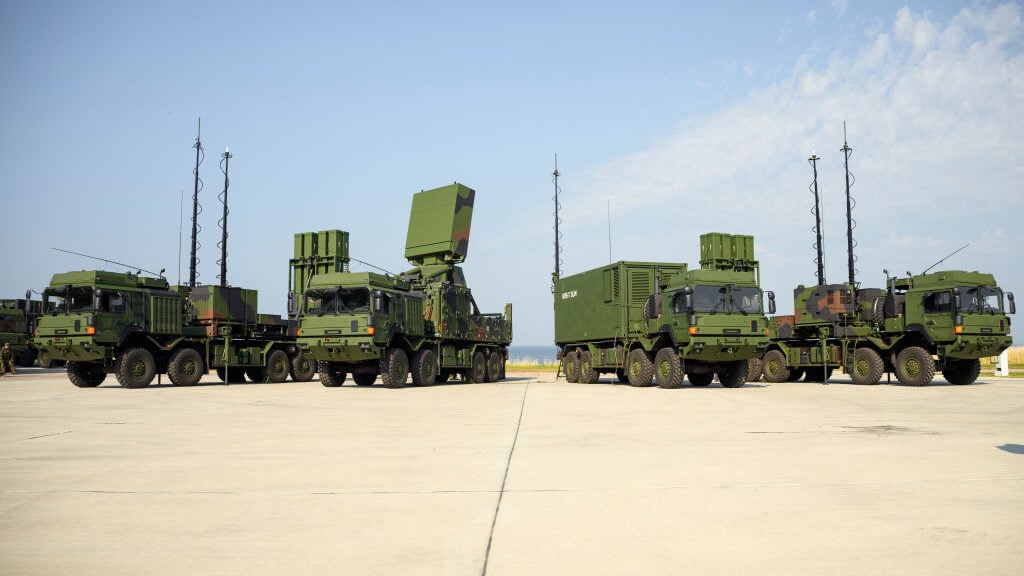
The CBP drone incident illustrates a recurring problem in US national security: the proliferation of advanced technology across multiple agencies without adequate coordination mechanisms. The military operates under its own command and airspace management systems. CBP operates under the Department of Homeland Security. The FAA manages civilian airspace. When a military system is testing in proximity to CBP operational areas, coordination between these systems is not always seamless.
Lawmakers who disclosed the incident have called for a comprehensive review of airspace deconfliction protocols for directed-energy weapons testing, mandatory prior notification to relevant agencies when laser systems are operated near civilian or government aircraft, and an accounting of all incidents in which military directed-energy systems have been activated in domestic airspace over the past five years.
What This Means for Drone Defense
The incident also lands in the middle of an ongoing policy debate about how to address the drone threat along the US southern border. CBP has significantly expanded its use of aerial surveillance drones in recent years, and simultaneously, criminal organizations have deployed drones for surveillance, smuggling, and occasionally more aggressive activities. The military has been tasked with helping develop counter-drone capabilities for border agencies.
The irony of a military counter-drone system shooting down a CBP surveillance drone is not lost on defense observers. It points to the complexity of deploying these systems in an environment where airspace is crowded with drones from multiple agencies pursuing related but not always coordinated missions. Getting rules of engagement right — allowing effective counter-drone action against genuine threats while protecting friendly assets — is one of the central operational challenges of the directed-energy era.
This article is based on reporting by C4ISRNET. Read the original article.

Originally published on c4isrnet.com