A Ballistic Strike on a Submarine
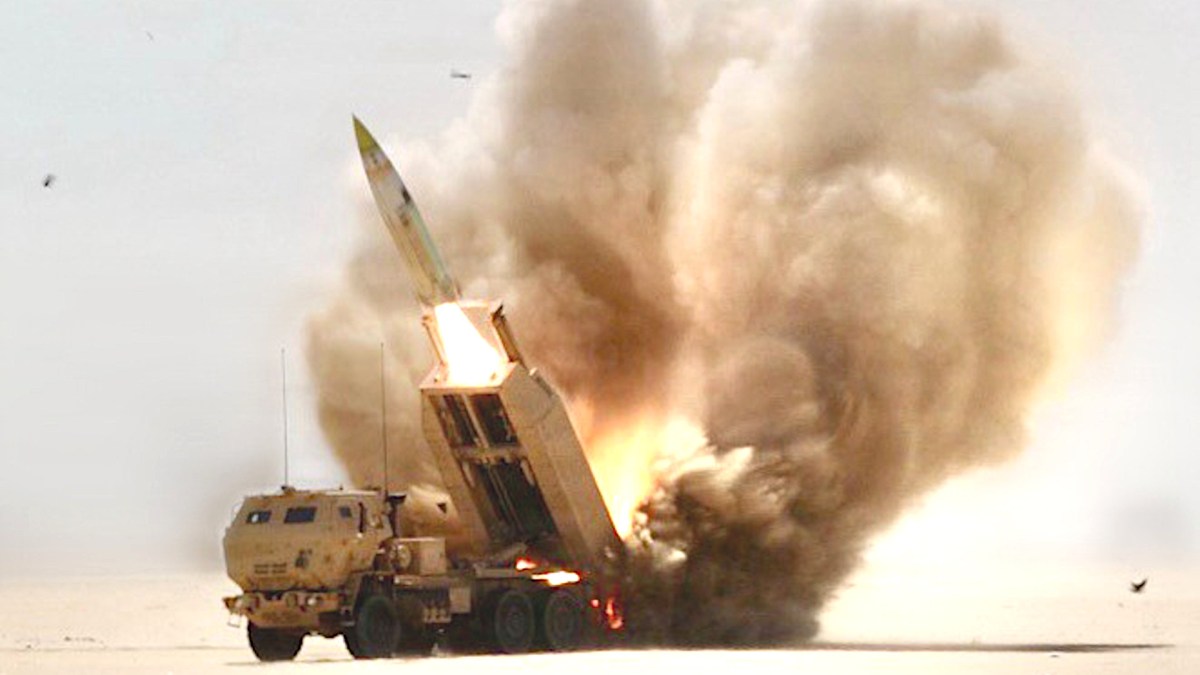
United States military forces have confirmed the destruction of an Iranian submarine using Army Tactical Missile System (ATACMS) short-range ballistic missiles, according to reporting from The War Zone. The strike is part of a broader American campaign that has systematically targeted Iran's naval fleet using ballistic and other precision weapons—a campaign that has significantly degraded Iran's ability to project naval power and threaten commercial shipping and military assets in the Persian Gulf and broader Middle East region.
The submarine—the specific type and designation have not been disclosed—would have had to be stationary in port or at anchor at the time of the strike, as ATACMS in its currently fielded variants cannot guide onto moving targets. The weapon is designed for fixed and semi-fixed targets, using its precision GPS and inertial guidance to deliver a conventional warhead with high accuracy against installations, parked vehicles, and vessels that are not underway.
ATACMS in the Anti-Navy Role
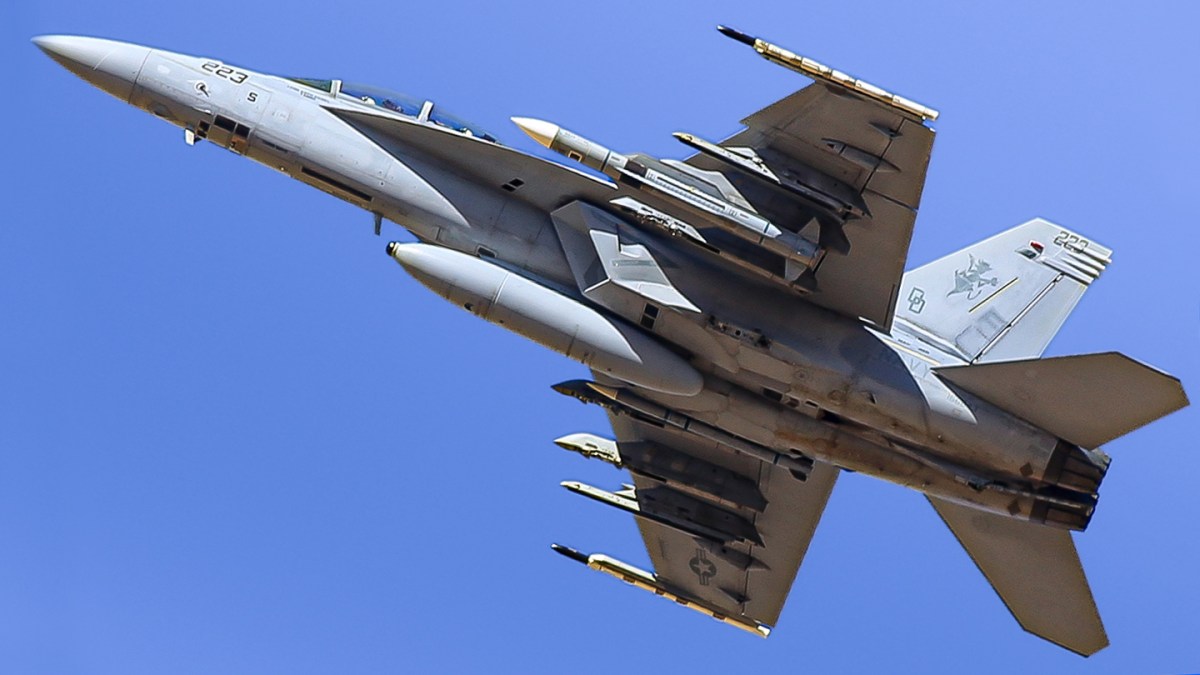
The use of ballistic missiles against naval targets represents a notable operational innovation. ATACMS, with a range of approximately 300 kilometers in its longer-range variants, allows US forces to strike targets at distance without requiring aircraft to enter heavily defended airspace. This standoff capability has proven particularly valuable in the current operational context, where Iranian air defenses and the risk of escalation make penetrating strikes more complex.
The PrSM (Precision Strike Missile), ATACMS's successor system currently being fielded by the US Army, extends the range further and adds some enhanced guidance capabilities. Reports indicate that PrSM has also been employed in the Iran naval campaign, extending the reach of US ground-based precision fire beyond what ATACMS alone could achieve.
Iran's Naval Losses
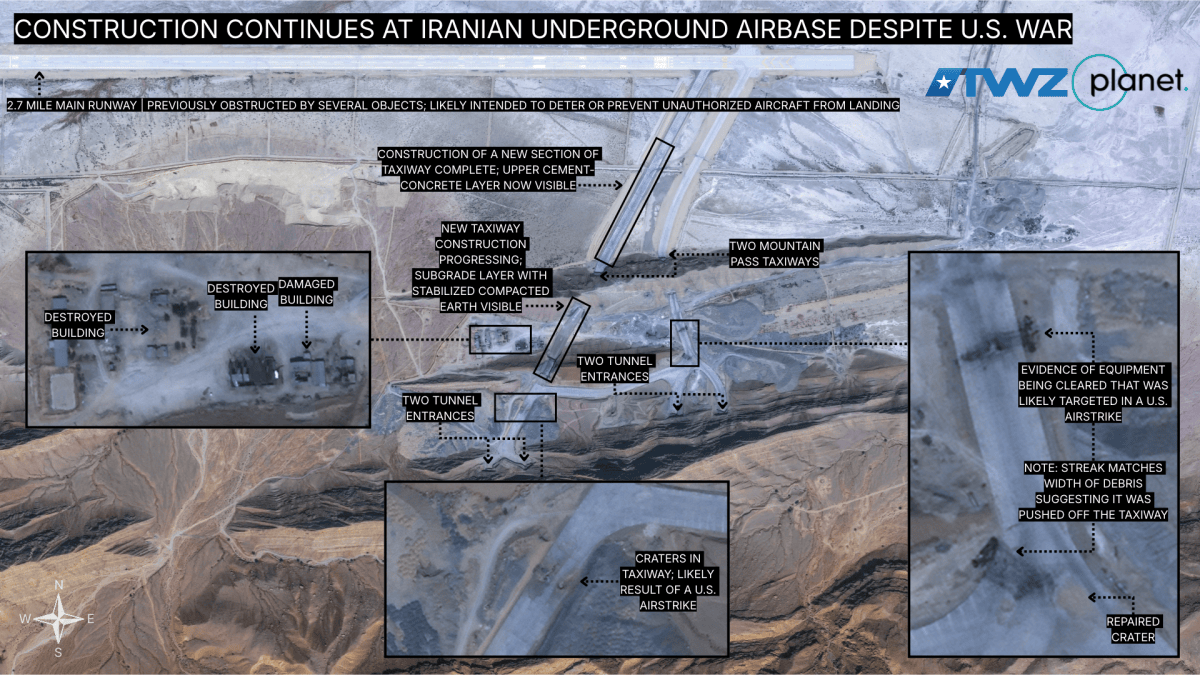
The submarine destruction is the latest in a series of significant losses for Iran's naval forces. Multiple surface combatants, logistics vessels, and port infrastructure have reportedly been struck in recent months. Iran's naval doctrine has historically relied on a strategy of sea denial—using swarms of fast attack craft, anti-ship missiles, mines, and submarines to threaten adversaries in the confined waters of the Persian Gulf and Strait of Hormuz rather than contesting blue-water naval power.
The systematic degradation of this fleet challenges Iran's ability to execute that strategy. Submarines, even older diesel-electric types of the kind Iran operates, are among the more capable tools in Iran's asymmetric naval arsenal. They can conduct covert mining operations, threaten shipping, and complicate the operational planning of adversaries who must account for their presence. Eliminating them removes a significant capability.
The Targeting Challenge
Submarines present particular intelligence and targeting challenges. Unlike surface ships that are visible to satellites and maritime patrol aircraft, submarines operating submerged are difficult to track. The fact that this submarine was struck implies either that it was in port, in drydock, or in shallow water where it could be identified and targeted—or that intelligence had determined its location in advance.
The strike demonstrates that the US has maintained sufficient intelligence, surveillance, and reconnaissance capability to locate and strike high-value Iranian military assets even amid a complex and active operational environment. The ability to hold submarines at risk in port is itself a powerful deterrent message, signaling that Iran's most sophisticated naval assets are not safe from precision fire even when not underway.
Regional Implications
The destruction of an Iranian submarine carries implications well beyond the immediate military balance. Iran's submarine force, though small and composed largely of older vessels, is viewed by Gulf states as a meaningful threat. Its elimination reduces the security calculus for commercial shipping operators and regional naval forces alike.
Iran has responded to previous strikes with a combination of public statements, limited retaliatory actions, and continued asymmetric operations. How Tehran responds to the loss of a submarine—a more prestigious and capable asset than a fast attack craft or patrol vessel—will be closely watched. The submarine's loss also complicates Iran's ability to negotiate from strength in any eventual diplomatic engagement over its regional military posture.
The Broader ATACMS Legacy
The Iran campaign is adding to a growing record of ATACMS effectiveness in real combat conditions. The weapon was used extensively in the Ukraine conflict, where it struck Russian airfields, logistics hubs, and command nodes at distances that previously would have required air power. Its role against Iranian naval assets demonstrates the system's versatility across different target types and operational environments.
The US Army's continued investment in long-range precision fire—including ATACMS, PrSM, and future hypersonic systems—reflects a strategic judgment that land-based ballistic and cruise missiles can provide many of the effects previously achievable only by manned aircraft, with lower risk to flight crews and potentially lower cost per strike.
This article is based on reporting by twz.com. Read the original article.
Originally published on twz.com