Long-range land strike moves from concept to regional signal
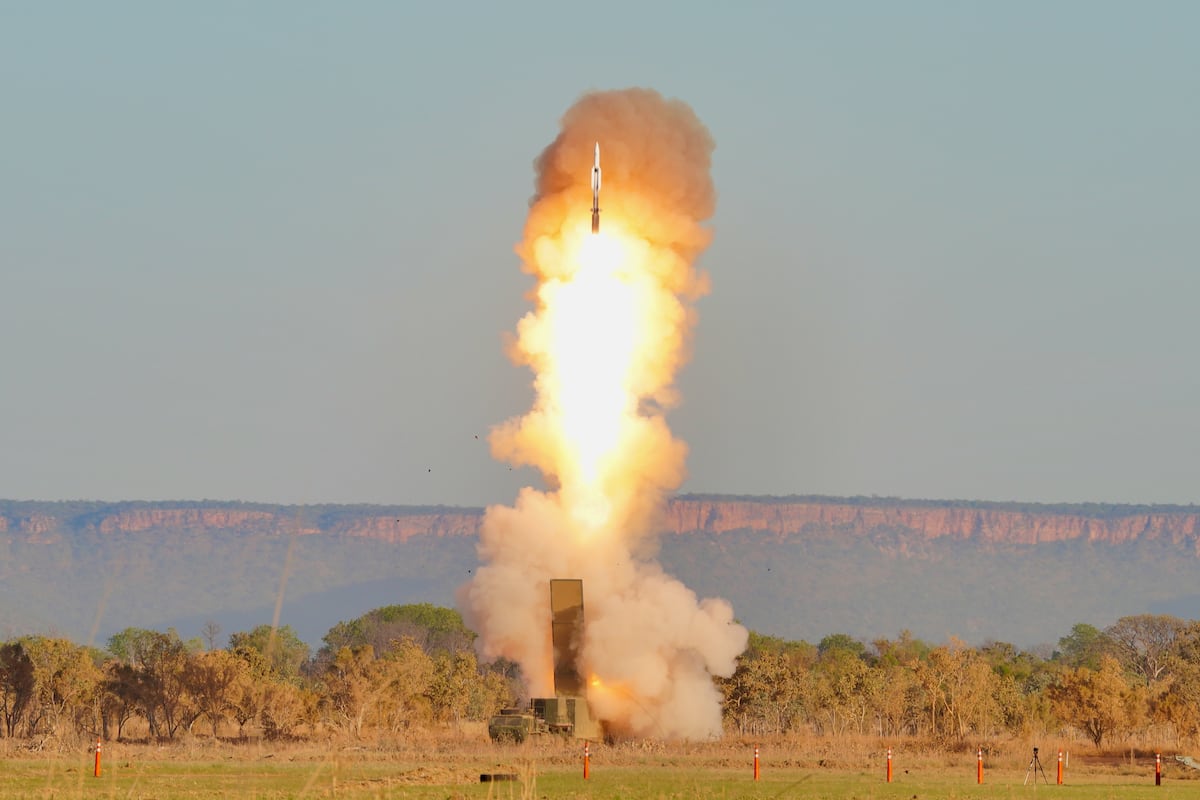
The U.S. Army has successfully fired a Tomahawk cruise missile from its Typhon launcher during military exercises in the Philippines, marking a notable operational moment for a land-based long-range strike system designed for the Indo-Pacific. According to Defense News, the missile was launched around 12:10 a.m. local time on May 5 from the central Philippines and struck a target roughly 600 kilometers away at Fort Magsaysay in Nueva Ecija about an hour later.
The launch involved the U.S. Army Pacific’s 1st Multi-Domain Task Force and the Philippine Army Artillery Regiment as part of the ongoing Balikatan exercises between American and Filipino forces. Philippine military officials described the strike as highly precise. The demonstration was intended to support a night land maneuver exercise led by the U.S. Army’s 25th Infantry Division at Fort Magsaysay.
On the technical level, the event shows the Army’s Typhon system operating in a real allied exercise setting with a proven long-range cruise missile. On the strategic level, it sends a message about the kind of distributed, land-based firepower the United States wants available inside the first island chain and nearby operational theaters.
Why Typhon matters
Typhon is important because it represents a change in how the U.S. Army contributes to theater-level deterrence. Rather than relying only on shorter-range artillery or leaving deep strike primarily to naval and air forces, the Army is building a role for itself in long-range precision fires against distant targets. A launcher that can fire Tomahawk missiles gives land forces a way to hold high-value targets at risk from positions ashore, potentially complicating adversary planning.
That capability is especially relevant in the Indo-Pacific, where geography drives strategy. Archipelagos, chokepoints and long maritime approaches create advantages for mobile systems that can move, hide and strike from dispersed positions. A ground-based cruise missile launcher deployed alongside allies can become both a military asset and a political symbol of commitment.
The Philippines is an especially consequential setting for such a demonstration. Manila’s defense ties with Washington have deepened in recent years, and the location of exercises and deployments is watched closely across the region. A successful launch from Philippine territory during a major joint drill is therefore not just a training event. It is a visible signal about alliance interoperability and the kind of capabilities that may shape future regional contingencies.
Precision, range and message
The reported flight profile also matters. The missile traveled from Tacloban to the target area in Laur, according to a Philippine official quoted by Defense News. The source text states that it hit within Fort Magsaysay after about an hour in flight. Those details reinforce the practical point of the demonstration: the system can conduct a long-range precision mission in support of joint operations, including at night.
For military planners, such tests and exercise firings help answer operational questions about integration, timing, logistics and command relationships. For outside observers, they highlight a broader shift in U.S. posture. The United States is not only talking about distributed lethality and multi-domain operations; it is actively rehearsing them with partners in contested geography.
The fact that the launch occurred during Balikatan is also significant. These annual exercises have grown into a prominent venue for demonstrating alliance readiness and new capabilities. Including a Typhon-fired Tomahawk places long-range strike closer to the center of that evolving exercise narrative.
Regional implications
Any deployment or demonstration of U.S. missile systems in Asia carries a political dimension, and the Typhon system is no exception. Defense News notes related Chinese objections to U.S. Army missile launcher activity in the region. While the supplied source text does not provide Beijing’s latest reaction to this specific firing, it is reasonable to say that such developments will be interpreted through the lens of strategic competition and deterrence.
For the Philippines, participation offers both opportunity and risk. Closer defense integration can improve readiness, raise the credibility of mutual defense ties and enhance the Philippine military’s familiarity with advanced systems and concepts. At the same time, hosting or enabling more visible U.S. strike capabilities can increase diplomatic pressure and place the country more squarely inside regional power competition.
For the United States, the value lies in demonstrating that alliance networks can support flexible, mobile firepower. The more such systems can be exercised with partners, the more credible they become as operational options rather than paper capabilities.
From experimentation to posture
The larger significance of the Tomahawk launch is that it suggests the Army’s long-range modernization is moving beyond procurement headlines into visible field use. Precision strike systems only affect deterrence if adversaries believe they can be deployed, sustained and employed effectively. Exercises like this are where that credibility gets built.
The source text does not indicate whether the firing signals a new permanent posture or a one-off event tied only to Balikatan. But it does show the trajectory clearly. The Army is integrating long-range missiles into allied exercises in the western Pacific, and the Philippines is part of that picture.
That makes this launch more than a test shot. It is a snapshot of how U.S. and allied military planning in Asia is changing: more mobile, more distributed and increasingly willing to place deep-strike options on land where they can be seen.
This article is based on reporting by Defense News. Read the original article.
Originally published on defensenews.com