Oil tanker strike adds new tension after U.S. sanctions move on Iran
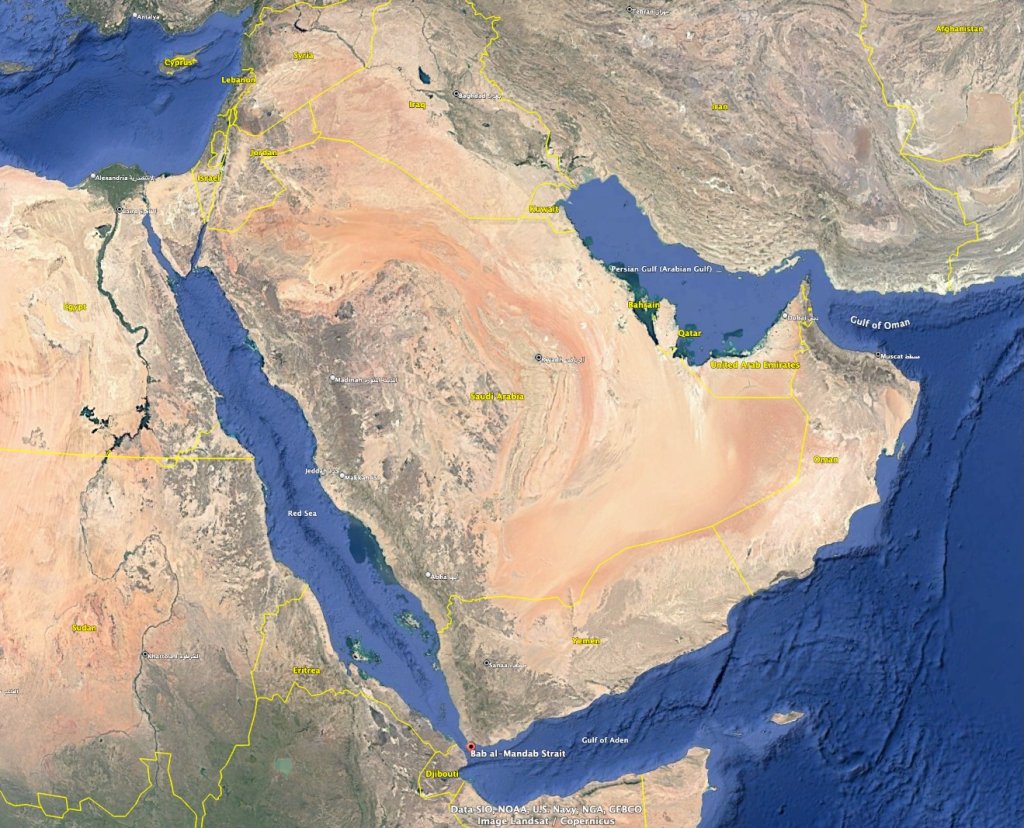
A fresh maritime security incident in the Strait of Hormuz has intensified an already volatile confrontation between Washington and Tehran. On Monday evening, the United Kingdom Maritime Trade Operations center said it received a report that an oil tanker had been struck by an unknown projectile about nine nautical miles northeast of Ash Shishah, Oman, causing damage to the engine room and disabling the vessel.
According to the UKMTO notice cited by The War Zone, the crew was reported safe, but the environmental impact was not immediately known and authorities were investigating. The advisory urged vessels transiting the area to use caution and report suspicious activity. Even without an official attribution at the time of the report, the incident immediately raised the stakes in one of the world’s most strategically sensitive waterways.
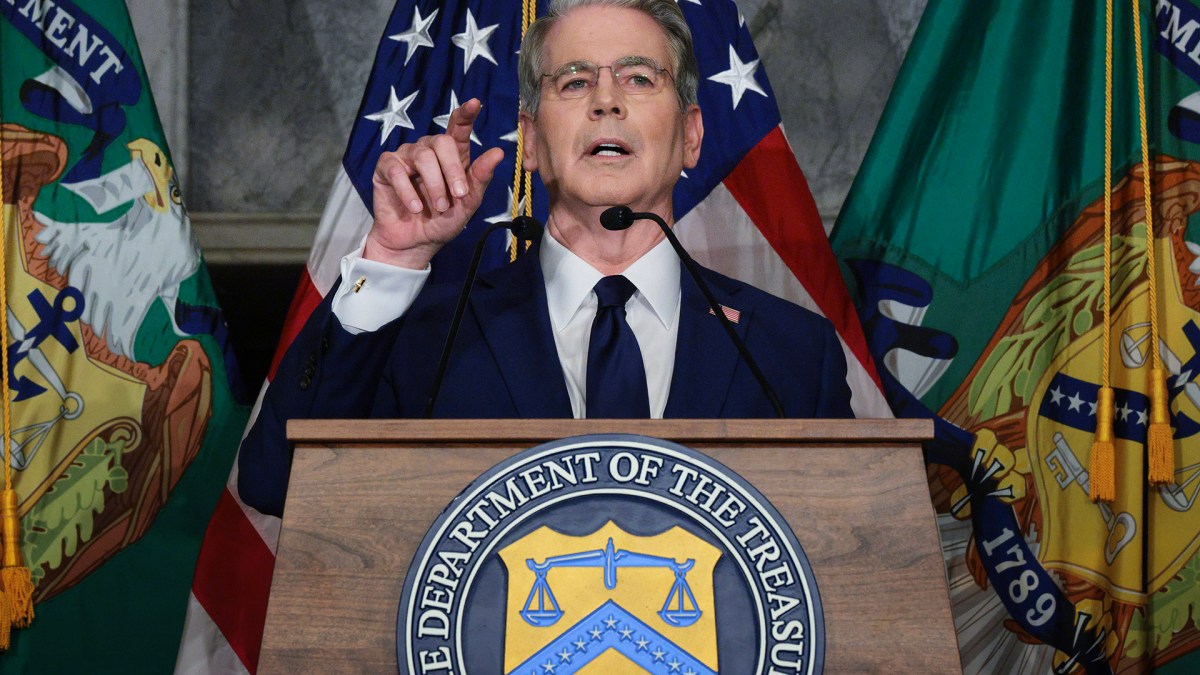
The timing is what made the attack especially consequential. It came only hours after Treasury Secretary Scott Bessent outlined a new U.S. sanctions effort intended to further isolate Iran economically and push it back toward negotiations. The administration had initially framed the move as an “economic D-Day” against Iran, though The War Zone noted that the measures presented Monday lacked firm timelines and appeared less definitive than that rhetoric implied.
A narrow waterway with outsized consequences
The Strait of Hormuz has long been one of the most important chokepoints in the global energy system. Disruptions there carry weight far beyond the immediate military exchange because they can affect shipping costs, insurance rates, oil flows and broader perceptions of regional stability. A strike that disables an oil tanker, even without mass casualties, sends an unmistakable signal to commercial operators and governments watching the region.
That is why incidents in the strait rarely remain local. A projectile strike on a tanker near Oman reverberates into financial markets, naval planning and diplomatic calculations almost immediately. It also complicates any attempt to manage escalation through purely economic means, because it demonstrates how quickly pressure can move from sanctions and statements back into kinetic action.
The War Zone described the event as a reminder that hostilities linked to the war launched on Iran by the United States and Israel on Feb. 28 are still radiating across the region. The report connected the latest strike to a larger pattern of instability that continues to affect maritime routes and the global economy months after the conflict began.
Sanctions pressure meets military risk
The Trump administration’s latest move appears designed to increase economic coercion without immediate recourse to bombardment. Bessent’s announcement described broad new measures intended to cut Iran off further from global trade and induce what U.S. officials hope will be enough economic pain to bring Tehran back to talks.
But the tanker strike shows the central weakness of this approach. Economic pressure can be calibrated slowly, yet security deterioration at sea can occur suddenly. If maritime incidents accelerate while sanctions are being rolled out, the administration may find that its preferred path of coercion is overtaken by events on the water.
That dynamic is particularly dangerous because a sanctions strategy relies on signaling resolve while maintaining enough control to avoid immediate regional war. Maritime attacks undermine that balance. They raise the political cost of restraint for Washington and its partners while giving Iran or Iranian-aligned actors a way to demonstrate that economic isolation will not remain confined to balance sheets and shipping manifests.
The UKMTO report itself remained narrowly factual. It said the tanker was hit by an unknown projectile, that the engine room was damaged, that the vessel was disabled and that the crew was safe. That limited official account leaves major questions unanswered, including what weapon was used, whether the tanker was specifically targeted and what secondary effects may emerge if environmental damage is confirmed.
A region under layered strain
The tanker strike was not the only maritime incident cited in The War Zone’s report. Earlier the same day, Houthi rebels in Yemen reportedly attacked another Saudi ship in the northern Red Sea. Taken together, the incidents point to simultaneous pressure on two crucial waterways tied to Middle Eastern energy and trade flows: the Strait of Hormuz and the Red Sea corridor.
That overlap matters. It suggests that shipping companies and navies are facing a regional environment in which multiple flashpoints can reinforce one another. A vessel owner deciding how to route cargo or price risk is not evaluating a single isolated attack; it is assessing whether the entire maritime security picture is deteriorating.
For U.S. strategy, that means sanctions policy cannot be separated from force protection, convoy security and alliance coordination. Every attack or attempted attack creates a stronger case for visible defensive action, even if the original policy objective was to rely on economic leverage rather than direct strikes.
What comes next
The immediate next step is likely to be technical investigation and intelligence collection. Authorities will need to determine what struck the tanker, whether there are identifiable launch signatures and whether any state or proxy network can be tied to the incident. Until that happens, official claims may remain carefully worded. Still, the operational effect is already clear: a commercial vessel in the strait was disabled by hostile action just as the United States attempted to open a new economic front against Iran.
That alone may alter the policy debate. If maritime attacks continue, the administration could face pressure to move beyond sanctions rhetoric and adopt more visible protective or retaliatory measures. If attacks subside, U.S. officials may argue that the sanctions campaign can still create leverage without a larger military confrontation. For now, the region appears stuck between those two possibilities.
The incident also highlights a recurring reality of modern coercion campaigns. Economic tools are often presented as alternatives to war, but in a live conflict environment they can become just one layer of escalation rather than a substitute for it. Monday’s events in and around the Strait of Hormuz underscored that point with unusual speed.
- UKMTO said an oil tanker near Oman was struck by an unknown projectile and disabled.
- The crew was reported safe, while authorities investigated possible environmental damage.
- The incident came hours after the U.S. announced new sanctions aimed at increasing pressure on Iran.
This article is based on reporting by twz.com. Read the original article.
Originally published on twz.com