From desert storage back to the flight line
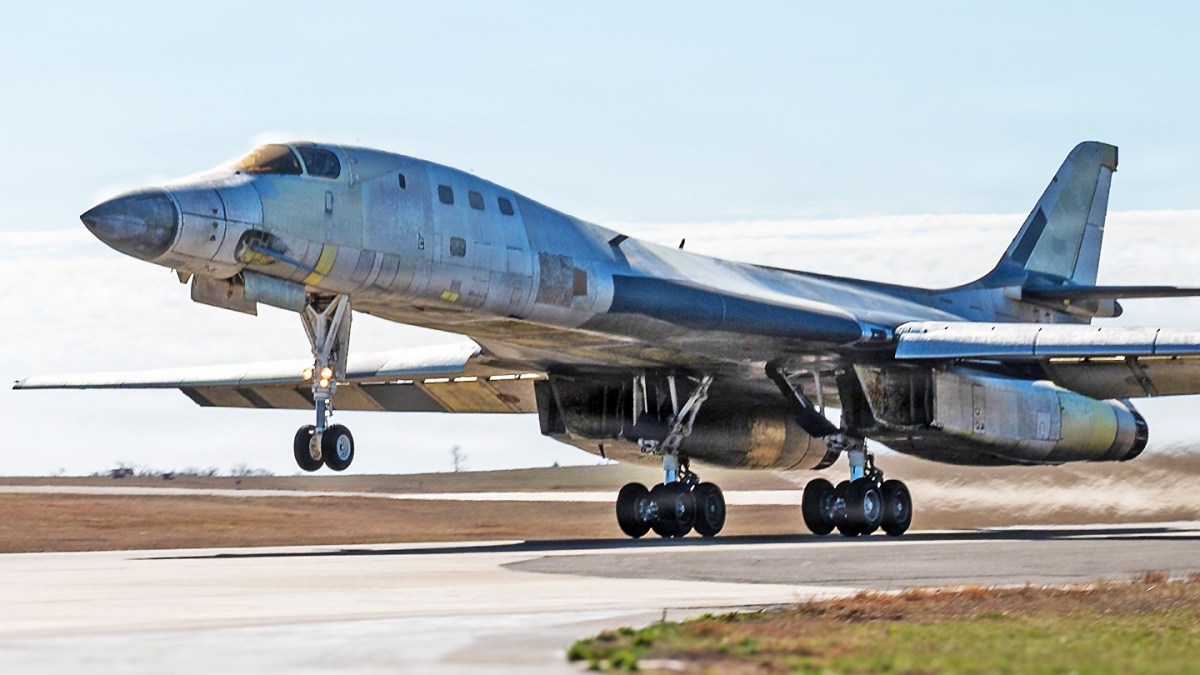
The U.S. Air Force has returned a previously retired B-1B Lancer to operational status, reversing what had once appeared to be a one-way trip to the aircraft boneyard. According to the supplied source text, the bomber is serial 86-0115, formerly named Rage, and it departed Tinker Air Force Base after nearly two years of depot maintenance work. The aircraft has now reentered service under the name Apocalypse II.
That turnaround is striking on its own. It is not routine for a bomber sent into long-term storage to come back into the active fleet, and the case says a great deal about how the Air Force currently values the B-1B. The service once moved to shrink the fleet as it prepared for the B-21 Raider era, but the latest development shows that retirement planning and force-management reality have diverged.
Why this airframe matters
The source text explains that the jet had been placed in Type 2000 storage at the 309th Aerospace Maintenance and Regeneration Group at Davis-Monthan Air Force Base in Arizona. That storage category is significant because it preserves aircraft in a condition intended to make a return to service easier if needed. In other words, this was not simply a display-piece retirement. The aircraft was held in a way that kept future recovery possible.
The B-1B originally arrived at the boneyard in 2021, when 17 B-1Bs were retired to reduce the fleet from 62 aircraft to 45. The stated purpose of that consolidation, as described in the source text, was to improve readiness and redirect funds toward the bomber’s replacement, the B-21. At the time, the move fit a broader pattern in U.S. force planning: narrow the aging fleet, preserve higher readiness among the remaining aircraft, and transition investment toward the next generation.
What has changed is the time horizon. The B-21 is the long-term successor, but current demands still require available bombers. The return of 86-0115 suggests that keeping numbers and capacity up has regained importance, even as the future force is being built.
A long maintenance effort with strategic meaning
The Air Force says work on the aircraft was led by the Oklahoma City Air Logistics Complex. The nearly two-year regeneration and depot maintenance effort underscores how resource-intensive bomber sustainment can be. This was not a quick refurbishment. It was a deliberate effort to recover an airframe that had already been taken out of service and sent to desert storage.
That kind of investment only makes sense if the aircraft is judged worth the time, labor, and money. The B-1B remains a large conventional strike platform with speed, payload, and long-range utility. Even without adding claims beyond the source text, the basic fact of the regeneration shows the Air Force sees enough operational value in the type to reverse at least one retirement decision.
The source text also notes that the bomber returned to flight at Davis-Monthan in 2024 before later work at Tinker. That sequence reinforces the idea that the recovery was staged and methodical rather than symbolic. The jet moved from storage preservation to flight recovery to depot-level restoration and finally back to operational status.
What the source establishes
- B-1B serial 86-0115 was previously retired and sent to Davis-Monthan in 2021.
- The aircraft was kept in Type 2000 storage, a condition that supports possible future reactivation.
- After nearly two years of maintenance work, it departed Tinker Air Force Base and returned to service.
The bomber force is still in a transition era
The broader lesson is that transition plans rarely unfold in a straight line. The B-1B fleet was reduced in order to improve readiness and make room for the future, but current force needs have kept the aircraft relevant longer than earlier retirement narratives suggested. Bringing one back from the boneyard is a practical acknowledgment that replacement programs do not erase present-day operational demand.
That does not mean the long-term direction has changed. The B-21 remains the intended successor. But the Air Force’s decision to regenerate a retired B-1B indicates that bomber capacity today still matters enough to justify extraordinary sustainment measures. That is especially telling because the source text frames the earlier storage choice partly around the possibility of restoring aircraft in the event they were needed later.
In that sense, the return of Apocalypse II validates the logic behind Type 2000 storage itself. The Air Force preserved optionality and has now exercised it. For analysts watching bomber modernization, that is perhaps the most important point. Force design is not just about next-generation platforms; it is also about how intelligently the military manages the margin between what is leaving service and what has not yet fully arrived.
For Developments Today, this story stands out because it is not only an aviation maintenance milestone. It is a visible sign of how the Pentagon is balancing modernization with immediate force availability. A bomber once written off as retired is flying again, and that says as much about strategic demand as it does about engineering effort.
This article is based on reporting by twz.com. Read the original article.

Originally published on twz.com