Direct fire used again in blockade enforcement
U.S. forces operating in the Gulf of Oman used an F/A-18 Super Hornet to disable the rudder of an Iranian-flagged ship after the vessel ignored repeated warnings, according to details attributed to U.S. Central Command. The incident marks another escalation point in the enforcement of the U.S. blockade against ships attempting to enter or depart Iranian ports, and it highlights how military aircraft are being used not only for deterrence but for direct disabling action against commercial maritime traffic deemed noncompliant.
The command said the incident occurred at 9 a.m. EDT and involved the Iranian-flagged vessel M/T Hasna. According to the supplied source text, U.S. forces observed the ship transiting international waters en route to an Iranian port on the Gulf of Oman. After issuing multiple warnings and informing the vessel that it was in violation of the blockade, the military says it opened fire when the ship failed to comply.
What the military says happened
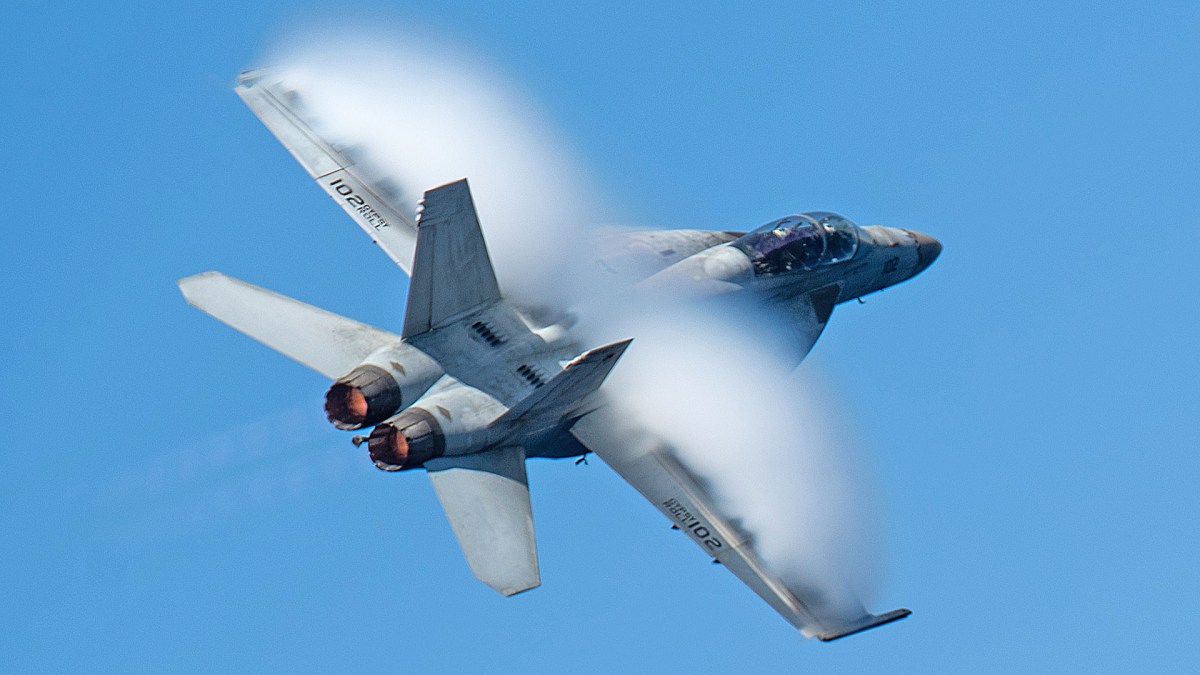
The aircraft involved was an F/A-18 launched from the aircraft carrier USS Abraham Lincoln. Rather than sinking or fully destroying the vessel, the stated purpose of the attack was to stop its movement toward Iran by striking the rudder with several rounds from the jet’s 20mm cannon. Central Command said that after being fired upon, the ship was no longer traveling to Iran.
That detail matters because it frames the action as a disabling strike rather than an attempt to destroy the ship outright. In operational terms, targeting steering can be a way to halt a vessel while limiting broader damage, though the use of live cannon fire against a large commercial ship is still a serious and highly visible escalation.
Second known case in the current campaign
The report says this is the second known instance in which U.S. forces have fired on an Iranian-linked large commercial vessel in connection with the blockade. The earlier case cited in the source text involved the destroyer USS Spruance, which reportedly fired inert 5-inch rounds into the engine room of the Iranian cargo ship Touska on April 19 after that vessel also failed to comply with warnings.
Taken together, the two episodes suggest that the blockade is moving beyond warning-and-shadow tactics into a phase where disabling force is being used to compel compliance. The difference in platforms, one a destroyer and the other a carrier-based strike fighter, also suggests commanders are using a range of assets depending on location, timing, and the behavior of the targeted vessel.
Strategic backdrop
The incident comes during a volatile political moment. The source text says it occurred as a new peace initiative between the United States and Iran was being floated, and a day after President Donald Trump paused the short-lived Project Freedom operation to protect commercial shipping trying to escape the Persian Gulf through the Strait of Hormuz.
That juxtaposition is striking. Diplomatic motion and coercive maritime enforcement are unfolding at the same time. The result is a more complicated signaling environment in which U.S. military actions at sea can affect negotiations, perceptions of escalation, and the behavior of commercial operators navigating the region.
Why the event matters
The Gulf of Oman and the Strait of Hormuz remain among the world’s most strategically sensitive waterways. Actions there reverberate beyond the immediate military encounter because they involve global shipping, energy flows, and regional deterrence. A blockade enforced with direct fire against vessels raises the stakes for shipowners, insurers, and governments trying to assess risk.
It also raises questions about thresholds. If warnings are ignored, the latest episode suggests U.S. forces are prepared to use precision disabling fire from aircraft, not just surface vessels. That expands the visible enforcement toolkit and may influence how future vessels judge the credibility of American warnings.
What remains uncertain
The supplied text does not provide an Iranian response, independent confirmation from the vessel’s operators, or further details about the ship’s condition after the strike. It also does not clarify what happened after the Hasna changed course, whether it was escorted, boarded, or monitored further. Those details will matter in assessing both the proportionality and the practical effect of the operation.
What is clear from the current record is that the United States says the blockade remains fully in effect, and that commanders are willing to use disabling force to enforce it. In a region where even limited incidents can have outsized geopolitical consequences, that alone makes this encounter a significant development.
This article is based on reporting by twz.com. Read the original article.
Originally published on twz.com