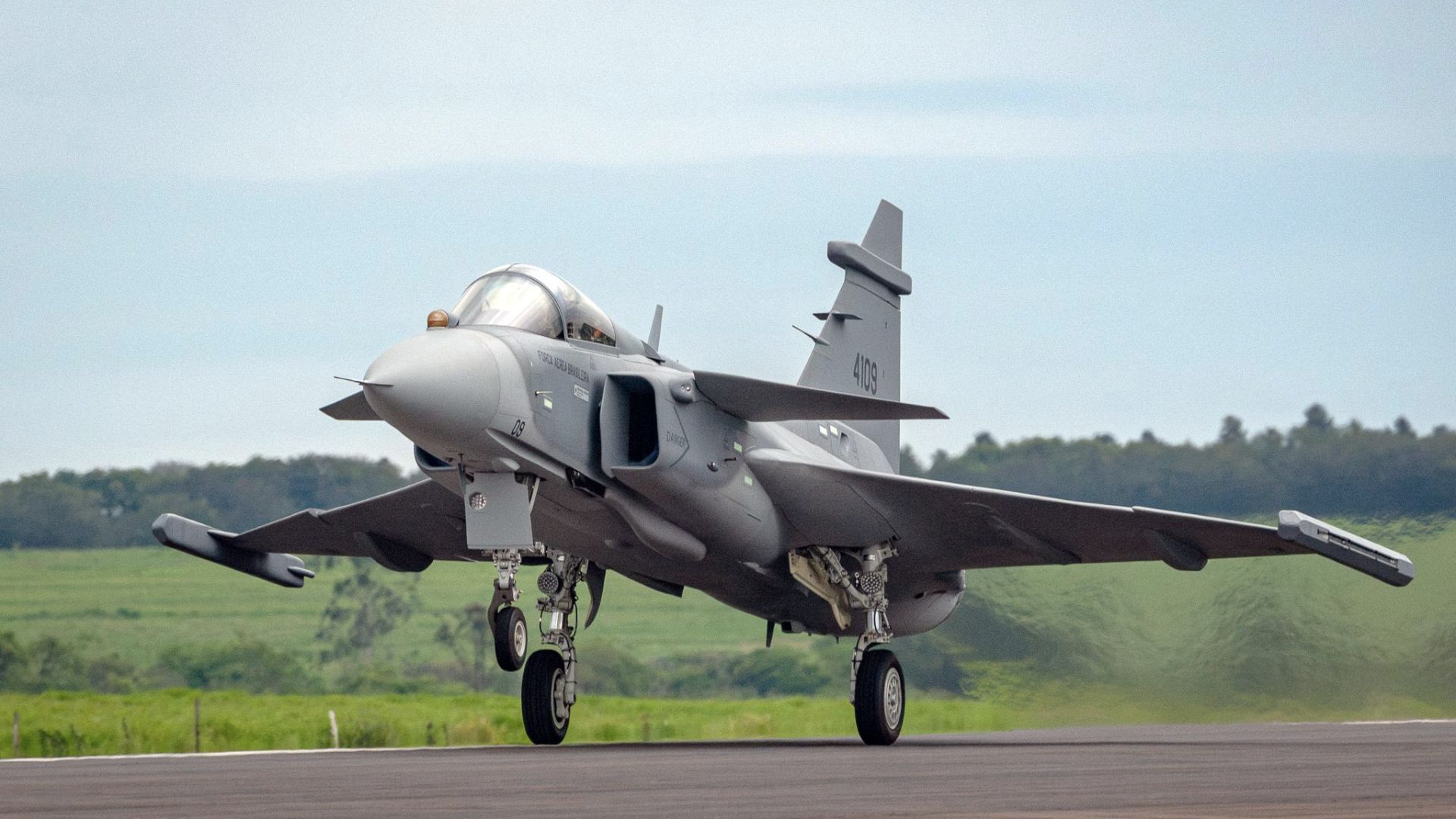
Oslo moves to expand defense spending over the next decade
Norway has unveiled plans to add 115 billion krone, or about $11.8 billion, to its defense spending through 2035, arguing that a more unstable security environment and rising equipment costs require a sharper buildup than previously planned. If approved by parliament, the increase would be folded into the country’s revised Long-term Defence Plan 2025-2036 and help put Norway on track to meet NATO’s 3.5% of GDP spending target by 2035.
The proposal, reported by Breaking Defense, reflects the speed with which European defense planning continues to harden. Norway’s government is not presenting the extra spending as a symbolic hedge. It is tying the increase directly to lessons from the war in Ukraine, cost inflation in military procurement, and the need to strengthen capabilities faster than initially envisioned.
How the new funding would be spent
Prime Minister Jonas Gahr Støre made that case plainly, saying equipment costs have risen and that the war in Ukraine has offered new insights. Under the proposal, 31 billion krone would be spent by 2030, with the remaining 84 billion allocated between 2030 and 2035. Norway’s defense budget for 2026 already sits at 180 billion krone, so the additional funding would meaningfully extend an existing upward trajectory rather than start a new one from scratch.
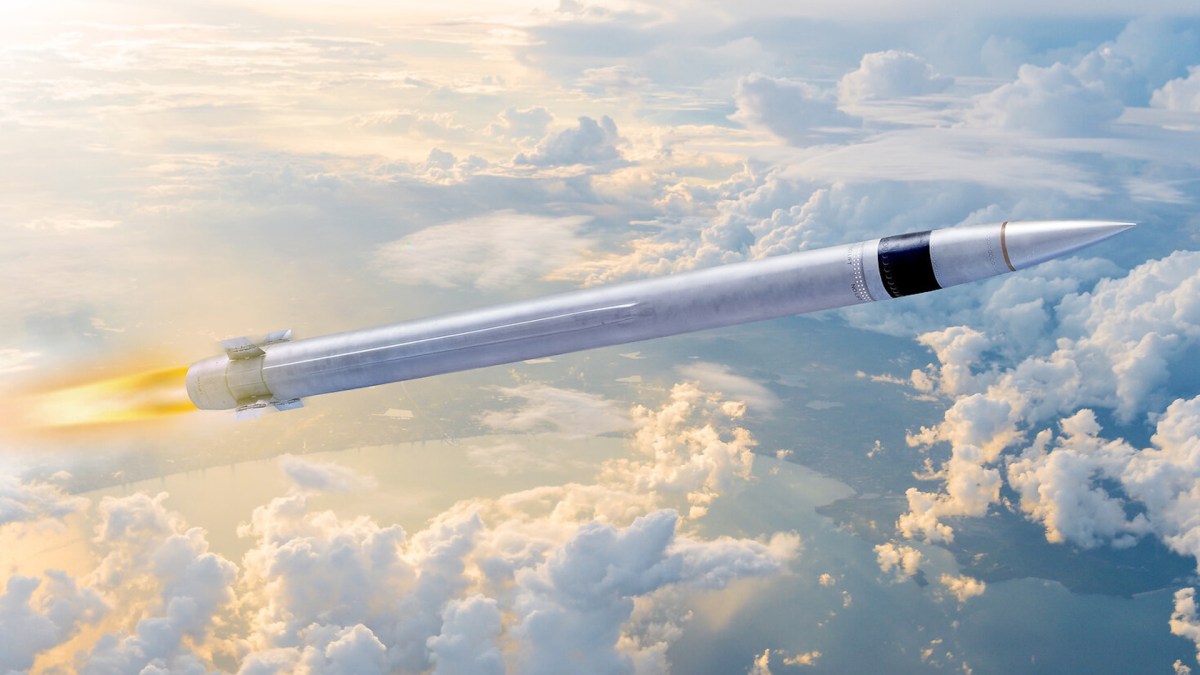
The planned spending priorities show where Oslo sees the most urgent gaps. According to Breaking Defense, the money would go toward “combat-critical munitions,” including the acquisition of Advanced Anti-Radiation Guided Missile – Extended Range weapons for Norway’s fleet of F-35 fighters. The government expects to sign a deal for those Northrop Grumman-made missiles by the end of the year, with deliveries projected for 2031 to 2032.
Norway also wants to use the added funding to speed up the introduction of new Type 212CD submarines built by Germany’s ThyssenKrupp Marine Systems and the acquisition of the first two Type 26 anti-submarine warfare frigates produced by BAE Systems in the UK. Taken together, those priorities point to a familiar European defense pattern: more munitions, more maritime capability, and greater emphasis on survivability and deterrence in a region increasingly focused on Russia and Arctic security.
A buildup shaped by NATO expectations and regional geography
Norway occupies a strategically sensitive position inside NATO. It sits on the alliance’s northern flank, borders Russia, and plays an outsized role in North Atlantic and Arctic security despite its relatively small population. That geography makes investments in airpower, undersea warfare, and maritime presence especially important. It also means Norway’s defense debates are about more than national protection; they are tied directly to alliance reinforcement routes, sea lane security, and northern deterrence.
The 3.5% GDP target cited in the proposal is notable in itself. NATO governments have spent years under pressure to raise military spending, but the debate is no longer just about reaching a legacy 2% benchmark. In Norway’s case, the proposed path suggests that alliance burden sharing is now being reframed around a much higher level of sustained commitment, especially for countries in more exposed geographies.
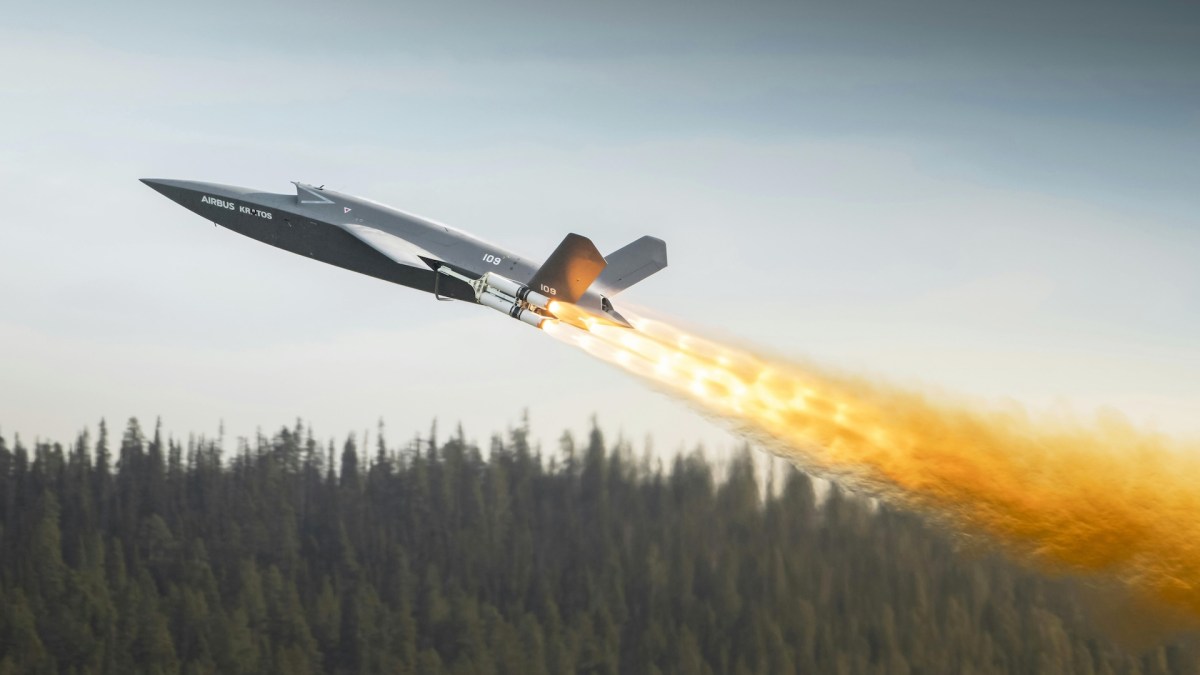
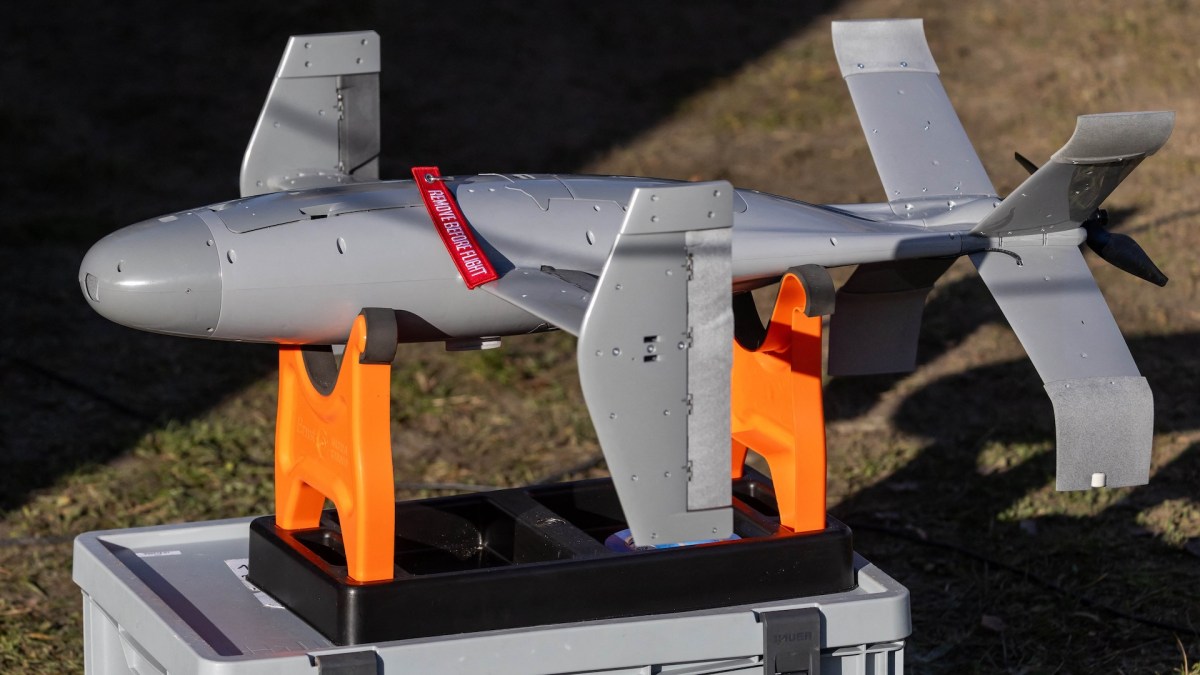
The government’s language shows that this is not just a budget adjustment but a reprioritization. Breaking Defense notes that the package also includes cancellation of a drone program. Even without extensive detail on that decision in the source text, the move signals that Norway is willing to trade off some plans in order to put more money into immediate firepower, fleet modernization, and systems judged more urgent in the current threat environment.
Why the proposal matters beyond Norway
The significance of the Norwegian plan extends beyond its headline figure. It is another data point showing how European governments are shifting from incremental modernization to long-horizon rearmament with near-term urgency. That combination matters. Procurement programs like submarines and frigates stretch across many years, but the rhetoric around them is increasingly tied to present risk rather than distant planning cycles.
There is also an industrial implication. AARGM-ER missiles, Type 212CD submarines, and Type 26 frigates all connect Norway’s future force structure to US, German, and British defense manufacturing. That deepens interoperability, but it also ties readiness to delivery schedules, cross-border industrial capacity, and the ability of suppliers to keep pace with a continent that is ordering more at the same time.
Parliament still needs to approve the funding change and the associated equipment proposals, so the plan is not yet final. But the direction is clear. Norway is preparing for a security environment in which cost, time, and risk all point the same way: toward spending more, buying more critical munitions, and accelerating naval and air capabilities sooner than previously planned.
For Europe, that is becoming less an exception than a pattern. For Norway, with its Arctic exposure and frontline relevance to NATO, it is a recognition that deterrence now requires not only political resolve but a much larger material commitment than the country was expecting to make even a short time ago.
This article is based on reporting by Breaking Defense. Read the original article.
Originally published on breakingdefense.com