NATO sees a governance race in military AI
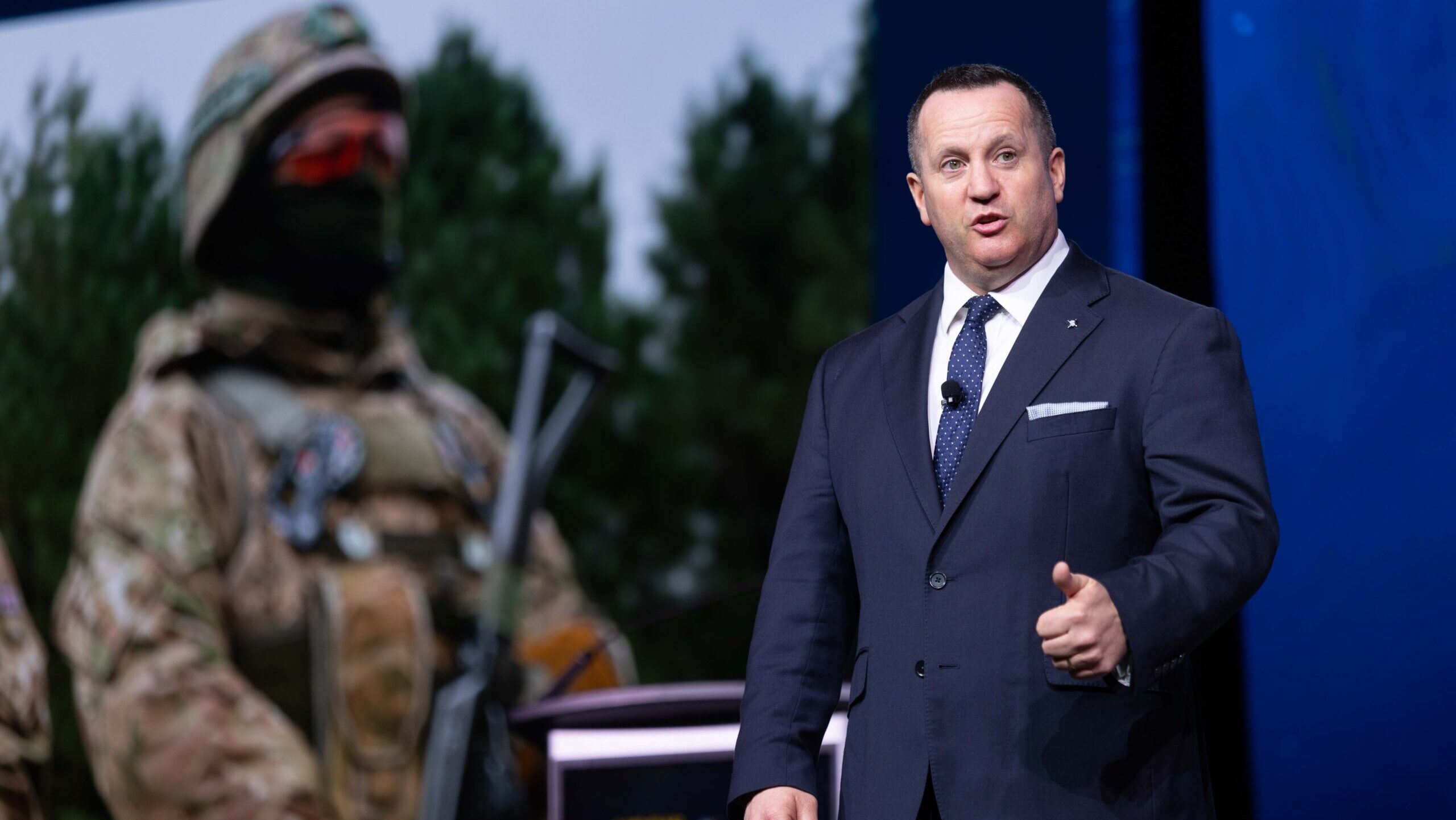
As artificial intelligence becomes more deeply embedded in military intelligence work, NATO is confronting a problem that is less about raw capability than about coordination. Maj. Gen. Paul Lynch, the alliance’s deputy assistant secretary general for intelligence, warned this week that the near-term challenge is to build common policies and data standards before member states’ AI systems evolve in incompatible ways.
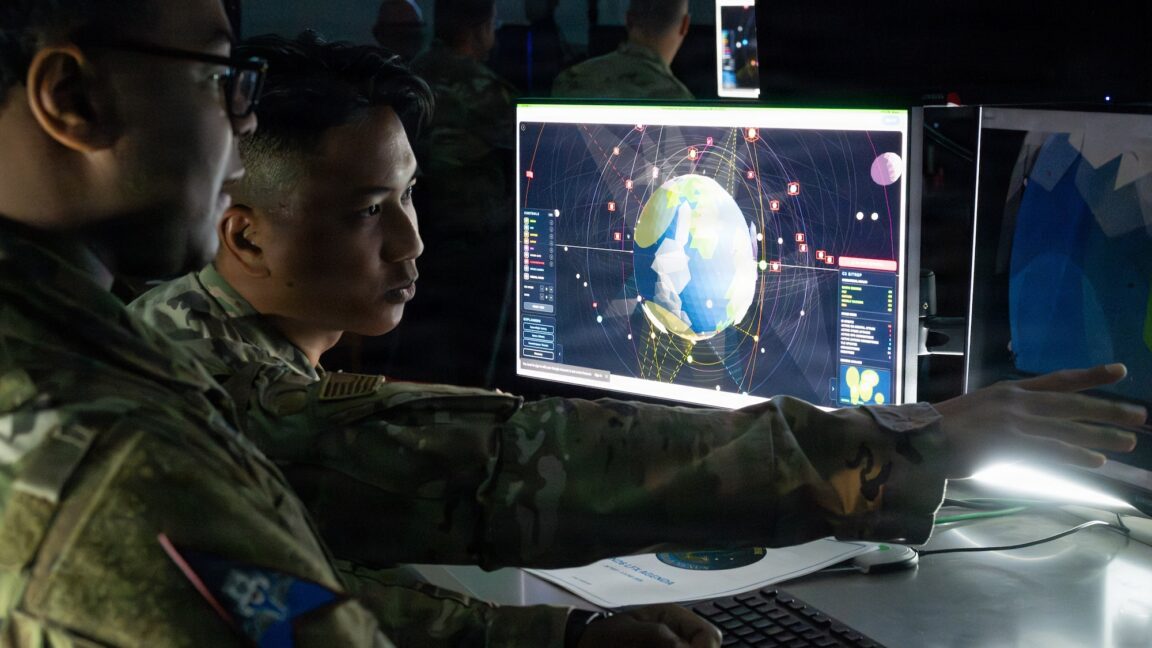
The warning is focused on geospatial intelligence, or GEOINT, where AI is increasingly used to analyze imagery, detect changes, and fuse multiple sources into faster operational assessments. Lynch’s message was blunt: the path to an AI-enabled intelligence advantage for allies runs through governance. If NATO fails to establish rules for how AI models are trained, documented, attributed, and evaluated, commanders may soon face contradictory outputs from different national systems without a clear basis for deciding which one to trust.
The interoperability problem is no longer hypothetical
Lynch sketched a scenario that captures the alliance’s concern. Two NATO member states might each develop their own national AI model, train it on separate imagery datasets, and apply different labeling conventions or analytical priorities. Both could then send intelligence reports to the same NATO commander. If the reports conflict, the question is no longer academic: which assessment should guide action, and with what level of confidence?
That is the interoperability challenge Lynch says no single nation can solve alone. NATO has long experience standardizing air defense, maritime awareness, and data formats. The question now is whether the alliance can apply the same rigor to AI before fragmented national approaches harden into operational risk.
His time horizon is unusually short. Lynch said the answer will effectively be decided in the next three years. That puts pressure on an alliance structure where all 32 members retain responsibility for their own AI policies, regulations, and intelligence-sharing practices.

AI is already changing what military analysis can do
The urgency comes from the fact that AI is not a future add-on in this field. Lynch said AI-enabled exploitation is already changing what is possible in imagery analysis, change detection, and multisource fusion. It is helping reduce the time between collection and an actionable product, while freeing analysts to focus more on tasks that require human judgment rather than high-volume pattern recognition.
That operational gain is exactly why NATO cannot afford to treat standards-setting as a side issue. Faster outputs are only an advantage if they can be compared, trusted, and integrated across allied systems. Otherwise, more automation may simply produce more disagreement at higher speed.
In intelligence work, confidence and provenance matter as much as speed. A product generated by AI may look precise, but without agreed documentation for how the model was trained, what data it saw, and how its confidence should be interpreted, decision-makers may not be able to judge whether the result is operationally usable.
Commercial satellite data is adding to the pressure
The challenge is compounded by NATO’s existing struggle to ingest the flood of geospatial data coming from commercial satellite constellations. Commercial providers have dramatically expanded the volume and cadence of imagery available to governments, creating new opportunities for monitoring human activity and natural events. But they also intensify the need for common handling, formatting, and analytic conventions.
GEOINT depends on precise interpretation of location, movement, and change over time. If member states use AI systems trained on different commercial feeds, structured with different metadata, or optimized for different operational priorities, interoperability can break down before the information even reaches a commander.
That is why Lynch’s framing matters. He is not arguing that NATO lacks AI tools. He is arguing that the alliance risks letting tooling outpace doctrine, standards, and institutional trust mechanisms.
Governance may determine whether alliance AI scales safely
Military debates about AI often focus on autonomy, ethics, or battlefield edge. NATO’s warning points to a more immediate but less visible problem: allied institutions need mechanisms for shared reliability. That includes knowing how models are trained, how AI-enabled products are attributed, and what confidence thresholds are acceptable in different contexts.
Those issues sound procedural, but they shape real operational outcomes. An alliance built around combined operations cannot function smoothly if its members deliver AI-assisted intelligence products that look compatible on the surface but rest on incompatible assumptions underneath.
The problem is especially sharp in coalition warfare, where intelligence often moves across national systems long before it reaches a joint command structure. AI can compress timelines, but it can also compress the time available to question the output. That makes common standards more, not less, important.
Lynch’s remarks suggest NATO is entering the stage where AI advantage will be determined not just by who has the best model, but by who can build the most dependable multinational framework around those models. The alliance has solved versions of that problem before in areas such as air and maritime coordination. What makes this moment different is the pace. National AI ecosystems are moving quickly, commercial data volumes are exploding, and operational demand for machine-assisted analysis is rising now.
If NATO succeeds, it could create a model for how allied militaries share AI-enhanced intelligence without losing traceability or trust. If it fails, commanders may inherit a fragmented landscape in which different AI systems generate conflicting pictures of the same battlefield. Lynch’s warning is that the window to avoid that outcome is open, but not for long.
This article is based on reporting by Breaking Defense. Read the original article.
Originally published on breakingdefense.com