NASA begins planning for life after the T-38
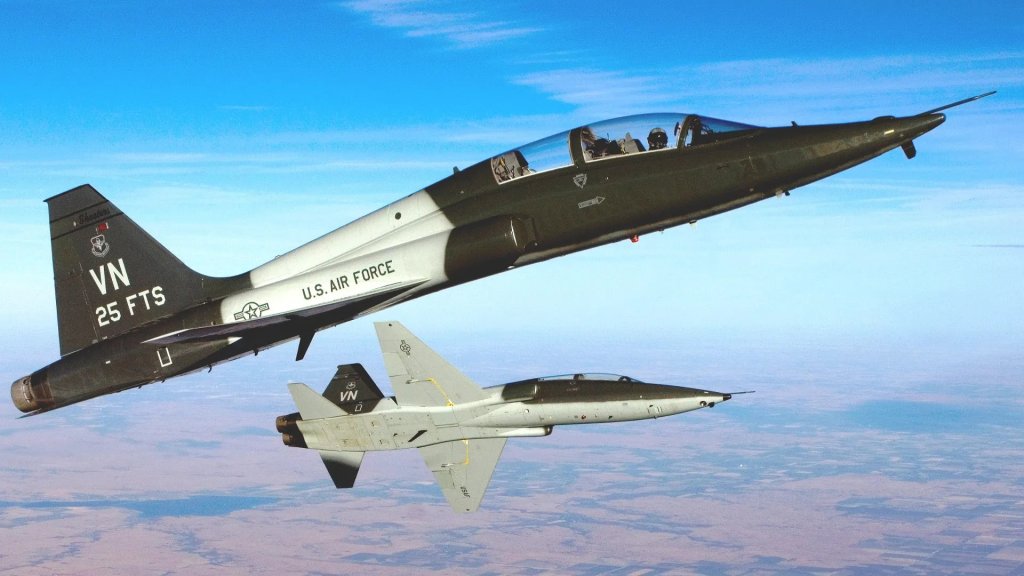
NASA has started the formal process of exploring what could replace one of the most recognizable aircraft in its astronaut-training fleet: the T-38 Talon. A new contracting notice from the Johnson Space Center signals that the agency is now surveying industry for modern high-performance jet aircraft that could support spaceflight readiness training after the Talon ages out of practical service.
The move is not a sudden retirement announcement, but it is a clear marker that NASA sees a transition coming. The T-38 has been part of astronaut operations since the 1960s, serving both as a training platform and as a chase aircraft. That longevity is part of the aircraft’s legacy, but it is also the root of the current problem. NASA’s fleet is old, supportability is already becoming harder, and the wider ecosystem that helps keep the jets flying is set to change further as the U.S. Air Force phases out its own T-38 inventory.
According to the notice, NASA is seeking information on availability, capability, schedule, sustainment models, and cost effectiveness for aircraft that could meet astronaut spaceflight readiness training requirements. In other words, the agency is not simply shopping for a newer jet. It is trying to understand whether there is a realistic, supportable, and affordable path to replacing a specialized fleet that has been embedded in astronaut culture and operations for decades.
Why the T-38 matters to NASA
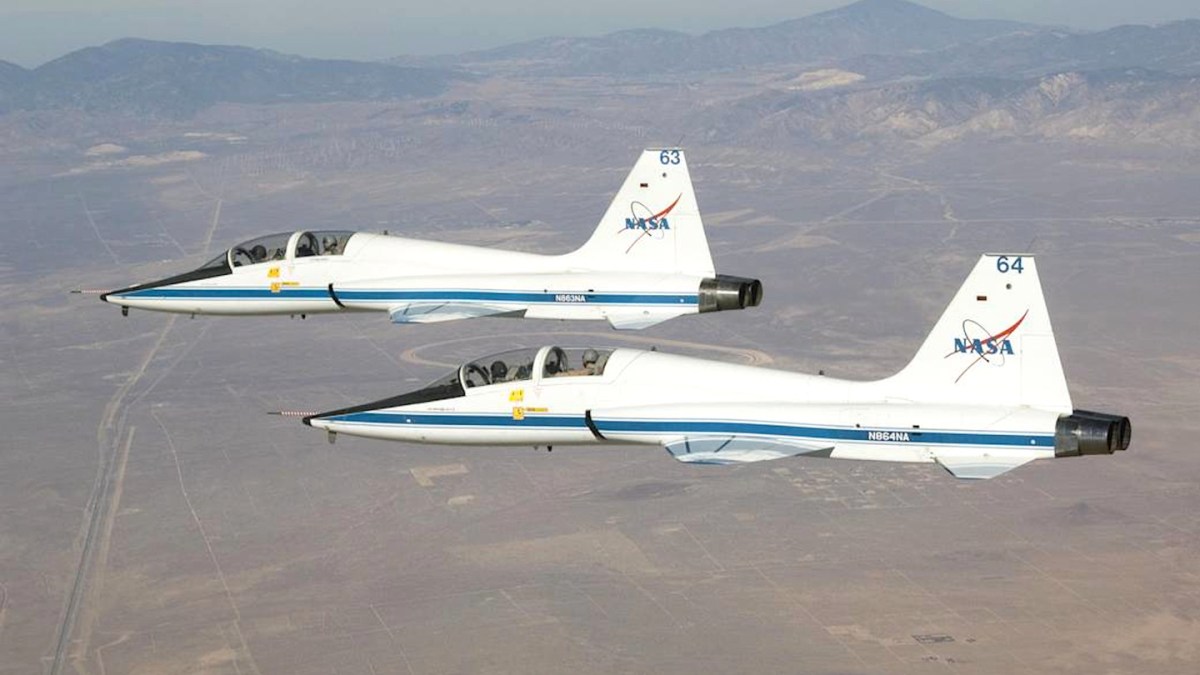
The T-38 has long occupied a role that extends beyond basic pilot proficiency. For NASA, the aircraft is tied to astronaut readiness, discipline, and operational tempo. The agency’s T-38Ns are used to support Spaceflight Readiness Training, a program that helps astronauts maintain performance in high-workload, high-speed environments. They have also served as chase aircraft, giving NASA a flexible, proven platform around flight-test and mission-related activities.
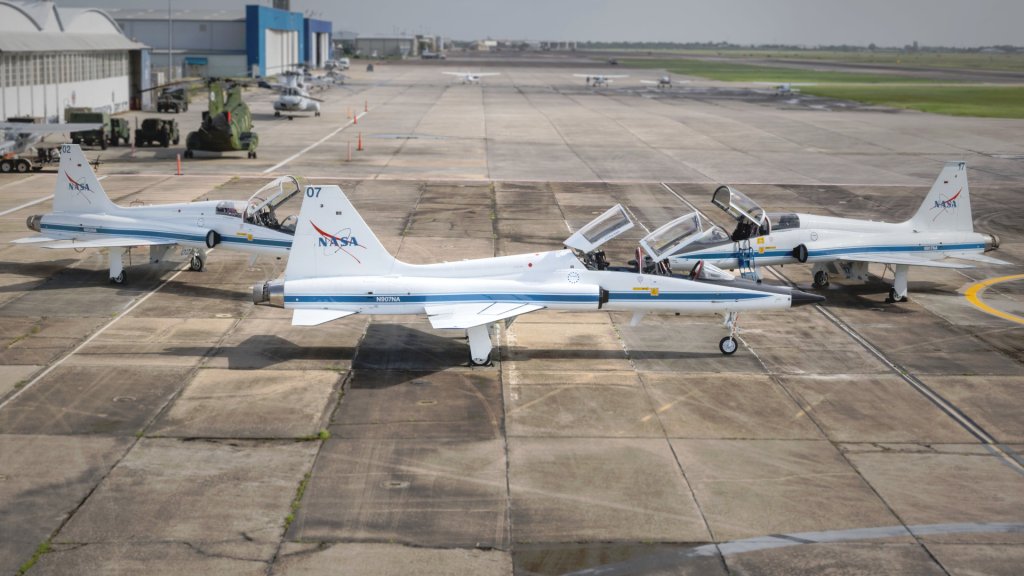
NASA currently has 25 Talons in its inventory, according to the Federal Aviation Administration database cited in the report. Those aircraft are not identical to the Air Force’s variants. The T-38N is a NASA-specific configuration, distinct from the T-38A, B, and C models operated elsewhere. Over time, NASA’s jets have received upgrades, including modern glass cockpits with digital displays. Even so, modernization has limits when the underlying airframes and support chain belong to an older generation of hardware.
The issue is not only age. It is the interaction between age and ecosystem. NASA can continue upgrading displays, communications, and navigation equipment, but if the industrial and military base that sustains the T-38 shrinks, operating the type becomes progressively more difficult. That challenge becomes sharper as the Air Force transitions to the T-7A Red Hawk and plans to retire its T-38 fleet in the 2030 to 2035 timeframe.
A market survey with strategic implications
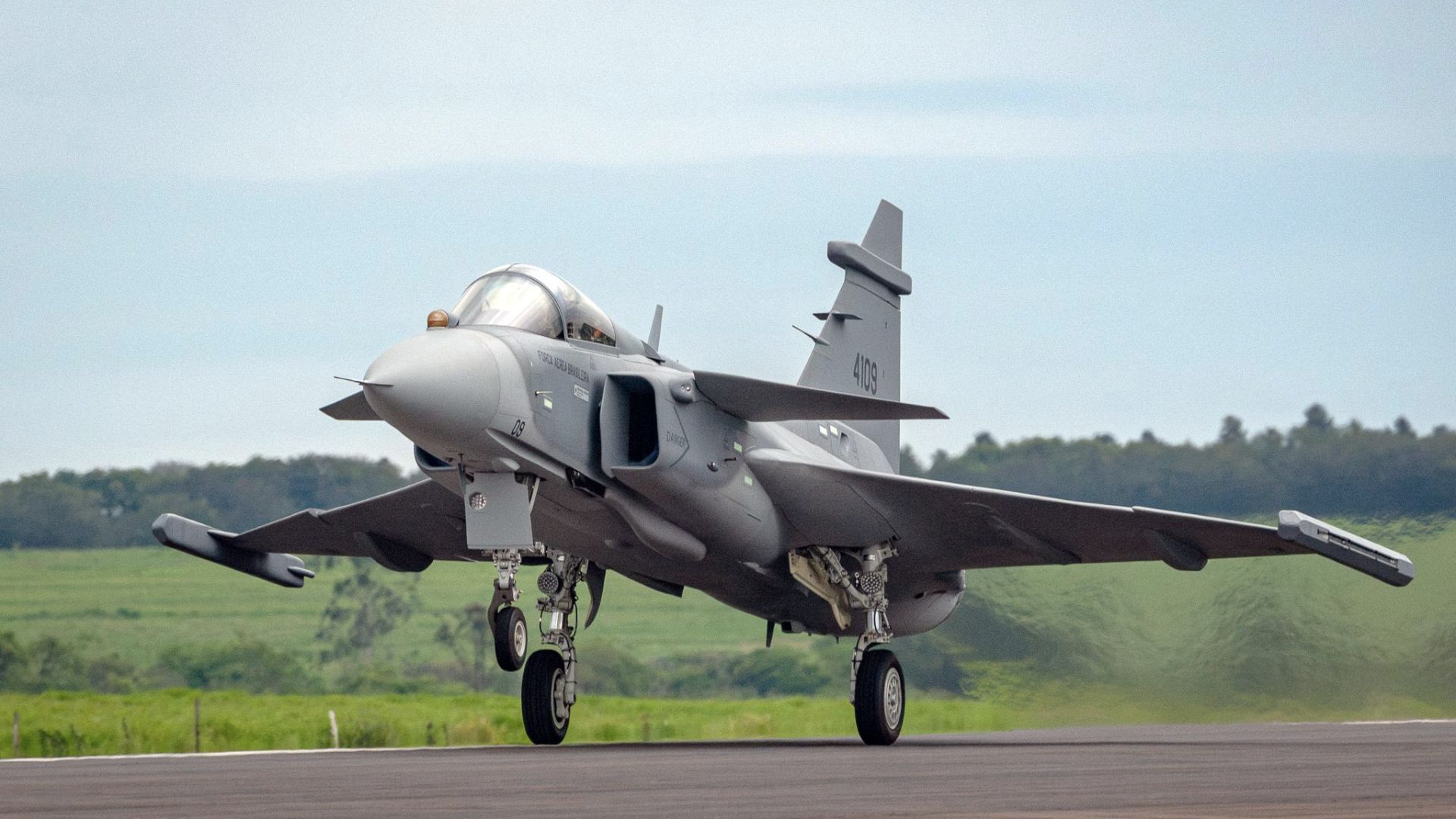
The contracting notice is framed as market research, which means NASA is still gathering options rather than narrowing toward a single aircraft. That early stage matters. It gives the agency room to evaluate whether an existing trainer, a modified off-the-shelf platform, or another high-performance jet could meet its needs without creating a new sustainment headache of its own.
The wording in the notice suggests NASA is looking well beyond headline performance. Availability and capability are obvious starting points, but schedule and sustainment models may prove just as important. An aircraft that performs well on paper but comes with a weak support network, limited production outlook, or expensive maintenance burden would recreate many of the same issues NASA is trying to avoid.
Cost effectiveness is another notable element. NASA is not a military service building a large training pipeline; it operates a comparatively small fleet for highly specific missions. That means acquisition and life-cycle economics look different than they do for a larger defense buyer. The agency needs enough performance to preserve the value of astronaut readiness training, but it also needs an aircraft that makes sense for a niche fleet.
What NASA is really trying to preserve
At one level, this is a straightforward fleet-replacement story. At another, it is about preserving a training concept. NASA’s use of high-performance jets reflects the belief that astronauts benefit from operating in demanding aviation environments that reinforce crew coordination, situational awareness, decision-making, and workload management. Replacing the T-38 therefore means protecting that function, not just swapping one aircraft for another.
That helps explain why the agency is starting early. If the Air Force’s retirement window runs into the first half of the 2030s, NASA has a limited but meaningful span to identify options, understand costs, and plan a transition that does not disrupt astronaut readiness. Waiting too long would raise the risk of being forced into a compressed procurement and integration timeline.
The broader aerospace signal
NASA’s search also says something about the changing state of legacy aerospace fleets. Platforms that survive for decades often do so because they are adaptable, familiar, and deeply woven into institutional practice. But once the surrounding support structure starts to disappear, even successful aircraft become harder to justify. The T-38’s future at NASA is now being shaped as much by external retirement trends as by the jet’s own history inside the agency.
For industry, the opportunity is modest in volume but significant in visibility. Any company that can offer NASA a credible path forward would not just be selling aircraft. It would be stepping into a symbolic role connected to astronaut training, mission preparation, and one of the agency’s most enduring operational traditions.
For now, NASA has not named a preferred replacement, and the current effort remains exploratory. But the message is unmistakable: the era of the T-38 at NASA is entering its succession phase. The aircraft may still have years of service left, yet the agency is now actively preparing for the moment when keeping the Talon in the air no longer makes operational or economic sense.
- NASA is conducting market research rather than launching a final procurement.
- The agency is evaluating aircraft for astronaut spaceflight readiness training needs.
- Supportability concerns are growing as the Air Force moves toward retiring its own T-38 fleet.
- NASA’s current inventory includes 25 T-38 Talons, according to the FAA database cited in the report.
The practical question from here is not whether the T-38 has been valuable. Its decades of service answer that clearly. The question is what aircraft can carry forward the same training purpose in a fleet environment that will look very different by the 2030s. NASA has now started looking for that answer.
This article is based on reporting by twz.com. Read the original article.
Originally published on twz.com