Latvia Moves Fast After Repeated Drone Incursions
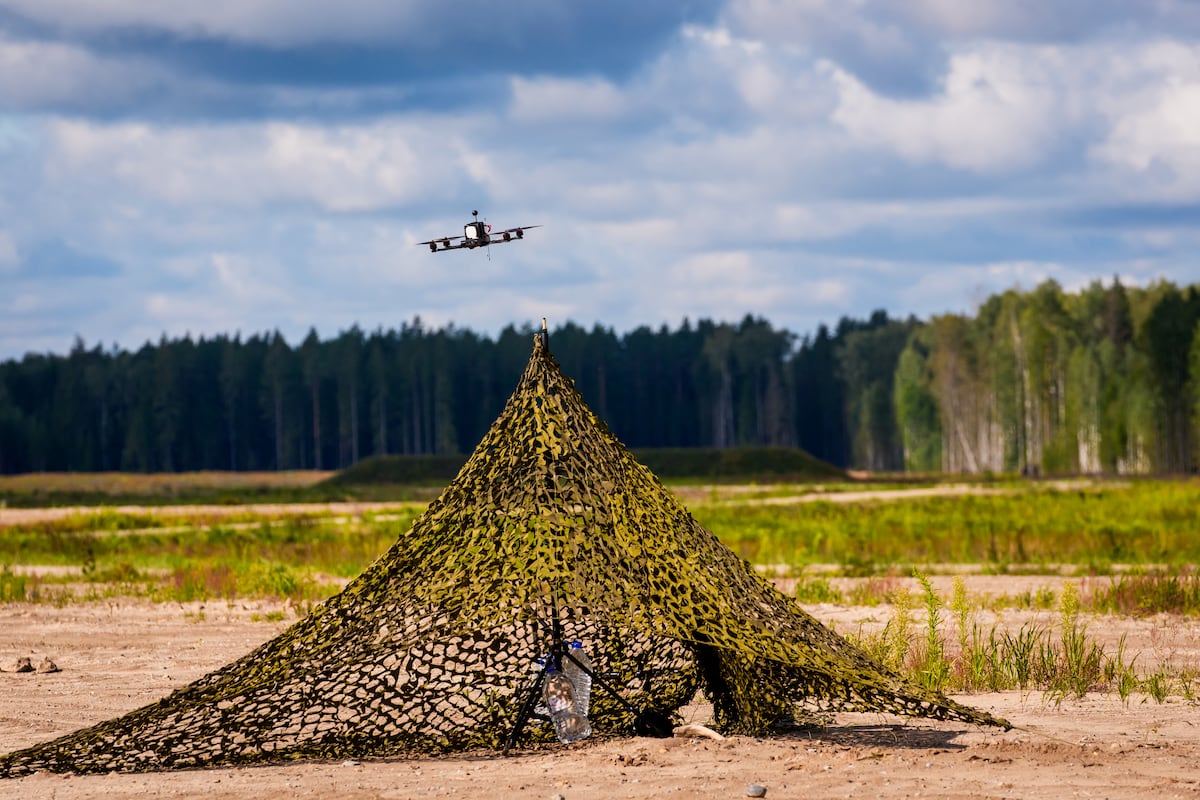
Latvia will deploy mobile drone-interceptor units to its eastern border within days, responding to what officials describe as a growing pattern of incursions from the direction of Russia. The supplied source text says the new teams will travel in 4x4 vehicles, consist of up to four soldiers, and be equipped with interceptor drones made by Latvian companies Origin Robotics and Eraser. The goal is to have the units operating by early next month.
The move reflects a broader regional problem rather than a one-off border scare. According to the report, low-altitude drone defense has become one of the most critical security gaps for Latvia, Lithuania, and Estonia as the number of incidents rises. The source text cites at least 24 drone incidents across the three Baltic states since early 2025, as counted by Novaya Gazeta Europe.
That trend forces governments to solve a hard problem quickly. Small, low-flying drones can be difficult to detect, difficult to jam consistently, and expensive to counter with traditional air-defense systems. For a country with a long border and finite manpower, the challenge is not only technical. It is also organizational and economic.
An Initial Capability, Not a Final One
Maj. Modris Kairišs, head of Latvia’s Autonomous Systems Competence Center, described the coming deployment as an initial capability. That phrasing is important because the report makes clear these teams are not expected to provide full border coverage. Latvia’s eastern border with Russia and Belarus stretches nearly 400 kilometers, and Kairišs said achieving something like Ukrainian levels of drone protection would require a huge number of personnel.
Even so, the political and social pressure to act appears intense. The source text says Latvia’s government collapsed this month after renewed incursions involving Ukrainian drones in Latvian airspace, including two crashes on May 7 and one drone that briefly entered the country before leaving again. Kairišs also said Russia is using powerful jamming to disrupt navigation of Ukrainian drones, suggesting the regional air picture is being shaped by active electronic warfare as well as geography.
The initial teams therefore serve multiple purposes at once. They provide some real interception capacity, demonstrate that the state is moving, and buy time while Latvia explores more scalable systems. In border security, that kind of transitional step is often unavoidable when the threat evolves faster than procurement cycles.
The Long-Term Goal Is Automation
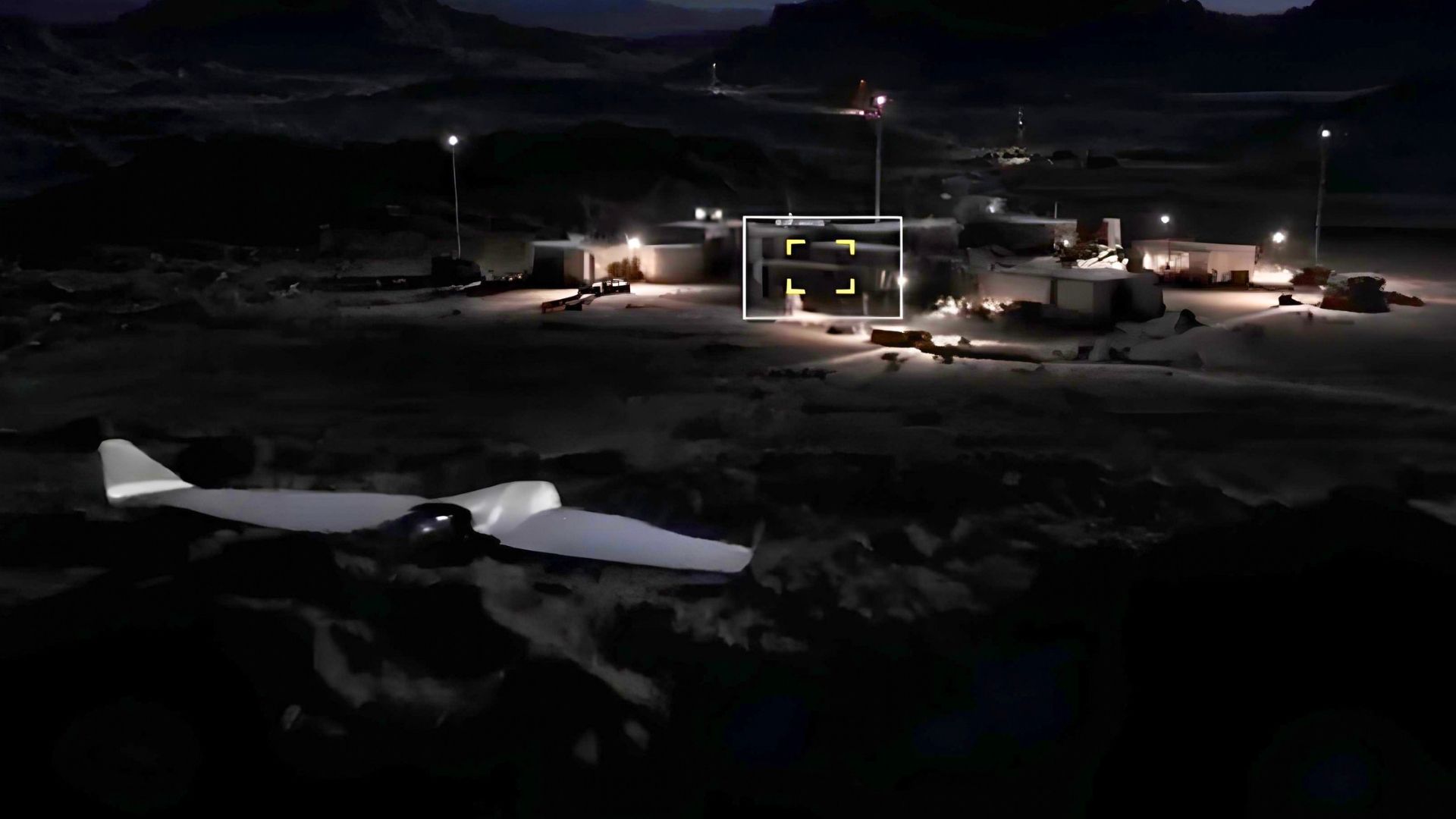
The most revealing part of the report may be the future concept Kairišs described. Rather than relying indefinitely on mobile teams, he envisions fully automatic interceptor drones stationed along the border in launch canisters and activated from a command-and-control center. Latvia is already testing what he called launch-box technologies.
That concept points to where Western border defense may be headed. Human-operated mobile teams can respond to incidents, but they do not scale easily across long frontiers, especially when budgets and recruiting are constrained. Automated or semi-automated interceptor networks promise faster response and lower personnel requirements, though they also introduce new questions about reliability, command authority, and rules of engagement.
Latvia’s planning mirrors a lesson already visible in Ukraine: drones are no longer just offensive systems or surveillance tools. They are becoming a persistent layer of airspace friction that demands dedicated defensive infrastructure. The countries closest to Russia are under pressure to adapt first because they face the most immediate exposure.
For now, Latvia’s answer is mobility and local industry. Small teams with locally built interceptor drones can be moved where needed and fielded quickly. That is a practical near-term response, even if it leaves coverage incomplete.
The larger takeaway is that Baltic air defense is being pushed downward, toward low altitudes, shorter timelines, and cheaper machines. In that contest, the side that can detect, classify, and intercept small drones quickly may gain a significant security advantage. Latvia is trying to build that capability before the next incursion forces the issue again.
This article is based on reporting by Defense News. Read the original article.
Originally published on defensenews.com