A major air-defense package for Ukraine
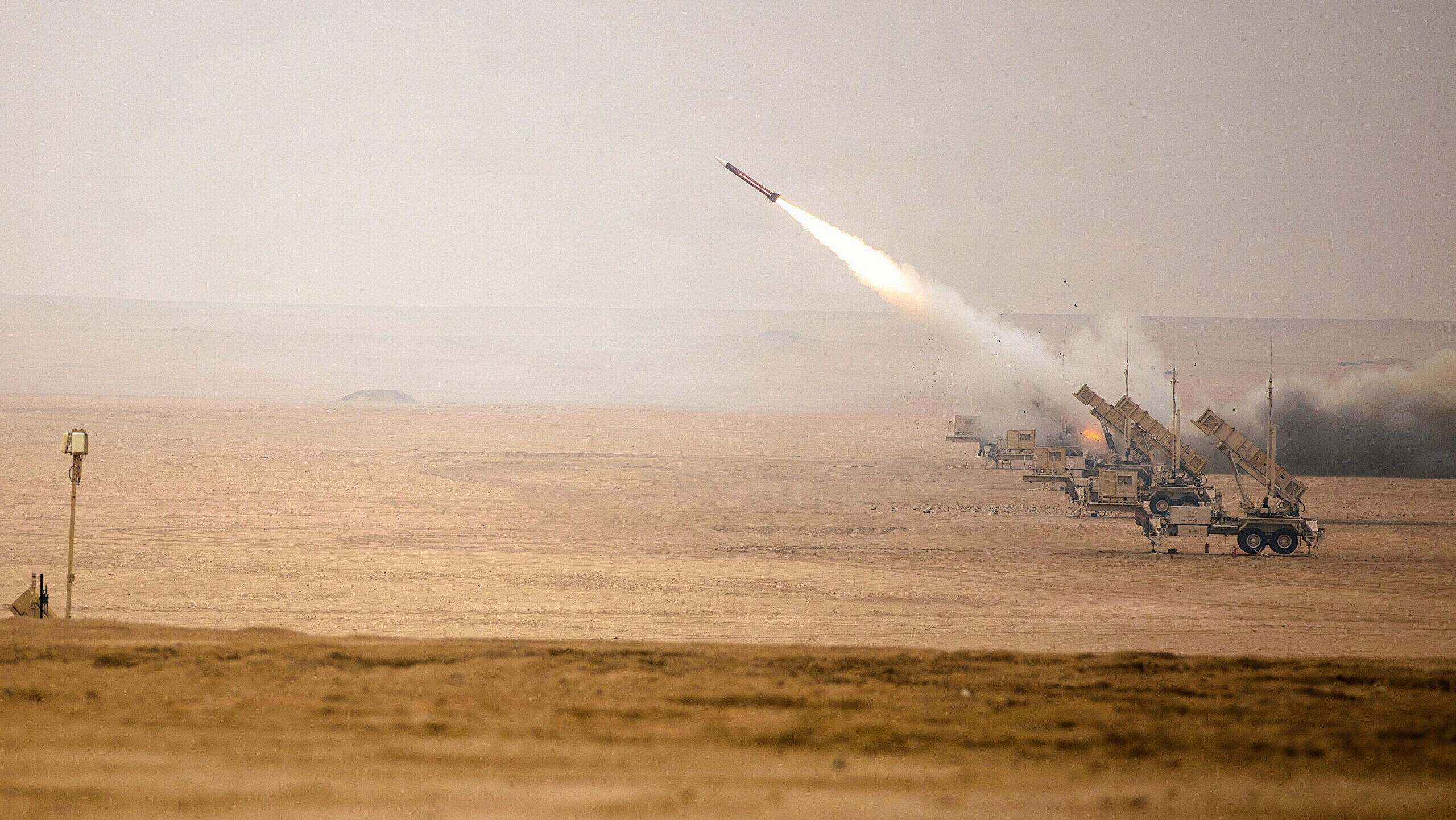
RTX subsidiary Raytheon has signed a $3.7 billion contract to supply Ukraine with Patriot Advanced Capability-2 Guidance Enhanced Missile-Tactical, or PAC-2 GEM-T, interceptors. Germany will fund the package, according to the source reporting, making the deal one of the more significant recent commitments to Ukraine’s air-defense needs as Russian strikes continue.
The announcement matters because it combines several strategic elements at once: a large contract value, direct backing from Germany, and the use of a Patriot interceptor variant intended to reinforce an existing and heavily stressed defensive mission. Ukraine has repeatedly emphasized the urgency of securing more air-defense capability, and the timing of this deal aligns with that pressure.
The reporting notes that a new GEM-T production site in Schrobenhausen, Germany, is expected to play a key role in the commercial sale. That site is to be operated by COMLOG, a joint venture between MBDA Deutschland and Raytheon. The project therefore points beyond immediate supply and toward a broader industrial arrangement in Europe tied to the sustainment of Patriot-class capability.
What is included and what is not yet known
Some core details remain undisclosed. Raytheon did not specify how many missiles Ukraine will receive or when deliveries will occur. Those omissions are significant because they leave open the practical question of how quickly this contract can change the battlefield balance in defensive terms. In air defense, timing is often as important as quantity.
Still, the German role is clear in the reporting. Berlin said it will finance the PAC-2 package and also fund supplies to Kyiv of an undisclosed number of launchers for Diehl-produced IRIS-T medium-range air-defense systems. In parallel, Germany and Ukraine reached a drone production agreement during talks in Berlin. Taken together, those steps suggest a broader pattern of support rather than an isolated procurement decision.
The deal also intersects with Ukraine’s diplomatic push. President Volodymyr Zelenskyy said Ukraine’s top diplomatic priority is cooperation for the sake of air defense and stressed the need for missiles every day as Russian attacks continue. He also argued that NATO’s Prioritised Ukraine Requirements List mechanism, which allows alliance members to fund the supply of US-made weapon systems to Kyiv, must continue operating.
Why this contract carries strategic weight
The Patriot system has become one of the most politically visible elements of Ukraine’s defensive architecture, in part because it symbolizes the fusion of Western technology, financing, and political commitment. A contract of this scale reinforces that message. It tells both allies and adversaries that air defense remains at the center of the support agenda, not a secondary line item.
The addition of a Germany-based production role is equally notable. It implies that support is not just being measured in stockpile transfers, but in industrial capacity and manufacturing geography. That matters because the sustainability of military aid increasingly depends on whether allied production can expand or adapt rather than simply draw down existing inventories.
Even without a disclosed missile count, the contract value alone indicates that this is not a marginal top-up. It is a substantial procurement decision shaped by the need to keep interceptors flowing into a high-demand operational environment. For Ukraine, the deal strengthens the argument that air defense remains one of the few areas where immediate equipment support can have a direct and visible effect on civilian protection and battlefield resilience.
The industrial and diplomatic signal
There is also a signaling dimension to the announcement. Germany’s financing role demonstrates that European governments are willing to underwrite advanced US-origin systems for Ukraine when the political case is strong enough. That has implications for how future packages may be structured, particularly when domestic production, allied funding, and multinational coordination need to move together.
The contract does not resolve the central challenge facing Ukraine’s air-defense network: demand remains intense, and neither quantity nor delivery schedule has been made public. But it does provide a concrete answer to one immediate question, which is whether partners are still willing to commit large sums to replenish and expand the missile pipeline. The answer, in this case, is yes.
For now, the Raytheon deal stands as both a practical procurement move and a strategic message. Ukraine’s backers are still treating air defense as urgent, Germany is prepared to pay for a major package, and Europe is positioning part of the industrial base to help deliver it.
This article is based on reporting by Breaking Defense. Read the original article.
Originally published on breakingdefense.com