Chinook’s next chapter is about autonomy and launched effects
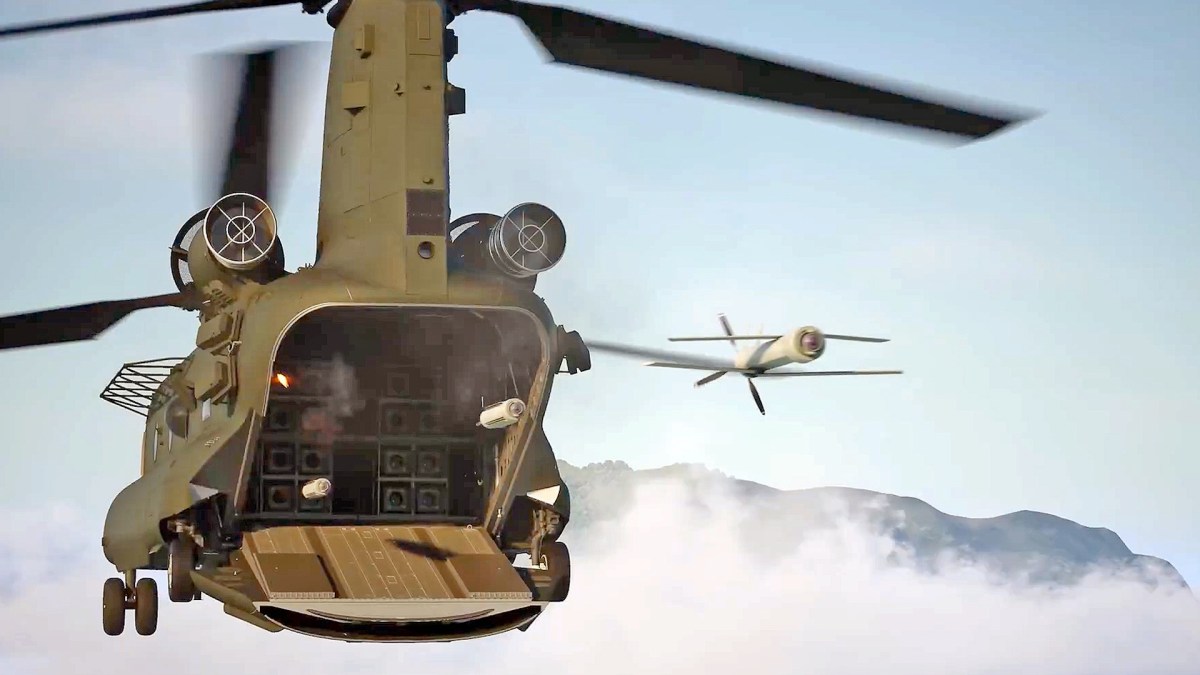
Boeing is using the CH-47 Chinook’s long service life as a platform for a new set of missions built around autonomy and networked drones. At the Army Aviation Association of America’s Warfighting Summit in Nashville, the company highlighted a future concept in which the twin-rotor helicopter launches swarms of so-called launched effects from its rear ramp and evolves toward an optionally crewed configuration.
The vision matters because the Chinook is already one of the most familiar heavy-lift helicopters in Western service. Rather than replace that relevance with an entirely new aircraft, Boeing is arguing that the airframe can absorb new roles tied to distributed sensing, electronic attack, decoys, and one-way attack drones.
Launched effects are moving deeper into aviation planning
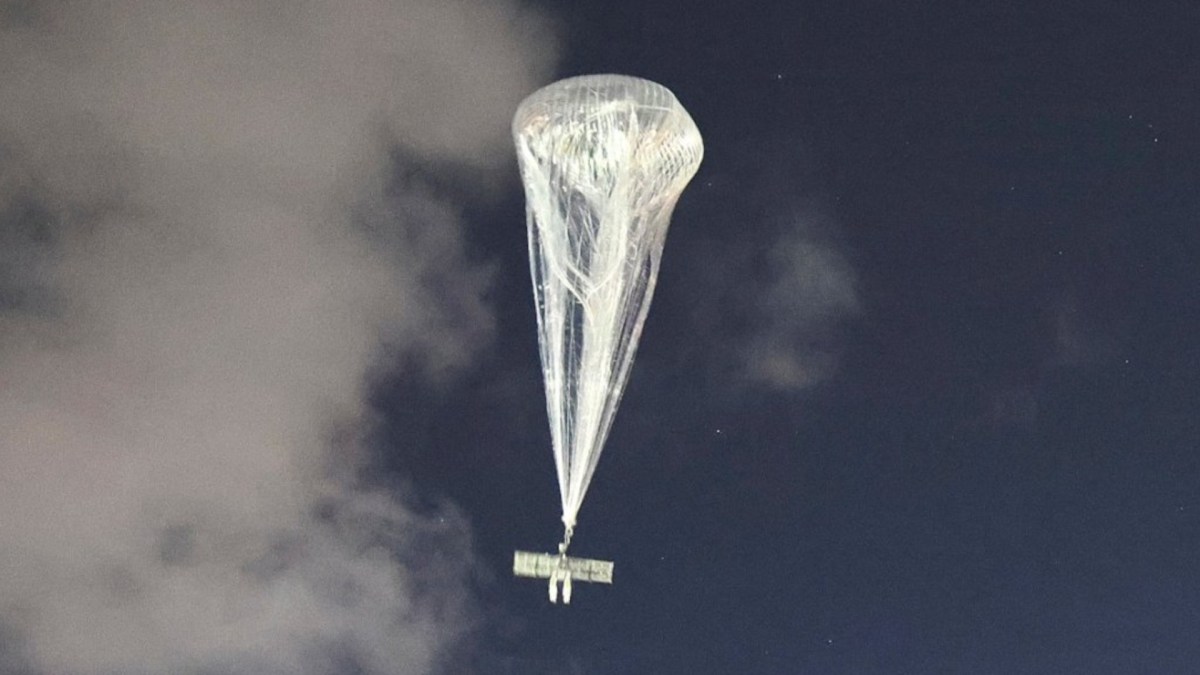
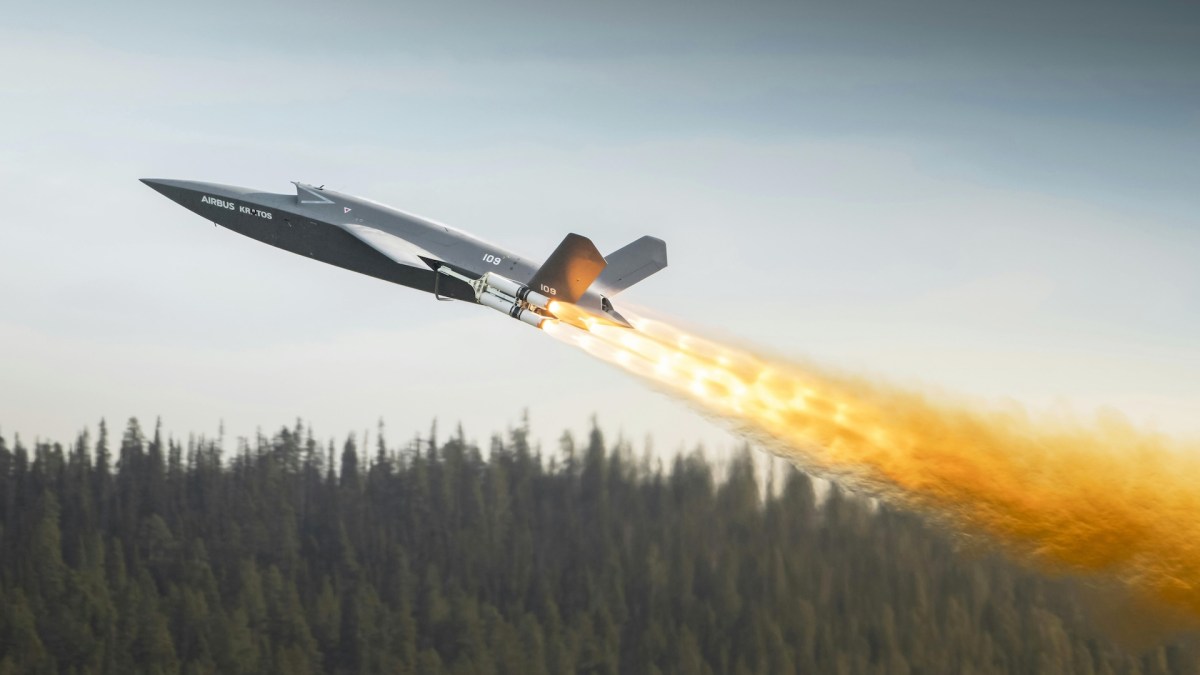
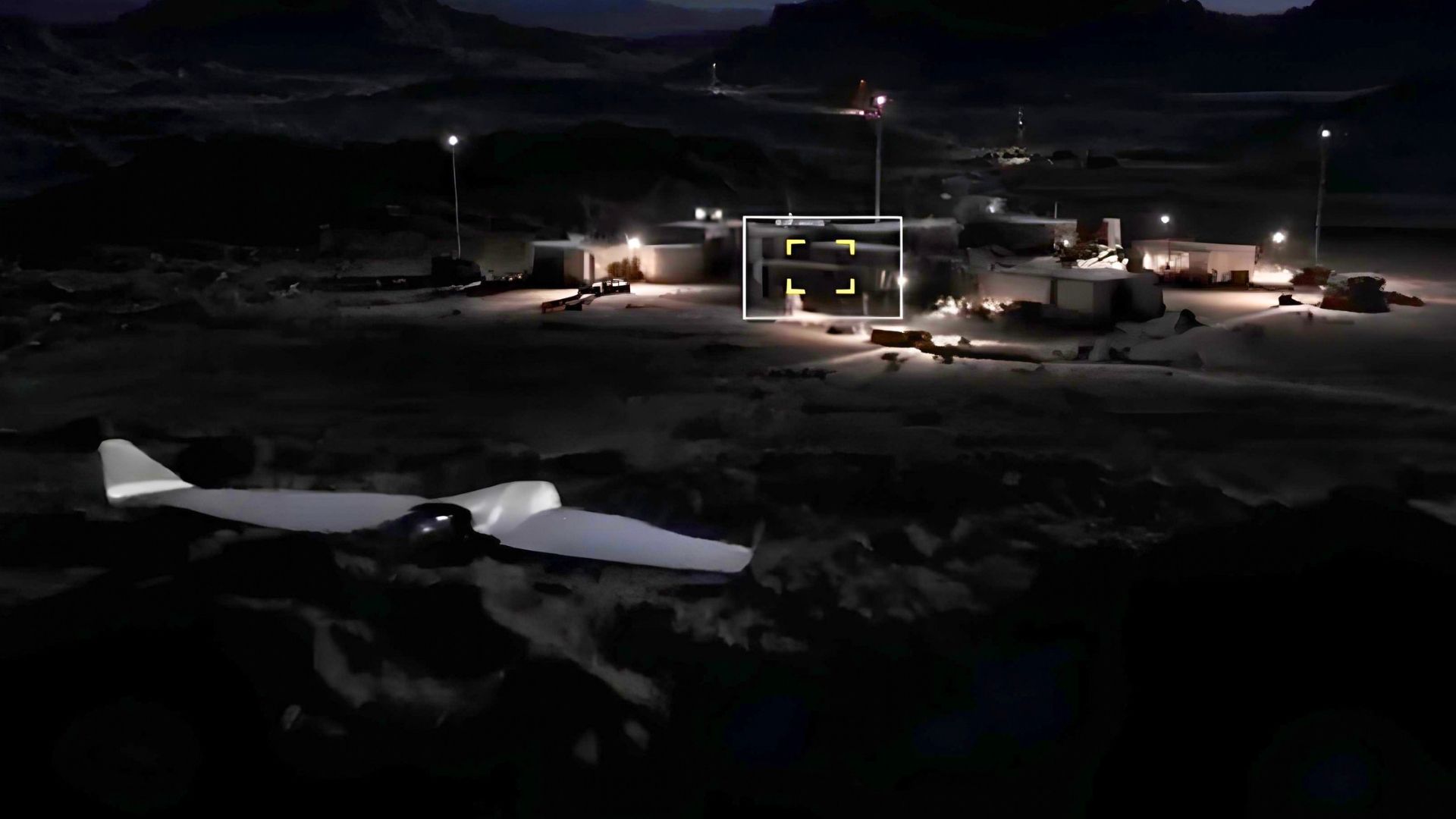
Launched effects, a term that has grown out of earlier “air-launched effects” work, refers to uncrewed systems that can act as scouts, jammers, decoys, or loitering munitions. They are designed to operate with a high degree of autonomy and, in some cases, in coordinated swarms. Boeing’s new promotional material showed these systems being deployed from the Chinook’s rear ramp, extending the helicopter’s role well beyond transport.
That concept fits a broader military shift toward distributed systems that can widen a formation’s reach without exposing crewed platforms to the same level of risk. A Chinook able to carry troops, cargo, or equipment and also release a package of drones would become a more multifunctional aircraft in contested environments.
Boeing said the launched-effects concept has not yet been tested from the Chinook itself. Still, the company is investing internal funds and looking at how quickly it could move into demonstration work depending on US Army and international interest. The fact that Boeing raised the idea publicly at a major Army event suggests it sees more than a speculative niche for the capability.
Optional-crewing points to a more radical future
The other major signal from Boeing was interest in an optionally crewed Chinook. That idea would create a very different category of vertical-lift capability: a large helicopter that could fly with a crew when required, but also move into higher-risk or more routine missions with reduced onboard human involvement.
An optionally crewed Chinook would not be a minor software update. It would imply changes in flight-control logic, mission systems, safety certification, and command-and-control doctrine. But Boeing’s decision to frame it as a path worth pursuing indicates how quickly autonomy is moving from small uncrewed aircraft into larger legacy platforms.
For operators, the attraction is clear. Heavy-lift helicopters are in constant demand for resupply, troop movement, and logistics. If some of those flights could eventually be automated or semi-automated, militaries might gain both operational flexibility and a new way to manage personnel risk.
Why this matters now
The Chinook has survived for decades because it solves a practical problem: moving large loads reliably. Boeing’s message is that future relevance will depend on adding new layers of value around that basic strength. A helicopter that can haul, network, launch drones, and potentially operate with reduced crew demands offers a stronger answer to the Army’s evolving mission set than a transport-only aircraft.
The company is also making the case at a time when many armed forces are under pressure to modernize without abandoning proven fleets. That makes upgrade pathways especially attractive. A new autonomous system designed from scratch is expensive and slow. A familiar aircraft with a new mission package can be easier to justify.
There is still a large gap between promotional video and operational deployment. Boeing acknowledged that launched effects remain untested from the Chinook, and optional-crewing is plainly a future path rather than a fielded capability. Even so, the announcement is significant because it shows where one of the US defense industry’s biggest rotorcraft makers thinks demand is heading.
The Chinook’s airframe may be old, but Boeing’s pitch is not about nostalgia. It is about turning a known platform into a node for uncrewed systems, autonomy, and distributed battlefield effects. If that transition works, the aircraft’s future could look very different from its past while still relying on the same unmistakable two-rotor silhouette.
- Boeing says a future Chinook could launch swarms of launched-effects drones.
- The company is also identifying growing interest in an optionally crewed version.
- The concept extends the helicopter from transport into autonomy and networked warfare roles.
This article is based on reporting by twz.com. Read the original article.
Originally published on twz.com