Europe shifts its defense R&D toward cheaper, faster battlefield systems
The European Commission has unveiled the results of its 2025 European Defence Fund call, selecting 57 collaborative research and development projects for a combined €1.07 billion in funding. The package is notable not just for its size, but for what it says about Europe’s military priorities after more than two years of trying to absorb lessons from the war in Ukraine.
According to the source text, €675 million will support 32 capability development projects and €332 million will fund 25 research initiatives. The selected work involves 634 entities from 26 EU member states plus Norway. Small and medium-sized enterprises make up more than 38% of participants and will receive more than 21% of the total funding, indicating that Brussels is trying to widen participation beyond established prime contractors.
Drones and loitering munitions take center stage
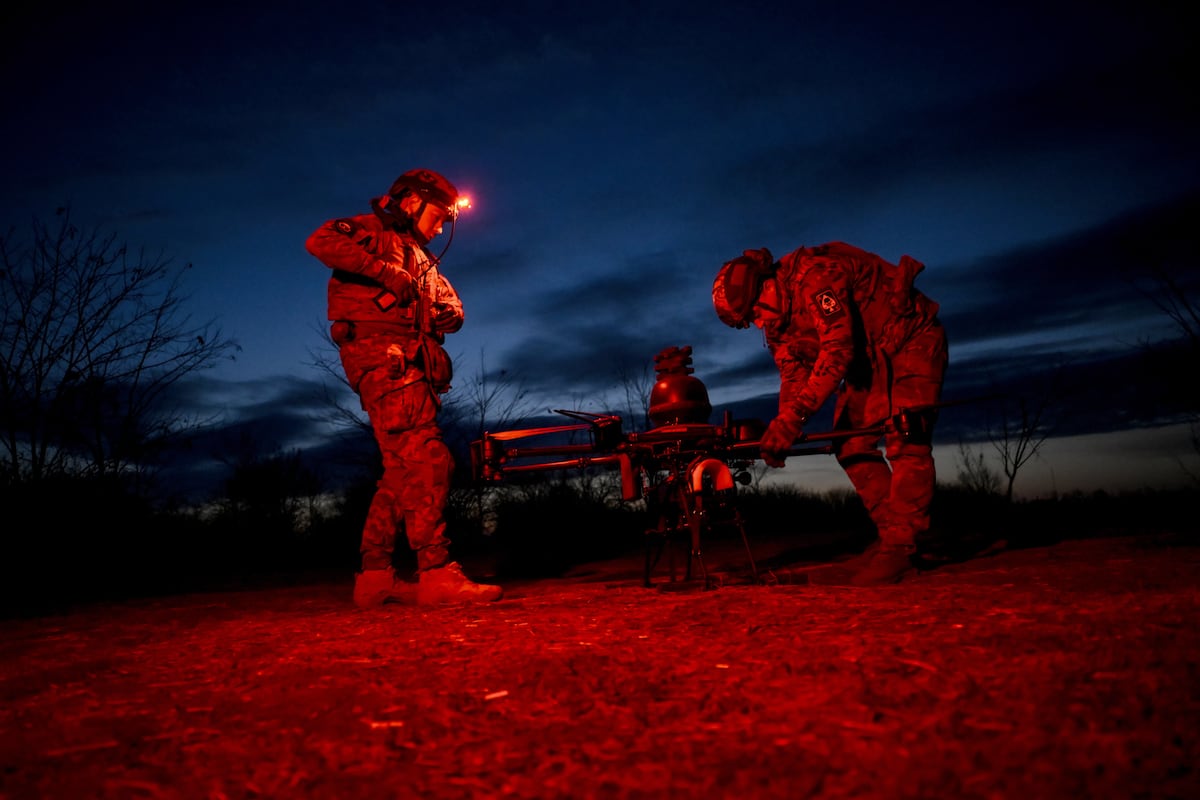
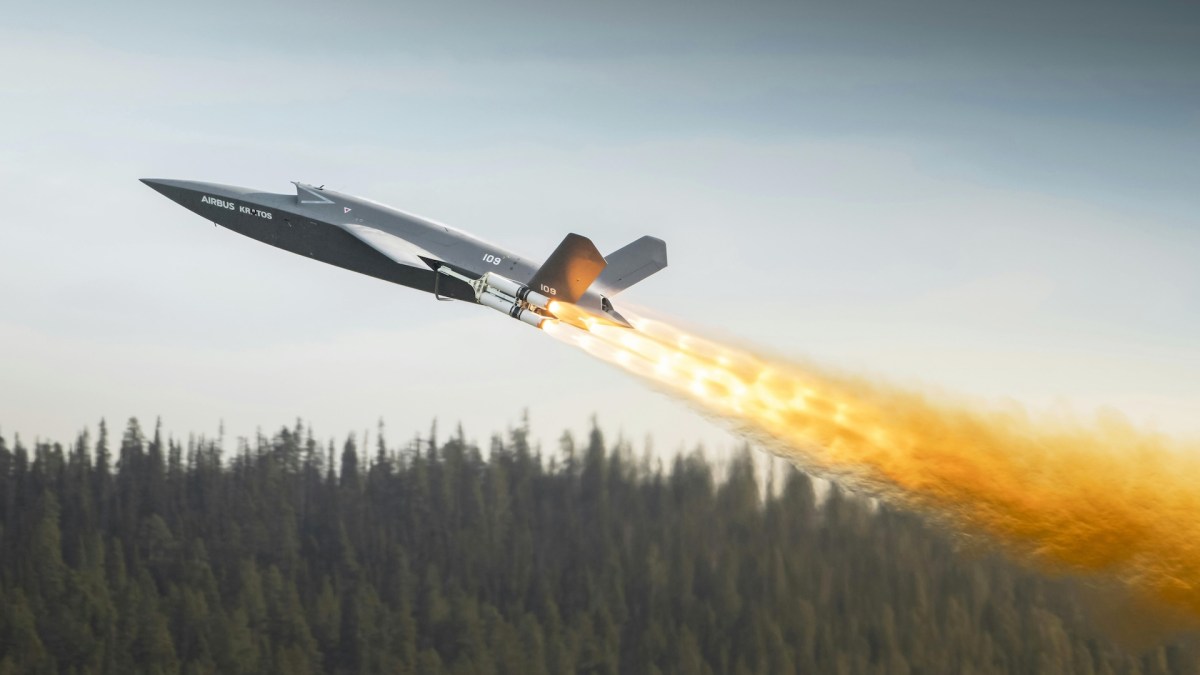
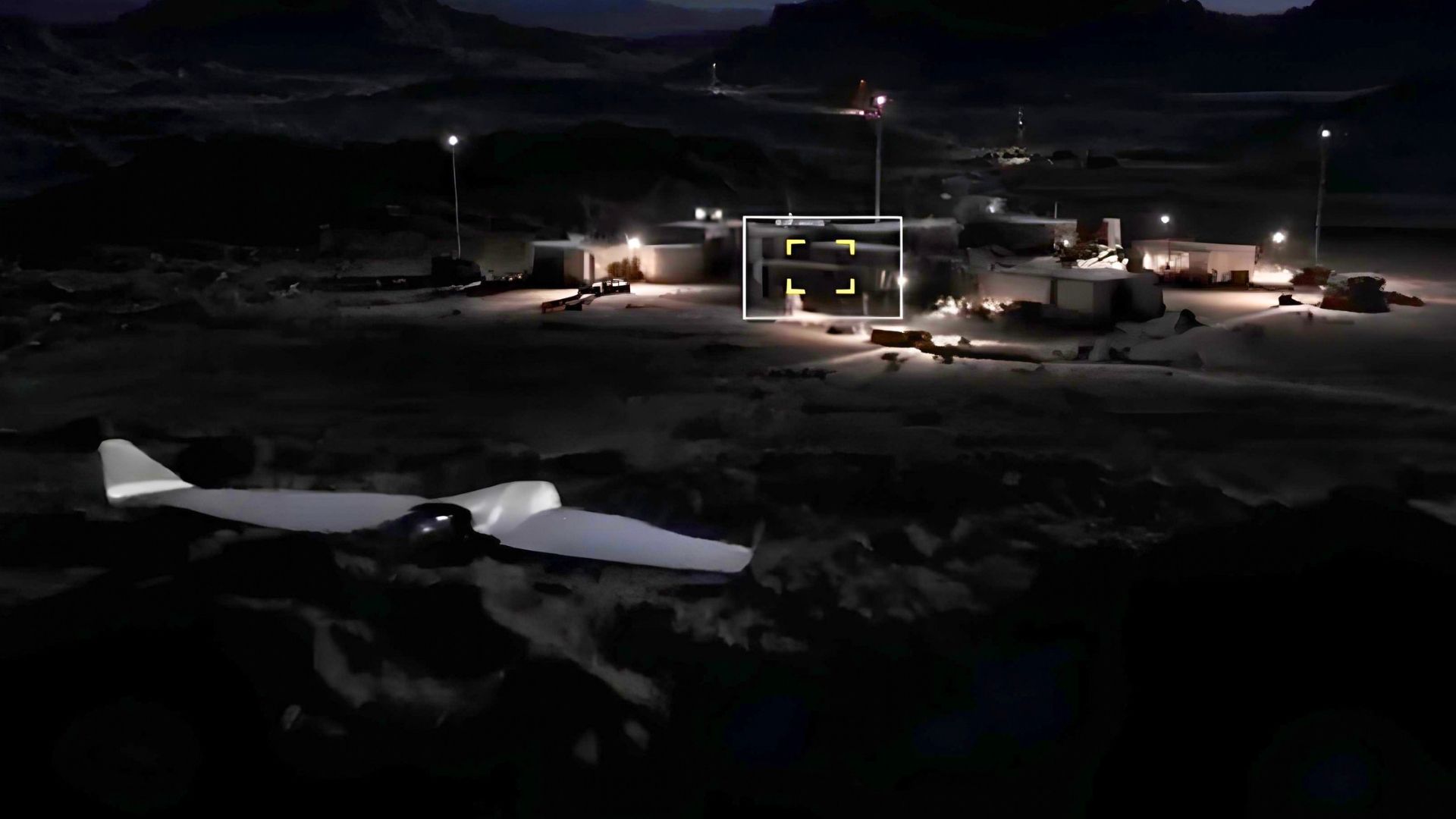
The clearest signal in the funding round is the concentration on drone warfare and affordable mass production. The source text identifies at least four projects focused specifically on loitering munitions and scalable drone manufacturing: EURODAMM, LUMINA, SKYRAPTOR, and TALON.
That emphasis reflects a practical conclusion drawn from Ukraine: cheap, expendable strike systems have reshaped modern combat faster than many European defense industries were prepared for. Precision no longer belongs only to expensive platforms. Large numbers, rapid iteration, and replaceable systems now matter more, which is pushing defense planners to rethink what readiness looks like.
The package also shows that Europe is trying to move beyond one-off procurement logic. Funding R&D into these categories suggests a desire to build production capacity, technical depth, and industrial resilience around capabilities that can be fielded in volume.
Ukraine is being brought into the architecture
Another important change is institutional. For the first time, Ukrainian entities are eligible to participate in European Defence Fund projects as subcontractors and third-party recipients. The source text frames this as a significant step toward integrating Ukraine’s defense-technological and industrial base into the European ecosystem.
That matters because Ukraine is not being treated only as a future customer or a strategic cause. It is being used as a source of battlefield knowledge. The Commission explicitly points to the value of direct war experience, and one project, STRATUS, will develop an AI-powered cyber defense system for drone swarms with a Ukrainian subcontractor involved.
This arrangement gives Europe something it lacks domestically: immediate operational feedback from a high-intensity conflict in which drones, electronic warfare, cyber pressure, and contested logistics are all shaping outcomes in real time. Instead of waiting for postwar doctrine reviews, Brussels is trying to feed those lessons directly into funded development programs now.
Readiness over symbolism
More than 15 of the selected projects are tied to the Commission’s four European Readiness Flagships, capability areas Brussels identified as essential for near-term operational readiness. One cited example is AETHER, which will develop propulsion and thermal management systems in support of the Drone Defence Initiative.
The language of the package suggests a shift in mindset. European defense funding has often been criticized for fragmentation, slow timelines, and industrial politics. This round appears more tightly aligned with urgent operational themes: autonomy, cyber defense, drone resilience, and lower-cost strike systems that can be produced at scale.
There is also an industrial policy dimension. Several mass-producible drone munitions projects will include sub-calls aimed specifically at startups and small companies. That indicates Brussels is trying to avoid locking the next generation of military capability entirely inside traditional prime-contractor structures.
What the package really signals
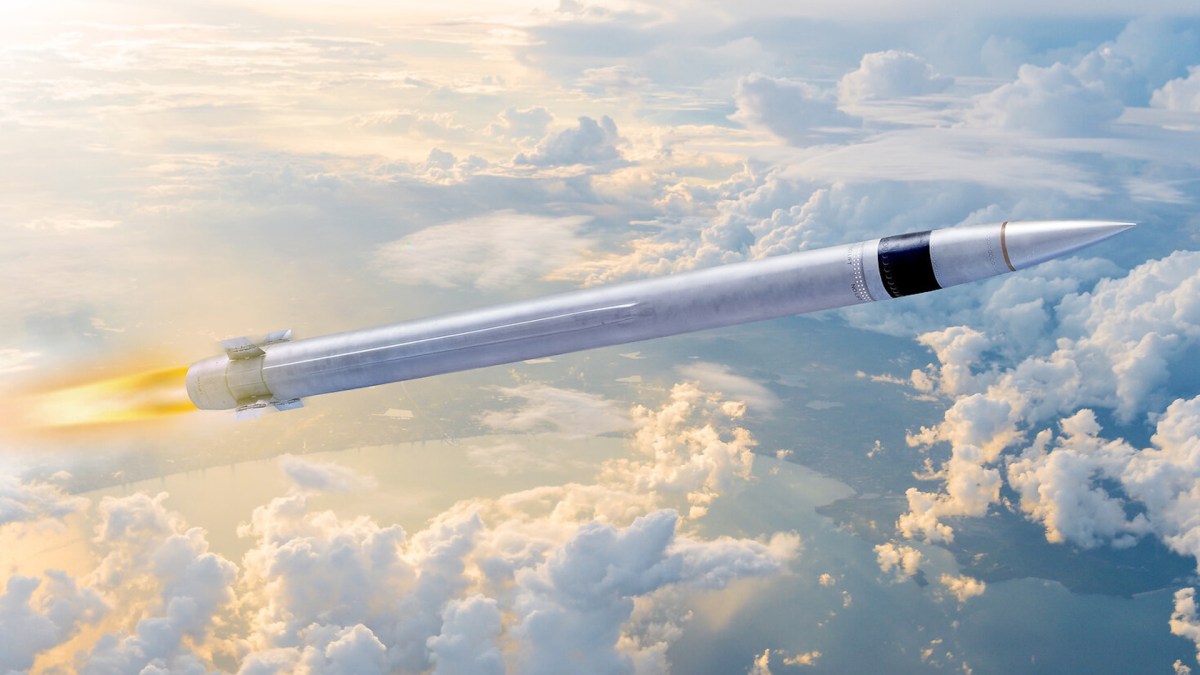
The €1.07 billion total is significant, but the larger meaning is directional. Europe is formalizing a defense innovation model shaped less by prestige platforms and more by attritable systems, autonomy, and rapid production. The war in Ukraine has made it harder to defend procurement cultures built around small fleets of exquisite assets alone.
This does not mean conventional systems are disappearing from European planning. It means the center of gravity in R&D is expanding toward the technologies that have proved decisive in contested, data-rich, drone-saturated battlefields. The chosen projects make that unmistakable.
What to watch next
Two questions now matter. The first is execution: whether these projects move quickly enough to produce fieldable capabilities rather than simply well-funded consortia. The second is integration: whether Europe can turn a long list of multinational projects into a more coherent industrial and operational base.
Still, the message from Brussels is already clear. European defense funding is being reorganized around the realities of modern war as they are being learned in Ukraine, not as they were imagined in older force-planning models. Drones, autonomy, affordable mass, and Ukrainian participation are no longer peripheral themes. They are now central to how Europe is choosing to spend its defense R&D money.
This article is based on reporting by Defense News. Read the original article.
Originally published on defensenews.com