A tightly scoped recall with outsized significance
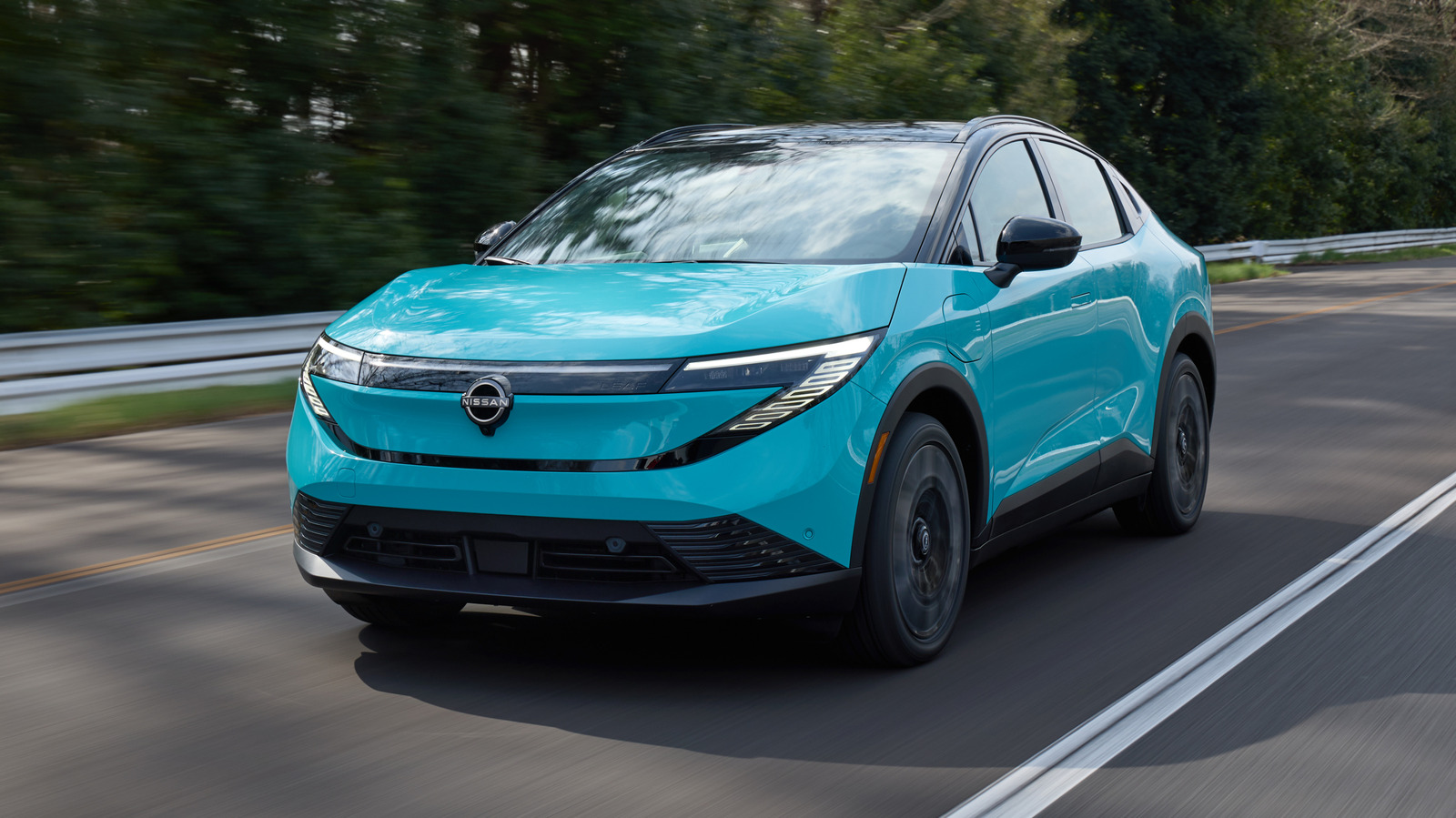
Nissan has issued a recall for 51 new Leaf electric vehicles after identifying a battery defect that can lead to spontaneous combustion, including when the vehicle is turned off and not connected to a charger. The small size of the recall does not make the underlying issue trivial. In battery safety, a defect affecting a narrow production batch can still expose a severe failure mode, and that is what makes this case important.
According to the supplied recall description, the problem traces back to damage along the edges of the battery cell cathode material during the supplier’s manufacturing process. If a damaged cathode is assembled into a cell, the torn edge can fold onto itself. That can create an internal short circuit within the battery module. In a lithium-ion pack, that kind of fault can escalate rapidly because heat from one failing cell can trigger failures in neighboring cells.
The recall covers both the standard version of the new Leaf and versions equipped with the optional heat pump. Nissan says no crashes or injuries had been reported in connection with the fires at the time of the report, but the company’s guidance underscores the seriousness of the risk: affected owners are being told to park outside and not charge the vehicle.
How Nissan identified the problem
The timeline in the supplied source text shows how quickly the investigation narrowed from an unexplained fire to a specific production defect. Nissan first became aware of the issue on February 19, 2026, when a Leaf at a dealership in Osaka, Japan, caught fire while it was outside, turned off, and unplugged. That point matters because it rules out the most familiar public assumptions about EV fires, which often center on active charging events or collision damage.
After the Osaka incident, Nissan reviewed telematics data from the burned vehicle and found electrical characteristics in one battery module that were outside the expected specification range before the fire. The company then reviewed data from other vehicles to look for similar anomalies. A second Leaf caught fire in the same way outside a Nissan dealership in the United States on March 2, broadening the concern beyond a single-market anomaly.
Nissan traced the issue to the battery pack and sent components to the supplier for further analysis. By March 10, the supplier had identified the cathode damage, determined how it could have occurred in production, and changed its manufacturing process to prevent a repeat. Nissan and the supplier then matched potentially affected battery packs to 51 vehicle identification numbers, limiting the recall to the cars believed to contain the suspect modules.

Why the details matter
This is not a broad indictment of EV safety, but it is a reminder of how exacting battery manufacturing has to be. The issue described here is not a software nuisance or a minor performance deviation. It is a physical defect at cell level that can create an internal short. That kind of failure is especially consequential because it can occur without the external triggers drivers usually watch for.
The report also shows the value of connected-vehicle diagnostics. Telematics did not prevent the first fire, but they did give investigators a way to search for abnormal electrical behavior across other vehicles. In a modern recall environment, that is increasingly important. Automakers are no longer limited to dealer anecdotes, warranty claims, or post-fire inspections; they can often compare pack behavior across fleets and isolate suspect units much faster than in earlier generations of vehicle electrification.
At the same time, the Nissan case illustrates a basic challenge for manufacturers: even when a defect is quickly understood and production is adjusted, vehicles already shipped remain exposed. That is why limited recalls can still become headline events. The number 51 is small. The consequence attached to the defect is not.
What affected owners need to know
Nissan’s interim advice is straightforward and unusually restrictive, which reflects the potential severity of the fault. Owners of recalled vehicles are being told:
- Park the car outside.
- Do not attempt to charge it.
- Bring the vehicle to a dealer for support and next steps.
The supplied text also says dealers will provide another vehicle to owners who bring in an affected Leaf. That reduces the immediate burden on customers, but it does not erase the disruption. A recall tied to fire risk changes how and where a vehicle can be used, and it can undermine confidence even when the number of affected units is low.

A broader lesson for the EV industry
The Leaf recall lands at a time when EV scrutiny remains intense and often imprecise. Public debate tends to collapse battery incidents into a single category, even though the causes can vary widely. The source text itself notes that EV fires are typically associated with charging issues or battery damage. This case is different. Here, the concern is a manufacturing defect inside the battery cell that can initiate a short circuit on its own.
That distinction matters because it points to where safety work has to keep improving: production controls, traceability, and early anomaly detection. Nissan and its supplier appear to have narrowed the defective population quickly and changed the process after identifying the cause. But the episode is a reminder that EV safety is not only about chemistry choice, thermal management, or charging infrastructure. It is also about precision on the factory floor and the ability to detect when something small has gone wrong before it turns into a fire.
For consumers, the headline is simple: the recall is limited, but the risk is real. For the industry, the lesson is more durable. In advanced battery systems, microscopic production damage can create macroscopic consequences, and containing that risk depends on speed, data, and manufacturing discipline.
This article is based on reporting by Jalopnik. Read the original article.
Originally published on jalopnik.com