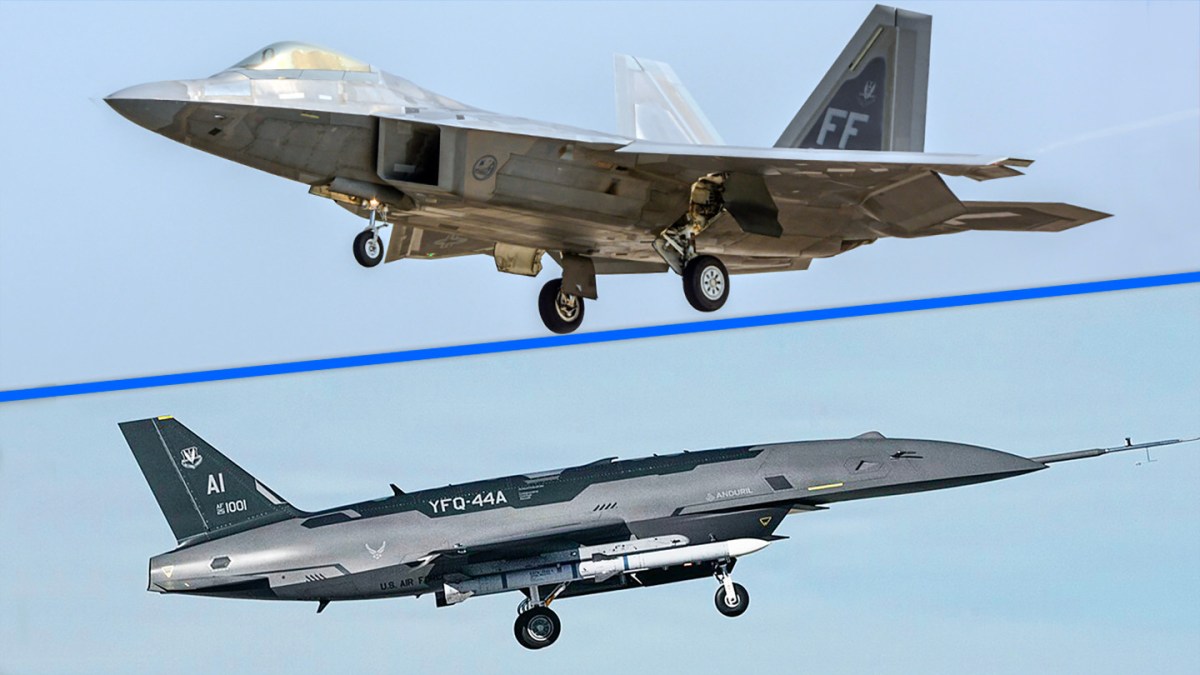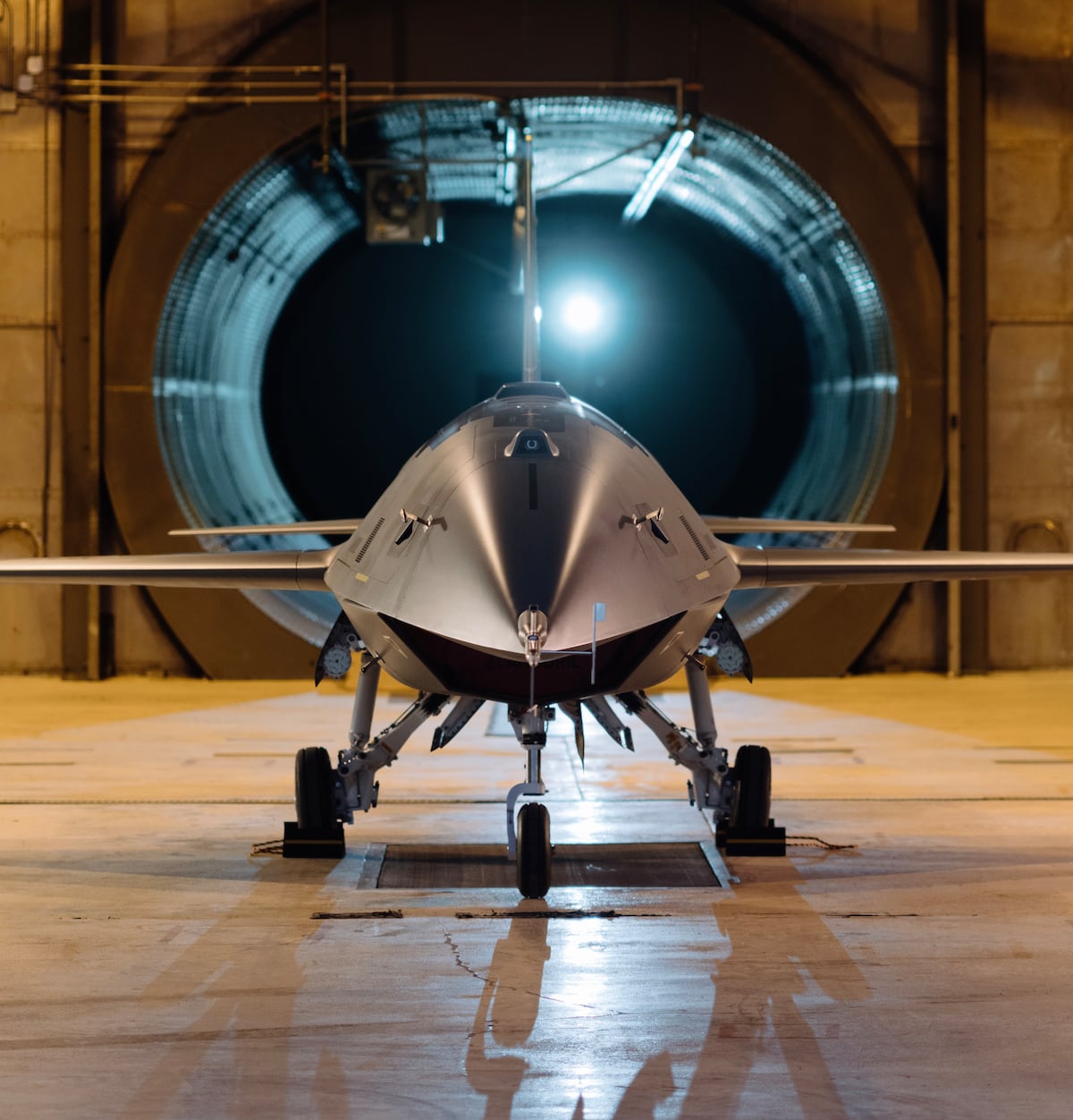
The Air Force is crossing from prototype programs to planned fleet purchases
The U.S. Air Force’s fiscal 2027 budget request marks a turning point for Collaborative Combat Aircraft, or CCA. For the first time, the service is seeking procurement funding, not just research dollars, for the semi-autonomous aircraft it wants to fly alongside crewed fighters.
The request includes $996.5 million to begin buying Increment 1 aircraft, plus another $150 million in advance procurement for fiscal 2028. Together with about $1.37 billion in research and development, the total program ask reaches roughly $2.37 billion. That makes CCA more than a concept demonstration. It becomes a real acquisition program with industrial, basing, training, and force-structure consequences.
Why the budget line matters
Defense programs often spend years in experimentation without ever becoming embedded in the procurement accounts that drive long-term fleet decisions. The new CCA line is different. It is the clearest signal yet that the Air Force expects these aircraft to become a permanent part of future combat aviation.
That matters because CCA is intended to solve a specific operational problem: crewed fighters alone are expensive, finite, and too few to generate the scale needed for a high-end conflict against a peer adversary. The Air Force’s answer is to pair human pilots with jet-powered, semi-autonomous aircraft that can absorb risk, carry sensors or weapons, and extend the reach of manned formations.
In this model, the pilot in an F-35, F-22, or future F-47 remains the mission commander, while the uncrewed aircraft handle navigation, maneuver, sensor fusion, and weapons employment with onboard autonomy.
What Increment 1 is meant to do
Increment 1 is expected to focus mainly on air-to-air and strike missions. Later increments are planned to expand into electronic warfare and intelligence, surveillance, and reconnaissance roles. The Air Force has previously indicated it could buy 100 to 150 aircraft in the first increment, part of a larger long-term ambition that could eventually reach into the hundreds or low thousands.
The scale is central to the concept. CCAs are supposed to be affordable enough to lose in combat, capable enough to contribute meaningfully, and numerous enough to reshape how the Air Force thinks about combat mass. That is a significant break from the traditional fighter model, where every aircraft is so costly and so scarce that risk tolerance becomes constrained almost by default.
The service has floated a notional construct in which each crewed fighter controls two CCAs, though testing and simulation reportedly suggest a pilot may be able to manage three to five.
The procurement decision creates new pressure points
Once money is requested for initial buys, practical questions move to the foreground. The Air Force still has key decisions to make about where these aircraft will be based, who will maintain them, how pilots and maintainers will be trained, and how the systems will be integrated into existing fighter organizations.
Those are not administrative side notes. They will shape whether CCA becomes an operational advantage or a promising capability trapped in organizational friction. An aircraft can perform well in tests and still struggle if logistics, tactics, command relationships, and sustainment concepts are unresolved.
The budget request therefore commits more than funding. It commits the service, Congress, and industry to working through the institutional changes needed to make autonomous combat aviation routine rather than exceptional.
Why this matters beyond one program
The CCA request also says something broader about how the Air Force sees future warfare. The program reflects an assumption that survivability and scale will increasingly depend on teams of dissimilar platforms rather than on a small number of exquisite crewed aircraft operating alone.
That logic aligns with Pacific planning, where long distances, contested airspace, and the need to complicate enemy targeting all favor larger, more distributed formations. It also helps explain why the Air Force is already thinking beyond Increment 1. Defense News reported that nine vendors are under contract for Increment 2 prototypes and that wargaming favors larger numbers of lower-cost aircraft.
If that assessment holds, the first procurement dollars are only the start of a deeper shift in combat aviation design, acquisition, and doctrine.
What comes next
Congress still has to approve the budget. Program milestones, vendor performance, autonomy reliability, and affordability will all shape how quickly CCA moves from planned purchases to operational squadrons. But the direction is now harder to dismiss.
For years, loyal wingman concepts were easy to describe in presentations and easy to delay in practice. The fiscal 2027 request changes that. By seeking nearly $1 billion for initial procurement, the Air Force is signaling that semi-autonomous combat aircraft are no longer a speculative add-on. They are being built into the force the service expects to fight with.
The remaining challenge is execution. The Air Force has made its strategic bet. Now it has to prove it can field the organization, training, and production base required to make that bet operationally credible.
This article is based on reporting by Defense News. Read the original article.
Originally published on defensenews.com