Global EV demand remained high in May

Global electric vehicle sales reached 1.8 million units in May 2026, according to new data from Benchmark Mineral Intelligence cited by Electrek. That brought total EV sales for the first five months of the year to 7.5 million vehicles, a sizable early-year base that points to continued momentum in the sector.

The headline figure matters on its own, but the regional detail in the report is what stands out most. Europe is described as racing ahead, suggesting that one of the world’s most closely watched EV markets is now contributing more forcefully to overall demand growth.

That is an important signal for an industry that has faced repeated questions about whether adoption would slow after early incentives faded and price competition intensified. The May result indicates that, at least in aggregate, global demand is still expanding at large scale.

Why Europe’s acceleration matters

When Europe leads, the impact extends beyond regional registration numbers. European growth affects automaker strategy, battery planning, charging investment, and policy expectations across multiple markets. If the region is now outpacing others, manufacturers will have stronger reason to prioritize product availability, pricing decisions, and compliance pathways there.

The phrase “races ahead” also implies widening relative performance, not just steady participation. That can influence how investors and suppliers judge the next stage of the EV market. A faster European market may pull forward factory utilization decisions and increase pressure on lagging regions to respond with either stronger policy support or more competitive vehicle offerings.

Even without a full country-by-country breakdown in the supplied source material, the May total and year-to-date figure show that EV demand is no longer a niche trend. Selling 7.5 million electric vehicles in five months places the technology firmly in mass-market territory.

A scale story as much as a technology story

At this point in the EV transition, monthly sales milestones matter because they reveal the pace at which electrification is becoming normal rather than exceptional. An industry selling 1.8 million EVs in a single month is operating at a scale that forces the rest of the transportation and energy system to adjust around it.

That includes battery raw materials, charging networks, grid planning, after-sales service, and manufacturing footprints. Each additional month of strong sales makes the transition harder to reverse because more capital, infrastructure, and consumer familiarity are already in motion.

The Benchmark data therefore points to more than a strong month. It suggests that 2026 is continuing to build cumulative EV volume rapidly, and that Europe is playing a leading role in that process.

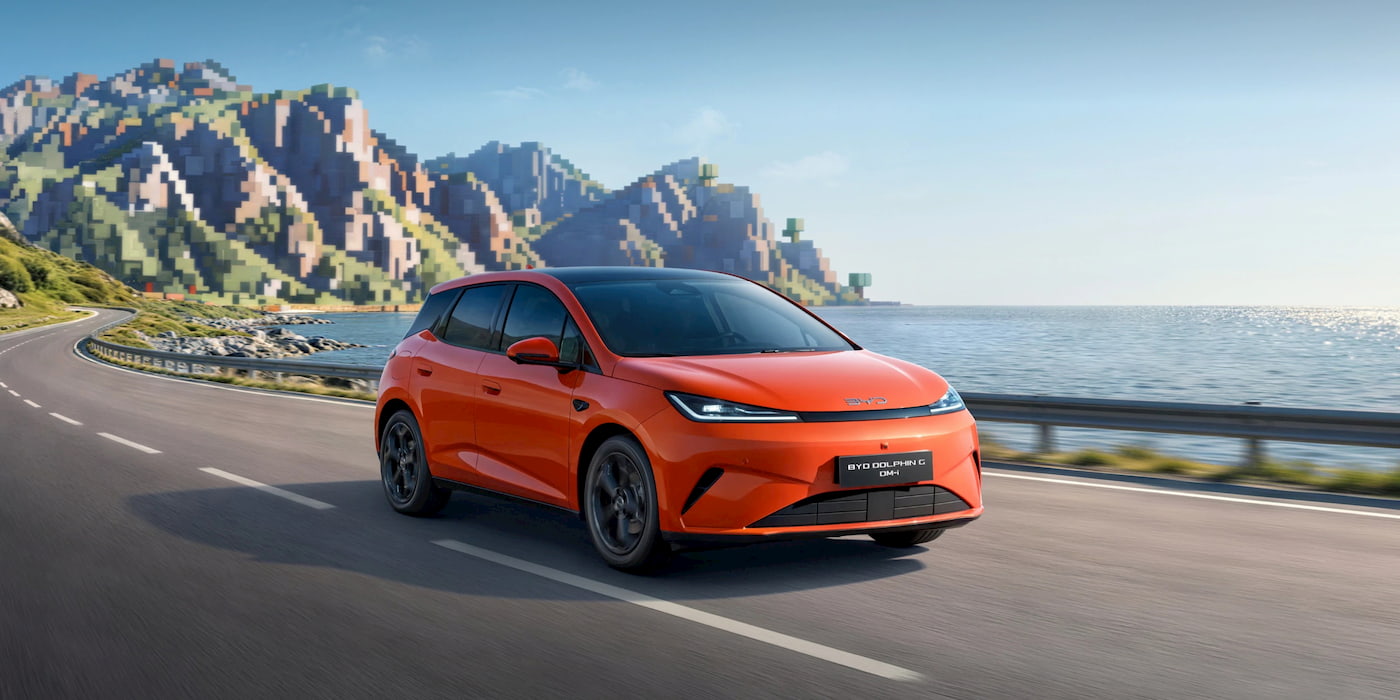
BYD-Dolphin-G
BYD Dolphin Photo: BYD

What the number does and does not say

The supplied data supports a clear conclusion about sales momentum, but it does not by itself explain every driver behind the growth. It does not specify which automakers gained the most share, how battery electric and plug-in hybrid models split the total, or how pricing evolved through May.

Still, the topline is meaningful because scale often precedes explanation in market transitions. When a sector reaches high-volume monthly performance, the balance of discussion shifts. The question is no longer whether adoption exists. It becomes which regions are accelerating faster, which companies can meet demand, and where infrastructure still lags behind the vehicle fleet.

Europe’s stronger pace also matters politically. Faster sales growth can reinforce the case made by governments and regulators that EV policy is reshaping the market rather than merely subsidizing an experiment. In turn, that can affect how durable future support measures prove to be.

The market is still sorting its winners

Strong global sales do not mean the competitive picture is settled. High demand can still coexist with margin pressure, uneven regional performance, and shifting brand leadership. But the May result indicates that the total addressable market is expanding in a way that leaves more room for scale players to strengthen their position.

For suppliers and infrastructure operators, the 7.5 million year-to-date figure is just as important as the single-month total. It shows that demand is compounding early in the year rather than waiting for a late surge. That can influence capital planning and timing for companies positioned around EV growth rather than vehicle assembly itself.

A transition measured in millions

The electric vehicle story increasingly has to be read in large numbers. One million-unit months were once seen as proof of concept. A 1.8 million-unit month suggests something more durable: a transportation transition that is now unfolding through sustained industrial volume.

Europe’s role in that shift may prove especially consequential if the region continues to outpace expectations. When a major market accelerates, it can alter manufacturing priorities, supply-chain flows, and competitive rankings well beyond its own borders.

For now, the clearest takeaway from the May data is that EV adoption remained strong globally and that Europe is helping drive the pace. In a market defined by scale, that combination is the signal to watch.

This article is based on reporting by Electrek. Read the original article.

Originally published on electrek.co