The Navy is trying to shrink biothreat detection from a lab problem to a field decision
The US Naval Research Laboratory has developed portable devices designed to identify unknown biological threats in the field using RNA and DNA analysis, with results in under 30 minutes. If the system performs as intended outside controlled settings, it could change how military units respond to suspected biological attacks by moving detection much closer to the point of exposure.
The promise is straightforward but significant. Biological threats have long been among the hardest hazards to identify quickly. Unlike a conventional explosion or a radiological release, a dangerous biological agent can spread before responders know what they are facing. The new Navy effort is aimed at compressing that uncertainty window, giving personnel a way to classify threats faster and with less dependence on fixed laboratory infrastructure.
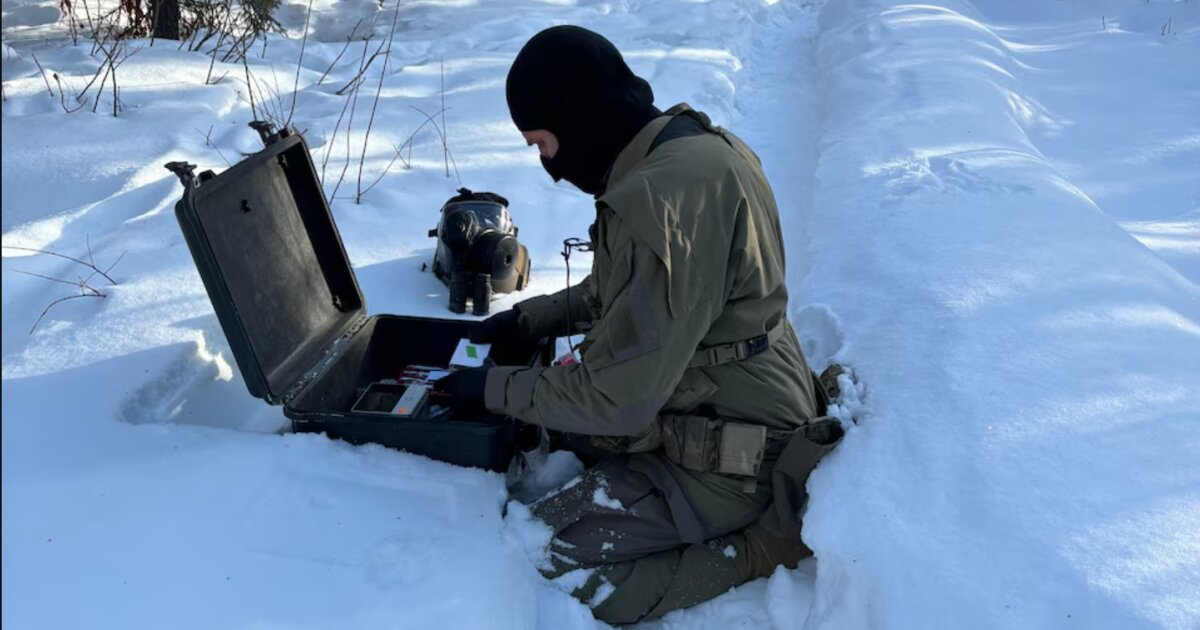
According to the source report, the equipment is intended for field use and is designed to be operated by relatively untrained soldiers. That combination matters as much as the speed claim. Military technology often fails to scale when it depends on fragile workflows, specialized staff, or climate-controlled support systems. A biothreat detector that is genuinely portable and usable by nonexperts would address several longstanding barriers at once.
Why biological detection has been so difficult
The challenge of identifying biological weapons is partly technical and partly logistical. The source text contrasts biothreats with other hazard classes that are more readily spotted. Nuclear detonations are obvious. Radiological agents can be detected with dedicated counters. Chemical agents can often be identified with reagents, electronic sensors, or specialized detection materials. Biological agents are different because the dangerous material is often microscopic, diverse, and not always easy to distinguish from harmless environmental samples without deeper analysis.
Historically, that has meant shipping samples to laboratories, then waiting while specialists conduct complex testing. The source describes earlier military mobile systems as large, vehicle-mounted shelters that required substantial power, climate control, and trained personnel. It also notes that older identification methods were limited to pre-programmed libraries covering only a small number of pathogens. In practical terms, that meant response time could stretch out while commanders and frontline personnel operated under uncertainty.
That lag is not just inconvenient. In a real-world incident, time lost to identification can shape decisions about isolation, protective equipment, medical countermeasures, evacuation, and decontamination. It can also complicate attribution, especially if a threat has been modified or engineered in ways that make it harder to match against a narrow reference set.

What the new system is supposed to do differently
The Navy’s approach is built around RNA and DNA sequence analysis rather than a more limited lookup against a short list of expected agents. That is important because the source specifically says the devices are intended to identify unknown biological threats, including bioengineered ones. In other words, the goal is not simply to confirm whether one of a few familiar pathogens is present. It is to improve the odds of detecting something unusual, altered, or previously unrecognized in the field.
The under-30-minute turnaround is another major claim. In military and emergency settings, a half-hour result can support immediate operational decisions. It is fast enough to influence whether an area is secured, whether additional personnel are exposed, and how widely a response needs to spread. It also compares favorably with the historical model described in the source, where samples were sent away and personnel could do little but wait.
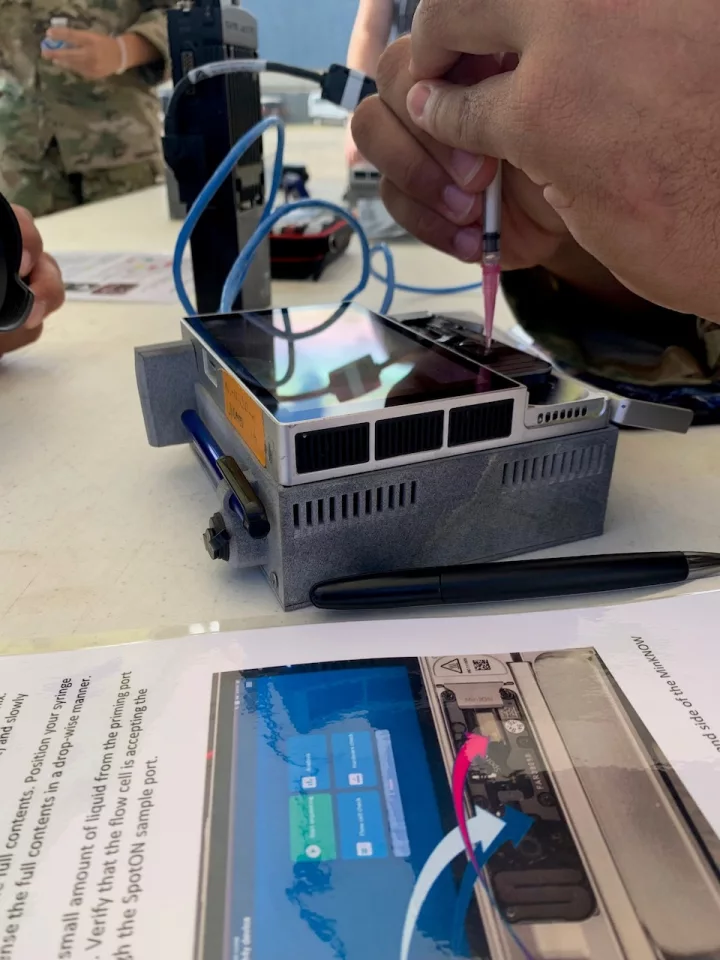
Portability is the other core feature. The report frames the devices as equipment meant for field deployment rather than fixed lab use. That suggests a system designed around mobility, simpler handling, and faster setup. The source also emphasizes that the tools are intended for use by relatively untrained soldiers, pointing to a design philosophy that prioritizes ease of operation over laboratory-style complexity.
Why engineered threats change the stakes
One reason this development stands out is the explicit reference to bioengineered threats. As biotechnology tools become more accessible and more capable, defense planners increasingly have to consider hazards that may not match older assumptions about known pathogens. A detection system built only for a narrow library of expected agents may struggle in that environment. A system that can work from genetic material and help identify a wider range of threats addresses a more modern risk profile.
That does not mean the problem is solved. Field genetics is demanding work, and military devices have to perform under heat, dust, stress, and incomplete sample conditions. But the strategic logic is clear: the faster a force can identify an unfamiliar biological signal, the better its chances of limiting casualties and preventing confusion from becoming a second-order threat.
The source’s emphasis on unknown and bioengineered agents also reflects a broader shift in biodefense thinking. Preparedness is no longer just about stockpiling responses to a few familiar organisms. It is about building adaptable detection and decision systems that can respond when the threat does not present itself in a textbook form.

A practical innovation if the field performance holds up
The Navy’s portable DNA and RNA testing effort is notable because it targets the practical bottlenecks that have historically slowed biological defense: size, expertise, power demands, and the narrowness of prior detection libraries. A system that can be carried into the field, used by less specialized personnel, and return answers in under half an hour would represent a meaningful operational shift.
Its importance extends beyond the military as well. Any improvement in rapid biological identification can inform how governments think about border screening, incident response, public health coordination, and resilience against deliberate or accidental biological releases. The immediate use case may be battlefield or expeditionary defense, but the underlying capability speaks to a wider need for faster, more flexible biosurveillance.
For now, the core takeaway is that the Naval Research Laboratory is pushing biothreat detection toward a more deployable model. If that model proves robust outside the lab, it could reduce one of the oldest weaknesses in biological defense: the long, dangerous period between suspecting a threat and knowing what it is.
This article is based on reporting by New Atlas. Read the original article.
Originally published on newatlas.com